
Rootkits and Bootkits
Reversing Modern Malware and Next Generation Threats
No Starch Press · Print & ebook · May 3, 2019
We earn from qualifying purchases.
- Who it’s for
- Trace bootkit evolution while examining Windows boot security and malware analysis techniques.
- Themes
- Malware analysis, Windows boot and UEFI security, Reverse engineering and forensics
- Genres
- Viruses & Malware, Computer Forensics, Windows Desktop
Nearest books
Matched by what the books are about, then ordered by what their readers also loved.
 Practical Binary AnalysisDennis Andriesse64% matchShares Viruses & Malware
 Social EngineeringChristopher Hadnagy51% match
 Scam Me If You CanFrank Abagnale41% match
 The Linux Command Line, 3rd EditionWilliam Shotts44% match
 Practical Malware AnalysisMichael Sikorski, Andrew Honig70% matchShares Viruses & Malware
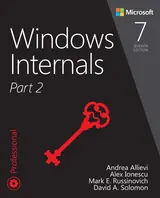 Windows Internals, Part 2Mark E. Russinovich, Andrea Allievi62% matchShares Windows Desktop
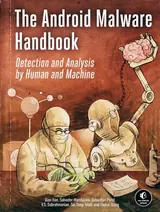 The Android Malware HandbookQian Han, Salvador Mandujano61% matchShares Viruses & Malware
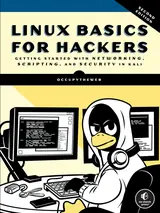 Linux Basics for Hackers, 2nd EditionOccupyTheWeb58% match
For younger readers: The CS Detective, Science Comics: Computers
Start with three books, and this one can be the first.
Members get a new edition every morning: a route out from their books to essays, research and talks, with the reason for each.
Start with this bookAbout this book
Rootkits and Bootkits will teach you how to understand and counter sophisticated, advanced threats buried deep in a machine’s boot process or UEFI firmware. With the aid of numerous case studies and professional research from three of the world’s leading security experts, you’ll trace malware development over time from rootkits like TDL3 to present-day UEFI implants and examine how they infect a system, persist through reboot, and evade security software.
Continue reading
As you inspect and dissect real malware, you’ll learn: • How Windows boots—including 32-bit, 64-bit, and UEFI mode—and where to find vulnerabilities • The details of boot process security mechanisms like Secure Boot, including an overview of Virtual Secure Mode (VSM) and Device Guard • Reverse engineering and forensic techniques for analyzing real malware, including bootkits like Rovnix/Carberp, Gapz, TDL4, and the infamous rootkits TDL3 and Festi • How to perform static and dynamic analysis using emulation and tools like Bochs and IDA Pro • How to better understand the delivery stage of threats against BIOS and UEFI firmware in order to create detection capabilities • How to use virtualization tools like VMware Workstation to reverse engineer bootkits and the Intel Chipsec tool to dig into forensic analysis Cybercrime syndicates and malicious actors will continue to write ever more persistent and covert attacks, but the game is not lost. Explore the cutting edge of malware analysis with Rootkits and Bootkits. Covers boot processes for Windows 32-bit and 64-bit operating systems.
Windows Boot Forensics
Trace bootkit evolution while examining Windows boot security and malware analysis techniques.
Come here for
- Case studies tracing malware from TDL3 to present-day UEFI implants
- Forensic analysis of Rovnix/Carberp, Gapz, TDL4, TDL3, and Festi
Expect
- Windows boot paths across 32-bit, 64-bit, and UEFI modes
- Static and dynamic analysis using emulation, Bochs, and IDA Pro
Where it sits
| Viruses & Malware | 99% |
|---|---|
| Computer Forensics | 50% |
| Windows Desktop | 36% |
Percentages are BookFrontier’s reading of the book.
Publisher categories
- Viruses & Malware
- Windows Desktop
- Computer Security
- Authors
- Alex Matrosov, Eugene Rodionov, Sergey Bratus
- Publisher
- No Starch Press
- Published
- May 3, 2019
- Format
- Print & ebook
- Theme
- Malware analysis · Windows boot and UEFI security · Reverse engineering and forensics
- Reading lane
- Viruses & Malware