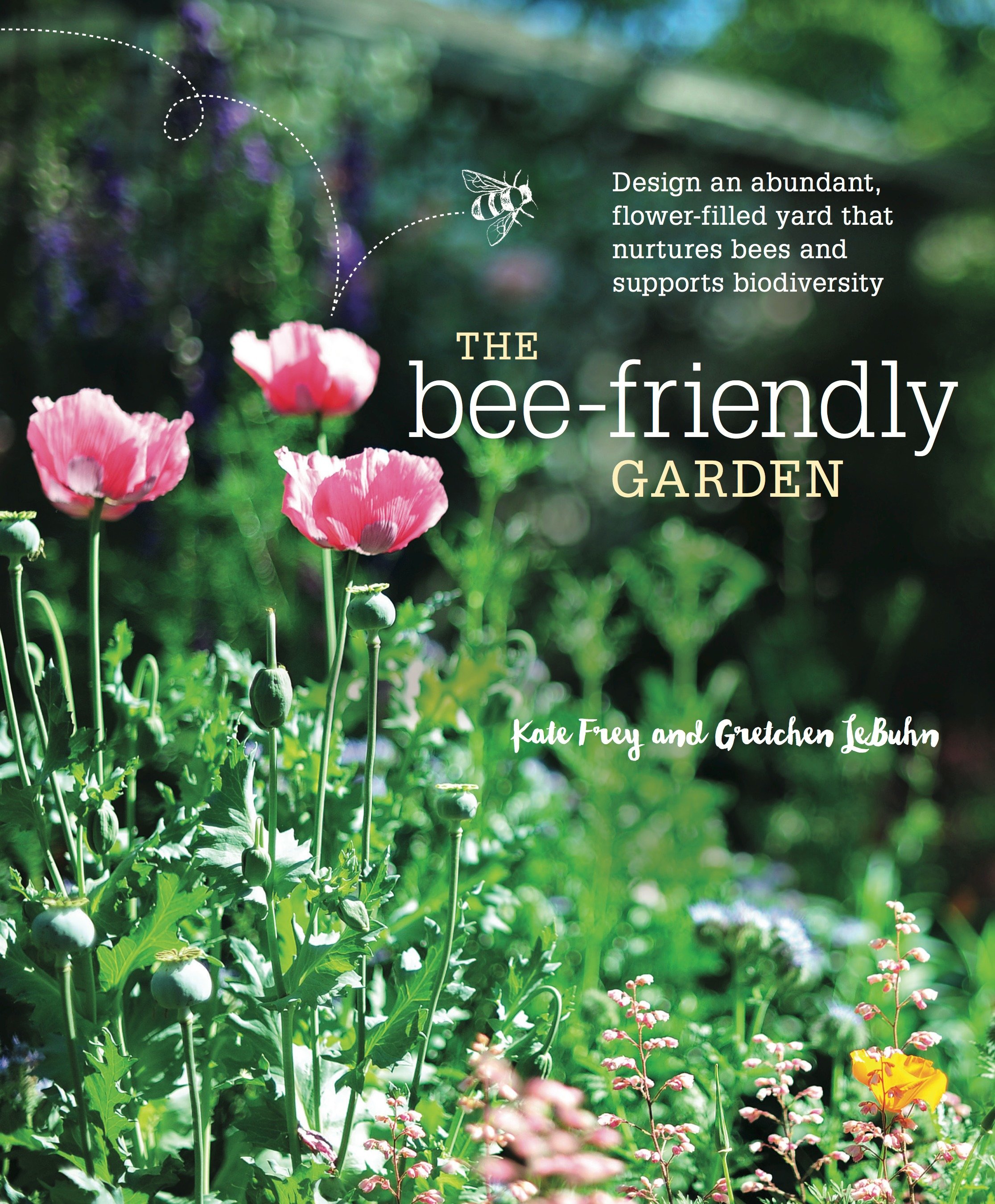
The Bee-friendly Garden
Design an Abundant, Flower-filled Yard That Nurtures Bees and Supports Biodiversity
Clarkson Potter/Ten Speed · Print & ebook · February 9, 2016
For every gardener who cares about the planet, this guide to designing a bee garden helps you create a stunningly colorful, vibrant, healthy habitat that attracts both honeybees and native bees.
We earn from qualifying purchases.
- Who it’s for
- A practical, flower-forward guide to making gardens welcoming for honeybees and native bees.
- Themes
- Bee-friendly gardening, Biodiversity and habitat, Sustainable gardening
- Genres
- Garden Design, Insects & Spiders, Insect Biology
Nearest books
Matched by what the books are about, then ordered by what their readers also loved. Most of these share its genres: Insects & Spiders and Insect Biology.
 Everyday Watercolor FlowersJenna Rainey49% match
 The Little Book of BeesHilary Kearney73% match
 For the BeesTara Dawn Chapman66% match
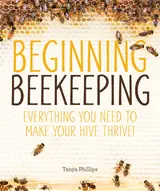 Beginning BeekeepingTanya Phillips64% match
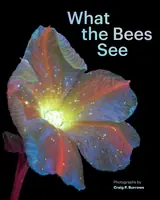 What the Bees SeeCraig P. Burrows63% match
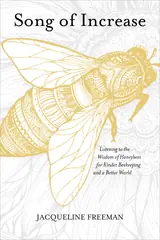 Song of IncreaseJacqueline Freeman63% match
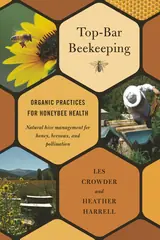 Top-bar BeekeepingLes Crowder, Heather Harrell61% match
 Beekeeping for DummiesHowland Blackiston60% match
For younger readers: My Pollinator Garden, The Bee Book, Nature Stories: Little Bee-discover an Amazing Story From the Natural World
Start with three books, and this one can be the first.
Members get a new edition every morning: a route out from their books to essays, research and talks, with the reason for each.
Start with this bookAbout this book
For every gardener who cares about the planet, this guide to designing a bee garden helps you create a stunningly colorful, vibrant, healthy habitat that attracts both honeybees and native bees. In The Bee-Friendly Garden, award-winning garden designer Kate Frey and bee expert Gretchen LeBuhn provide everything you need to know to create a dazzling garden that helps both the threatened honeybee and our own native bees.
Continue reading
No matter how small or large your space, and regardless of whether you live in the city, suburbs, or country, just a few simple changes to your garden can fight the effects of colony collapse disorder and the worldwide decline in bee population that threatens our global food chain. There are many personal benefits of having a bee garden as well! Bee gardens: · contain a gorgeous variety of flowers · bloom continuously throughout the seasons · are organic, pesticide-free, and ecologically sustainable · develop healthy and fertile soil · attract birds, butterflies, and other beneficial insects · increase the quantity of your fruit and vegetable harvest · improve the quality, flavor, and size of your produce Illustrated with spectacular full-color photos, The Bee-Friendly Garden debunks myths about bees, explains seasonal flower progression, and provides detailed instructions for nest boxes and water features. From “super blooming” flowers to regional plant lists and plants to avoid, The Bee-Friendly Garden is an essential tool for every gardener who cares about the planet and wants to make their yard a welcoming habitat for nature’s most productive pollinator.
Flowers With Purpose
A practical, flower-forward guide to making gardens welcoming for honeybees and native bees.
Come here for
- Seasonal blooms, regional plant lists, and a more pollinator-friendly yard
- Garden design where ecological care meets color and harvest
Expect
- Full-color photos, bee basics, and guidance on seasonal flower progression
- Instructions for nest boxes and water features, plus plants to avoid
Where it sits
| Insects & Spiders | 55% |
|---|---|
| Garden Design | 41% |
| Insect Biology | 25% |
Percentages are BookFrontier’s reading of the book.
Publisher categories
- Wildflowers
- Garden Design
- Beekeeping
- Authors
- Kate Frey, Gretchen LeBuhn
- Publisher
- Clarkson Potter/Ten Speed
- Published
- February 9, 2016
- Format
- Print & ebook
- Theme
- Bee-friendly gardening · Biodiversity and habitat · Sustainable gardening
- Reading lane
- Wildflowers