
Psychodynamic Psychopharmacology
Caring for the Treatment-resistant Patient
American Psychiatric Association Publishing · Print & ebook · February 10, 2022
The troubling increase in treatment resistance in psychiatry has many culprits: the rise of biomedical psychiatry and corresponding sidelining of psychodynamic and psychosocial factors; the increased emphasis on treating the symptoms rather than the person; and a greater focus on the electronic medical record rather than the patient, all of which point to a breakdown in the person-centered prescriber–patient relationship.
We earn from qualifying purchases.
- Who it’s for
- Connects prescribing evidence with psychodynamic insight into medication resistance and patient-prescriber dynamics.
- Themes
- Pharmacological treatment resistance, Psychosocial aspects of prescribing, Patient-prescriber relationship
- Genres
- Psychiatric Medications
Nearest books
Matched by what the books are about, then ordered by what their readers also loved.
 On Becoming a PersonCarl Rogers56% match
 Psychiatric Drug WithdrawalPeter R. Breggin64% matchShares Psychiatric Medications
 UnshrunkLaura Delano62% match
 Blue DreamsLauren Slater58% matchShares Psychiatric Medications
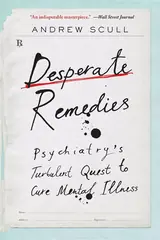 Desperate RemediesAndrew Scull58% match
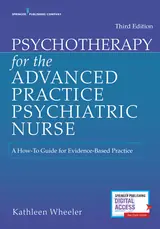 Psychotherapy for the Advanced Practice Psychiatric NurseKathleen Wheeler58% matchShares Psychiatric Medications
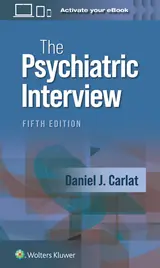 The Psychiatric InterviewDANIEL J. CARLAT57% match
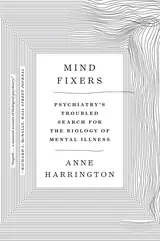 Mind FixersAnne Harrington57% match
Start with three books, and this one can be the first.
Members get a new edition every morning: a route out from their books to essays, research and talks, with the reason for each.
Start with this bookAbout this book
The troubling increase in treatment resistance in psychiatry has many culprits: the rise of biomedical psychiatry and corresponding sidelining of psychodynamic and psychosocial factors; the increased emphasis on treating the symptoms rather than the person; and a greater focus on the electronic medical record rather than the patient, all of which point to a breakdown in the person-centered prescriber–patient relationship.
Continue reading
Psychodynamic Psychopharmacology illuminates a new path forward. It examines the psychological and interpersonal mechanisms of pharmacological treatment resistance, integrating research on evidence-based prescribing processes with psychodynamic insights and skills to enhance treatment outcomes for patients who are difficult to treat. The first part of the book explores the evidence base that guides how, rather than simply what, to prescribe. It describes precisely what psychodynamic psychopharmacology is and why its emphasis on combining the often-neglected psychosocial aspects of medication with biomedical considerations provides a more optimized approach to addressing treatment resistance. Part II delves into the psychodynamics that contribute to pharmacological treatment resistance, both when patients' ambivalence about their illness, the medication itself, or their prescriber manifests in nonadherence and when medications support a negative identity or are used as replacements for healthy capacities. Readers will gain basic skills for addressing the psychological and interpersonal dynamics that underpin both scenarios and will be better positioned to ameliorate interferences with the healthy use of medications. The final section of the book offers detailed technical recommendations for addressing pharmacological treatment resistance. It tackles issues that include countertransference-driven irrational prescribing; primitive dynamics, such as splitting and projective identification; and the overlap between psychopharmacological treatment resistance and the dynamics of treatment nonadherence and nonresponse in integrated and collaborative medical care settings. By putting the individual patient back at the center of the therapeutic equation, psychodynamic psychopharmacology, as outlined in this book, offers a model that moves beyond compliance and emphasizes instead the alliance between patient and prescriber. In doing so, it empowers patients to become more active contributors in their own recovery.
Prescribing Beyond Symptoms
Connects prescribing evidence with psychodynamic insight into medication resistance and patient-prescriber dynamics.
Come here for
- Evidence on how, not only what, to prescribe
- Psychodynamics of nonadherence and treatment resistance
Expect
- Basic skills for addressing psychological and interpersonal dynamics
- Technical recommendations on countertransference and collaborative care
Where it sits
| Psychiatric Medications | 100% |
|---|
Percentages are BookFrontier’s reading of the book.
Publisher categories
- Psychiatry
- Psychiatric Medications
- Authors
- David Mintz
- Publisher
- American Psychiatric Association Publishing
- Published
- February 10, 2022
- Format
- Print & ebook
- Theme
- Pharmacological treatment resistance · Psychosocial aspects of prescribing · Patient-prescriber relationship
- Reading lane
- Psychiatry