
The Biochar Handbook
A Practical Guide to Making and Using Bioactivated Charcoal
Rizzoli · Print & ebook · June 27, 2024
With extensive research, real-world examples, and hands-on applications, this go-to guide offers a comprehensive look at the principles and practices of biochar—and all of its world-changing uses.
We earn from qualifying purchases.
- Who it’s for
- Explore biochar’s history, how to make it, and applications in soil, compost, and forest management.
- Themes
- Making and using biochar, Soil and ecosystem restoration, Reducing reliance on fossil fuels
- Genres
- Soil Science, Sustainable Agriculture, Organic Gardening
Nearest books
Matched by what the books are about, then ordered by what their readers also loved. Most of these share its genres: Soil Science, Sustainable Agriculture and Organic Gardening.
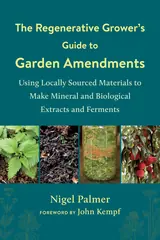 The Regenerative Grower's Guide to Garden AmendmentsNigel Palmer55% match
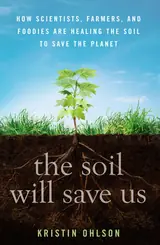 The Soil Will Save USKristin Ohlson54% match
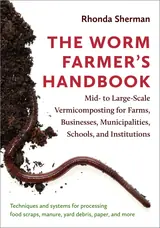 The Worm Farmer's HandbookRhonda Sherman53% match
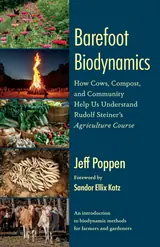 Barefoot BiodynamicsJeff Poppen53% match
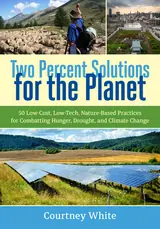 Two Percent Solutions for the PlanetCourtney White52% match
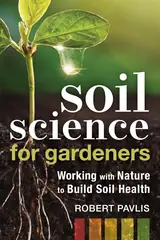 Soil Science for GardenersRobert Pavlis52% match
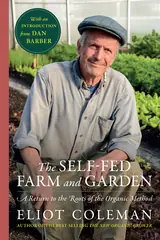 The Self-fed Farm and GardenEliot Coleman51% match
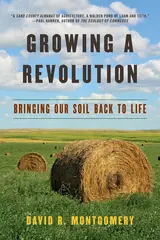 Growing a RevolutionDavid R. Montgomery50% match
For younger readers: The Handbook of Forgotten Skills, Buried Sunlight: How Fossil Fuels Have Changed the Earth, Survivor Kid
Start with three books, and this one can be the first.
Members get a new edition every morning: a route out from their books to essays, research and talks, with the reason for each.
Start with this bookAbout this book
With extensive research, real-world examples, and hands-on applications, this go-to guide offers a comprehensive look at the principles and practices of biochar—and all of its world-changing uses. Like many human discoveries, biochar has likely been invented, lost, and reinvented multiple times. It can be found in the rich terra preta soils of the Amazon and in the ancient “dark earths” dotting Africa, Asia, and Europe. However, biochar isn’t just an archeological curiosity.
Continue reading
In The Biochar Handbook, author Kelpie Wilson argues that the simple process of burning organic material in a low-oxygen, low-emission environment could be one of the most powerful tools we have to restore degraded soils and reduce our dependence on fossil fuels. In accessible and authoritative prose, Wilson demonstrates that biochar is a low-tech but effective means of reducing wildfire risks, restoring soil carbon, managing manure, weaning farms off of toxic inputs, and producing the best compost ever made. In this book, you’ll also find: - A pocket history of biochar - Step-by-step instructions on making biochar for yourself - Applications for soil water retention, pest deterrence, compost enhancement, and more - Inspiring examples of ecosystem restoration and improved forest management - Low-cost recipes, including Cultured Biochar and Sustainable Potting Soil Wilson makes a compelling case that biochar is both simple to make and a potent solution to a host of knotty problems, both global and close to home. Whether you’re a gardener, homesteader, rancher, commercial farmer, permaculturalist, or forest manager, this book will show you how to put biochar to work, making you and your community more resilient as a result.
Making Biochar
Explore biochar’s history, how to make it, and applications in soil, compost, and forest management.
Come here for
- Step-by-step instructions for making biochar
- Uses for soil water retention, pest deterrence, and compost enhancement
Expect
- Low-cost recipes, including Cultured Biochar and Sustainable Potting Soil
- Examples of ecosystem restoration and improved forest management
Where it sits
| Soil Science | 37% |
|---|---|
| Sustainable Agriculture | 35% |
| Organic Gardening | 28% |
Percentages are BookFrontier’s reading of the book.
Publisher categories
- Sustainable Living
- Biotech
- Forestry
- Authors
- Kelpie Wilson
- Publisher
- Rizzoli
- Published
- June 27, 2024
- Format
- Print & ebook
- Theme
- Making and using biochar · Soil and ecosystem restoration · Reducing reliance on fossil fuels
- Reading lane
- Sustainable Living