
Black Hat Python, 2nd Edition
Python Programming for Hackers and Pentesters
No Starch Press · Print & ebook · April 14, 2021
Fully-updated for Python 3, the second edition of this worldwide bestseller (over 100,000 copies sold) explores the stealthier side of programming and brings you all new strategies for your hacking projects.
We earn from qualifying purchases.
- Who it’s for
- A hands-on look at Python for offensive security, from network sniffers to memory forensics.
- Themes
- Python for offensive security, Hacking and malware tools, Offensive memory forensics
- Genres
- Network Security, Python Programming, Viruses & Malware
Nearest books
Matched by what the books are about, then ordered by what their readers also loved. Most of these share its genre: Python Programming.
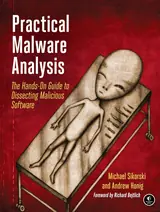 Practical Malware AnalysisMichael Sikorski, Andrew Honig56% matchAlso shares Network Security and Viruses & Malware
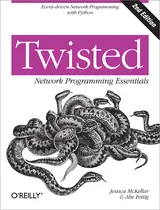 Twisted Network Programming EssentialsJessica McKellar, Abe Fettig49% match
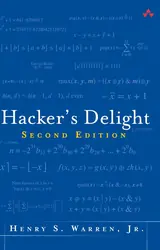 Hacker's DelightHenry S. Warren60% match
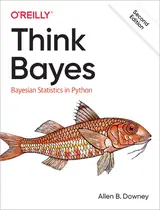 Think BayesAllen Downey49% match
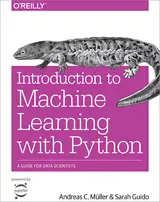 Introduction to Machine Learning With PythonAndreas C. Müller, Sarah Guido47% match
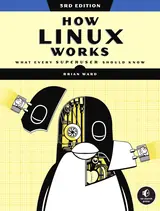 How Linux Works, 3rd EditionBrian Ward48% match
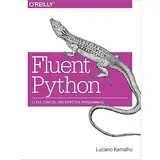 Fluent PythonLuciano Ramalho65% match
For younger readers: Python for Kids, Python for Kids, 2nd Edition, Adventures in Python
Start with three books, and this one can be the first.
Members get a new edition every morning: a route out from their books to essays, research and talks, with the reason for each.
Start with this bookAbout this book
Fully-updated for Python 3, the second edition of this worldwide bestseller (over 100,000 copies sold) explores the stealthier side of programming and brings you all new strategies for your hacking projects. When it comes to creating powerful and effective hacking tools, Python is the language of choice for most security analysts.
Continue reading
In this second edition of the bestselling Black Hat Python, you’ll explore the darker side of Python’s capabilities: everything from writing network sniffers, stealing email credentials, and bruteforcing directories to crafting mutation fuzzers, investigating virtual machines, and creating stealthy trojans. All of the code in this edition has been updated to Python 3.x. You’ll also find new coverage of bit shifting, code hygiene, and offensive forensics with the Volatility Framework as well as expanded explanations of the Python libraries ctypes, struct, lxml, and BeautifulSoup, and offensive hacking strategies like splitting bytes, leveraging computer vision libraries, and scraping websites. You’ll even learn how to: - Create a trojan command-and-control server using GitHub - Detect sandboxing and automate common malware tasks like keylogging and screenshotting - Extend the Burp Suite web-hacking tool - Escalate Windows privileges with creative process control - Use offensive memory forensics tricks to retrieve password hashes and find vulnerabilities on a virtual machine - Abuse Windows COM automation - Exfiltrate data from a network undetected When it comes to offensive security, you need to be able to create powerful tools on the fly. Learn how with Black Hat Python.
Python, Offensively
A hands-on look at Python for offensive security, from network sniffers to memory forensics.
Come here for
- Build tools for security testing with Python 3
- Explore malware tasks, web hacking, and virtual machine forensics
Expect
- Concrete techniques across Python libraries and offensive security
- A practical, tool-focused view of programming’s less polite uses
Where it sits
| Viruses & Malware | 81% |
|---|---|
| Python Programming | 61% |
| Network Security | 29% |
Percentages are BookFrontier’s reading of the book.
Publisher categories
- Network Security
- Python Programming
- Computer Security
- Authors
- Justin Seitz, Tim Arnold
- Publisher
- No Starch Press
- Published
- April 14, 2021
- Format
- Print & ebook
- Theme
- Python for offensive security · Hacking and malware tools · Offensive memory forensics
- Reading lane
- Network Security