
Designing Electronics That Work
Real-world Hardware Development
No Starch Press · Print & ebook · September 16, 2025
How real engineers build electronics—one working piece at a time.
We earn from qualifying purchases.
- Who it’s for
- Practical guidance for turning circuit knowledge into working hardware, from requirements to troubleshooting.
- Themes
- Practical electronics design, Hardware debugging and troubleshooting, Manufacturing, compliance, and cost
- Pacing
- Steady
Nearest books
Matched by what the books are about, then ordered by what their readers also loved. Most of these share its genre: Circuit Design.
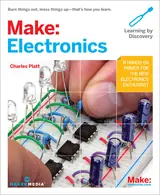 Make: ElectronicsCharles Platt67% match
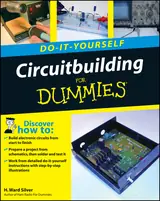 Circuitbuilding Do-it-yourself for DummiesH. Ward Silver67% match
 Practical Electronics for Inventors, Fourth EditionPaul Scherz, Simon Monk63% match
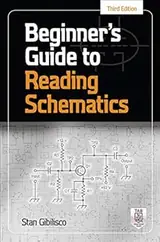 Beginner's Guide to Reading Schematics, Third EditionStan Gibilisco62% match
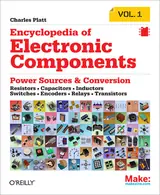 Encyclopedia of Electronic Components Volume 1Charles Platt61% match
 Make: Analog SynthesizersRay Wilson59% match
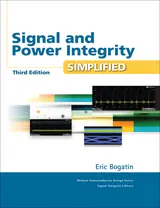 Signal and Power Integrity - SimplifiedEric Bogatin59% matchAlso shares Technology
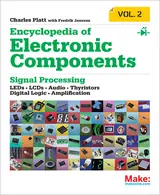 Encyclopedia of Electronic Components Volume 2Charles Platt58% match
For younger readers: Easy Electronics, Electronics for Kids for Dummies, Electronics for Kids
Start with three books, and this one can be the first.
Members get a new edition every morning: a route out from their books to essays, research and talks, with the reason for each.
Start with this bookAbout this book
How real engineers build electronics—one working piece at a time. If you’ve ever had a board fail on power-up, spent hours debugging a layout that “should work,” or run into a supplier problem just before a deadline—you already know this isn’t just about theory. It’s about judgment, decisions, and real-world constraints. Designing Electronics That Work is a guide to all the practical things you won’t find in a typical electronics textbook.
Continue reading
It’s written for people who already know a little—maybe a lot—about circuits, but want to move faster, make fewer mistakes, and ship working hardware with more confidence. You’ll learn how to: - Define and prioritize requirements so you’re building the right thing, not just the clever thing - Design schematics and layouts to make debugging easier - Plan for manufacturability, compliance, and cost from day one - Build a lab that helps you work faster, without spending a fortune - Troubleshoot problems methodically, even when nothing’s making sense Hunter Scott has designed electronics for medical devices, RF systems, startups, and art installations. This book reflects what he’s learned, not as theory, but as practice. You won’t find chapter-length explanations of what a capacitor is. You will find answers to questions like: Which capacitor should I actually buy? What if the one I spec’d is out of stock? How do I avoid wasting time and money? Whether you’re a hobbyist moving beyond Arduino, a new grad learning on the job, or an experienced engineer looking to streamline your process—this book will help you build smarter and avoid problems before they start.
Working Hardware
Practical guidance for turning circuit knowledge into working hardware, from requirements to troubleshooting.
Come here for
- Prioritizing requirements and making schematics easier to debug
- Planning for manufacturability, compliance, and cost
Expect
- Advice on building a useful lab without spending a fortune
- Methodical troubleshooting and practical component decisions
Where it sits
| Circuit Design | 50% |
|---|---|
| Manufacturing | 32% |
| Technology | 27% |
Percentages are BookFrontier’s reading of the book.
Publisher categories
- Industrial Design
- Circuit Design
- Manufacturing
- Authors
- Hunter Scott
- Publisher
- No Starch Press
- Published
- September 16, 2025
- Format
- Print & ebook
- Theme
- Practical electronics design · Hardware debugging and troubleshooting · Manufacturing, compliance, and cost
- Reading lane
- Industrial Design