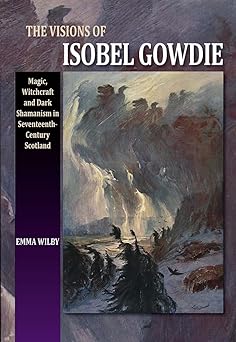
The Visions of Isobel Gowdie
Magic, Witchcraft and Dark Shamanism in Seventeenth-century Scotland
Liverpool University Press · Print & ebook · June 4, 2010
The confessions of Isobel Gowdie are widely recognised as the most extraordinary on record in Britain.
We earn from qualifying purchases.
- Who it’s for
- An inquiry into Gowdie’s confessions, their religious context, and the voice behind them.
- Genres
- Witchcraft, 17th-Century History, Wicca
- Published
- Liverpool University Press, June 4, 2010
Nearest books
Matched by what the books are about, then ordered by what their readers also loved.
 The Discoverie of WitchcraftReginald Scot70% matchShares Witchcraft
 WitchfindersMalcolm Gaskill61% matchShares Witchcraft and 17th-Century History
 Discerning SpiritsNancy Mandeville Caciola58% match
 The Ruin of All WitchesMalcolm Gaskill, Kristin Atherton58% matchShares Witchcraft
 Scotland's Forgotten PastAlistair Moffat57% match
 Killing the WitchesBill O'Reilly, Martin Dugard56% match
 Escaping SalemRichard Godbeer55% matchShares Witchcraft
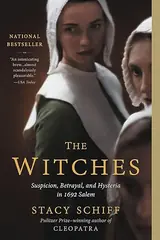 The WitchesStacy Schiff55% match
For younger readers: Witch Child, Witches, Young Hag and the Witches’ Quest
Start with three books, and this one can be the first.
Members get a new edition every morning: a route out from their books to essays, research and talks, with the reason for each.
Start with this bookAbout this book
The confessions of Isobel Gowdie are widely recognised as the most extraordinary on record in Britain. Their descriptive power and vivid imagery have attracted considerable interest on both academic and popular levels.
Continue reading
Among historians, the confessions are celebrated for providing a unique insight into the way fairy beliefs and witch beliefs interacted in the early modern mind; more controversially, they are also cited as evidence for the existence of Shamanistic visionary traditions, of pre-Christian origin, in Scotland in this period. On a popular level the confessions of Isobel Gowdie have, above any other British witch-trial records, influenced the formation of the ritual traditions of Wicca. The author's discovery of the original trial records (currently being authenticated by the National Archives of Scotland), deemed lost for nearly 200 years, provides a starting point for an interdisciplinary look at the confessions and the woman behind them. Using historical, psychological, comparative religious and anthropological perspectives this book sets out to separate the voice of Isobel Gowdie from that of her interrogators, and to determine the experiences and beliefs which may have generated her confessions. The book explores: How far did those accused of witchcraft self-consciously practice harmful magic? Did they really believe themselves to have made a Pact with an envisioned Devil? Did they ever participate in ecstatic cult rituals? The author argues that close analysis of Isobel's testimony supports the view that in seventeenth-century Britain popular spirituality was shaped by a deep interaction between Christian teachings and shamanistic visionary traditions, of pre-Christian origin. These findings confirm the value of witchcraft confessions as unique windows into the complexities of the early modern religious imagination. Read more
Isobel Gowdie’s Testimony
An inquiry into Gowdie’s confessions, their religious context, and the voice behind them.
Come here for
- The effort to distinguish Gowdie’s voice from her interrogators’
- The interaction of fairy beliefs and witch beliefs
Expect
- Historical perspectives on Gowdie’s testimony
- Questions about harmful magic in witchcraft accusations
Where it sits
| Witchcraft | 63% |
|---|---|
| 17th-Century History | 58% |
| Wicca | 31% |
Percentages are BookFrontier’s reading of the book.
Publisher categories
- British History
- Witchcraft
- Authors
- Emma Wilby
- Publisher
- Liverpool University Press
- Published
- June 4, 2010
- Format
- Print & ebook
- Reading lane
- British History