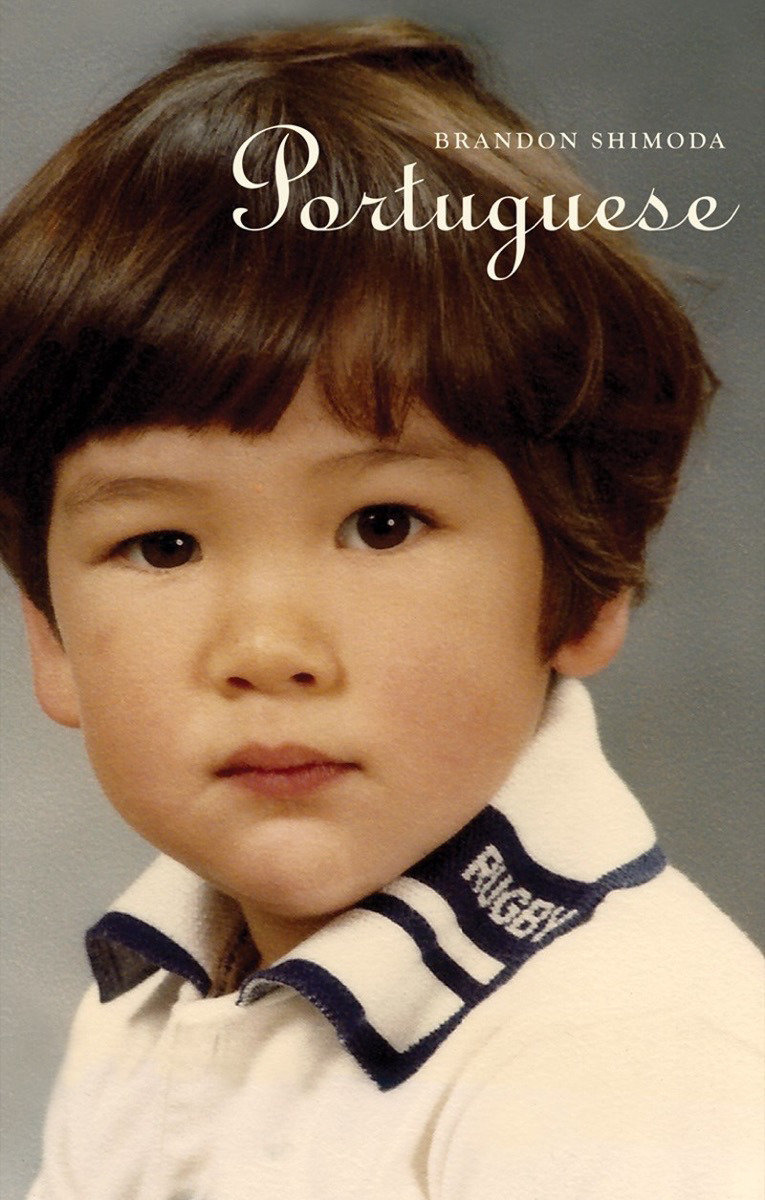
Portuguese
Poems
Zando · Print & ebook · February 26, 2013
The first book in a series of collaborations between Tin House and Octopus Books, Brandon Shimoda's Portuguese introduces a powerful new voice in American poetry.
We earn from qualifying purchases.
- Who it’s for
- Brandon Shimoda’s poems begin on Seattle buses and respond to passengers, painters, travel, and poetry itself.
- Themes
- Everyday encounters, Travel and restlessness, Identity and belonging
- Pacing
- Reflective
Nearest books
Matched by what the books are about, then ordered by what their readers also loved.
 Ocean of CloudsGarrett Hongo60% matchShares American Poetry, Asian American Poetry and Place Poetry
 Archive of DesireRobin Coste Lewis52% match
 Plantains and Our BecomingMelania Luisa Marte57% match
 Strange BeachOluwaseun Olayiwola57% match
 A Little Larger Than the Entire UniverseFernando Pessoa, Richard Zenith57% match
 Grand TourElisa Gonzalez56% matchShares American Poetry
 Homeland of My BodyRichard Blanco55% matchShares American Poetry
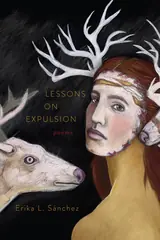 Lessons on ExpulsionErika L. Sánchez55% matchShares American Poetry
For younger readers: Bronx Masquerade, My Name Is Jorge, The Head of the Saint
Start with three books, and this one can be the first.
Members get a new edition every morning: a route out from their books to essays, research and talks, with the reason for each.
Start with this bookAbout this book
The first book in a series of collaborations between Tin House and Octopus Books, Brandon Shimoda's Portuguese introduces a powerful new voice in American poetry. The poems in Portuguese began while Brandon rode city buses around Seattle, and were inspired by his fellow passengers—their voices and their minds, their faces and their bodies, their exuberances and infirmities, and the ways in which they enlivened and darkened the days at once.
Continue reading
It was with and within these people that poetry seemed most alive. At the same time, they began as responses to the words and writings of visual artists, mostly painters, whom Brandon was reading while riding the bus, especially Etel Adnan, Eugène Delacroix, Alberto Giacometti, Paul Klee, and Joan Mitchell, all of whom appear in the book. It was with and within these people, also, that poetry seemed most alive. In both senses, Portuguese is a work of color. Portuguese owes also a debt to a visit to Beirut, Lebanon (2009); six months spent in a cabin in the woods of western Maine (2010-2011); and the Japanese poets Kazuko Shiraishi, Ryuichi Tamura and Minoru Yoshioka, and their translators. It was written primarily in Seattle, Washington; Beirut, Lebanon; and Weld, Maine, though revised in Albany, California; Beacon, New York; and St. Louis, Missouri. In that sense, Portuguese is a travelogue, as well as a work of restlessness. Throughout writing the poems that became Portuguese, the presiding struggle was with poetry itself—the form and its impulses—voice and mind, face and body, exuberance and infirmity—as well as with the act of writing. The book actually began in the early 1980s, while on the bus to elementary school in a small town in New England, when Brandon was taunted for being “Portuguese.” In that sense, Portuguese returns its author to this moment in which he felt challenged to become what he was being called, however falsely, and despite feeling confused, flushed and afraid. In that sense, Portuguese is a work of crossdressing. However, Portuguese is both more and less than all these things. It was—and is—a way to keep up with life in the form of drawing observations and feelings on paper, and to give form to the energy making up some part of memory. It is the fourth book in a series that began with The Alps, The Girl Without Arms, and O Bon. In this sense—and in all those above—it is an act of preservation, and therefore a work for his friends, his family, and for love.
Bus Passengers and Painters
Brandon Shimoda’s poems begin on Seattle buses and respond to passengers, painters, travel, and poetry itself.
Come here for
- Seattle bus passengers’ voices, faces, bodies, exuberances, and infirmities
- Poems responding to visual artists, including Etel Adnan and Paul Klee
Expect
- Everyday encounters alongside reflections on poetry’s form and impulses
- A travelogue shaped by Seattle, Beirut, and western Maine
Where it sits
| American Poetry | 66% |
|---|---|
| Asian American Poetry | 49% |
| Place Poetry | 36% |
Percentages are BookFrontier’s reading of the book.
Publisher categories
- Place Poetry
- Authors
- Brandon Shimoda
- Publisher
- Zando
- Published
- February 26, 2013
- Format
- Print & ebook
- Theme
- Everyday encounters · Travel and restlessness · Identity and belonging
- Reading lane
- Place Poetry