
Modern Orthodox Judaism
Studies and Perspectives
Urim Publications · Print & ebook · March 1, 2012
Arguing for a ''Fullness of Life,'' Rabbi Dr.
We earn from qualifying purchases.
- Who it’s for
- Rabbi Menachem-Martin Gordon examines how halakhah engages culture, individuality, ritual, and messianic thought.
- Genres
- Orthodox Judaism, Jewish Theology
- Published
- Urim Publications, March 1, 2012
Nearest books
Matched by what the books are about, then ordered by what their readers also loved. Most of these share its genre: Jewish Theology.
 The Rebbe, the Messiah, and the Scandal of Orthodox IndifferenceDavid Berger68% matchAlso shares Orthodox Judaism
 Judaism for EveryoneShmuley Boteach67% match
 The Aura of TorahLarry Tabick66% match
 Jewish WisdomJoseph Telushkin66% match
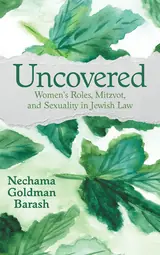 UncoveredNechama Goldman Barash66% match
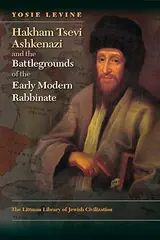 Hakham Tsevi Ashkenazi and the Battlegrounds of the Early Modern RabbinateYosie Levine66% match
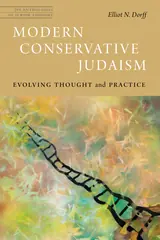 Modern Conservative JudaismRabbi Elliot N. Dorff, Rabbi Julie Schonfeld65% match
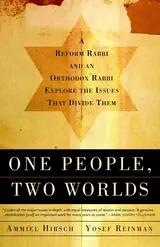 One People, Two WorldsAmmiel Hirsch, Yaakov Yosef Reinman65% match
For younger readers: Tough Questions Jews Ask 2/e
Start with three books, and this one can be the first.
Members get a new edition every morning: a route out from their books to essays, research and talks, with the reason for each.
Start with this bookAbout this book
Arguing for a ''Fullness of Life,'' Rabbi Dr. Gordon documents the case for Modern Orthodoxy -- a fostering of cultural breadth, yet true to the Halakhah. His incisive analysis of the issue of hukkot ha-goyyim, the Biblical injunction against identifying with alien mores, is captivating, taking note of Maharik's insistence that style of dress need not be distinctively Jewish, but respectably modest. Noted is Hazal's denial of a pietistic black as standard dress.
Continue reading
Aesthetic sensitivity is valued. Examined is the controversiality of the presumption that olam hazeh is but an antechamber to olam haba. Subject to a severe critique is Rav Dessler's denial of natural law and the efficacy of human initiative -- the facade of hishtadlut. The role of the sciences in a religious curriculum is accentuated. A definition of talmid hakham is probed, linked to a decisiveness in halakhic inquiry. Similarly explored is the status of torato umanuto -- the issue of the avrekh ha-kollel. The principle of be-khol derakhekha da'ehu is developed, encouraging a diversity of career options. Tzelem Elohim is posited as the uniqueness of each man's individuality in pursuit of self-realization. In a particularly provocative inquiry, Rabbi Dr. Gordon examines, with rich Talmudic reference, the possibility of a respectful though critical halakhic view of autonomous value choices, the respectability of a subjective quest for meaning. He explores the intriguing question of formalizing disaffection -- a forfeiture of Jewish identity -- raised in connection with the status of the Lost Ten Tribes. Noted is Hazal's reluctance toward exercising tokhehah (rebuke) -- resisting a rush to judgment. Incisively addressed is the issue of feminism in the contemporary milieu and its implications for a traditional halakhic/ideological perspective. A woman's entitlement to the fullest in self-realization is systematically argued. Birkat she-lo asani ishah is explored in a fascinating exposition. Childbirth is proposed as a woman's moment of brit. This volume also offers fascinating insight into the vying worlds of the Talmud and the Kabbalah, examining the contrasting Talmudic and Kabbalistic perceptions of two rituals -- mezuzah and netilat yadayim shel shaharit. Rabbi Dr. Gordon demonstrates, intriguingly, the Talmudic preclusion of any protective function assigned the mezuzah on the doorpost, as the Kabbalah would presume. He documents compellingly the Talmudic denial of any nightly death crisis resolved by the washing of the hands each morning, as the Kabbalah would claim. Popular belief in the demonic, reflected in particular Talmudic aggadot, is insightfully shown to have been denied halakhic significance by Hazal. Addressing the issue of messianism, Rabbi Dr. Gordon systematically probes contrasting views of Mashi'ah and yemot ha-Mashi'ah as appearing in our classic literature, and examines the implications of each position for the redemptive significance of the State of Israel. The issue is: a messianism of abrupt Divine upheaval or a messianism of emergent human drama.
Halakhah and Modern Life
Rabbi Menachem-Martin Gordon examines how halakhah engages culture, individuality, ritual, and messianic thought.
Come here for
- Halakhic perspectives on cultural breadth and individual self-realization
- Contrasting Talmudic and Kabbalistic readings of mezuzah and handwashing
Expect
- Studies of sciences, career choices, feminism, and religious life
- Talmudic discussions of ritual, popular belief, and the State of Israel
Where it sits
| Orthodox Judaism | 95% |
|---|---|
| Jewish Theology | 79% |
Percentages are BookFrontier’s reading of the book.
Publisher categories
- Judaism
- Orthodox Judaism
- Authors
- Menachem-Martin Gordon
- Publisher
- Urim Publications
- Published
- March 1, 2012
- Format
- Print & ebook
- Reading lane
- Judaism