Choosing an Early-Learning Workbook by Stage and Skill
A practical comparison of broad pre-K readiness, preschool numeracy, phonics-linked tracing, and kindergarten sight-word writing.
Edited by BookFrontier editorial review · updated 2026-08-16
Start here
Which early-learning workbook best matches the child’s developmental level and desired practice area?
Choose Get Ready for School: Pre-K (Revised & Updated) for broad pre-K preparation, My First Learn-to-Count Workbook for a preschool child starting early numeracy, My Phonics Workbook for a child preparing for kindergarten through phonics-linked tracing, or My Sight Words Workbook for a kindergarten learner practicing written sight words. The main trade-off is breadth versus concentration: the pre-K workbook spans several readiness domains, while the other choices follow a specific skill path.
[1][4][7][8][2][5][6][3]Compare the books
| Book | Best for | Intended developmental or grade fit | Practice focus |
|---|---|---|---|
| My Phonics Workbook | A child preparing for kindergarten whose immediate goal is phonics-linked letter tracing and practice with letter sounds, blends, and digraphs. | Kindergarten readiness [2][5] | Tracing [2][5] |
| Get Ready for School: Pre-K (Revised & Updated) | A pre-K learner who needs broad preparation across alphabet work, counting, shapes, colors, comparisons, seasons, and weather. | Pre-K [1] | General readiness [1] |
| My Sight Words Workbook | A kindergarten learner ready to build written command of high-frequency words by writing them and using them in sentences. | Kindergarten readiness [3] | Handwriting or pre-writing [3] |
| My First Learn-to-Count Workbook | A preschool learner beginning number recognition, quantity matching, counting, comparisons, and basic addition. | Preschool [4][7] | Early math [4] |
The table is limited to intended developmental or grade fit and practice focus established for these exact editions; the detailed recommendations explain the practical trade-offs behind each label. [2][5][1][3][4][7]
The books
Clear choices
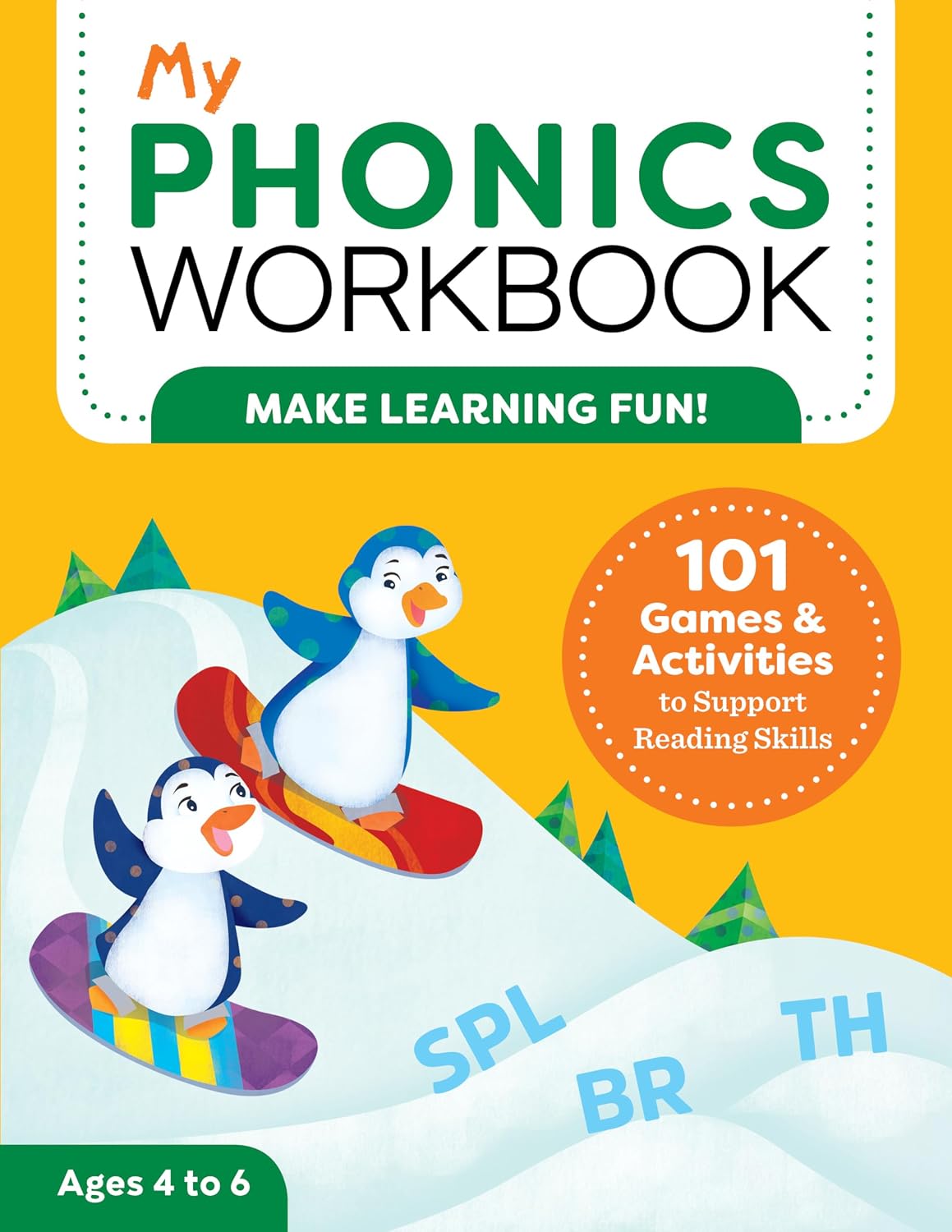
Kindergarten phonics tracer
My Phonics Workbook
The sequence moves from letter sounds to blends and digraphs while embedding letter tracing in its activities. Its concentrated scope links pencil practice directly to phonics rather than surveying readiness subjects.
- Best for
- A child preparing for kindergarten whose immediate goal is phonics-linked letter tracing and practice with letter sounds, blends, and digraphs.
- Not for
- A buyer whose main priority is broad, multi-subject school-readiness practice rather than a phonics-centered tracing path.
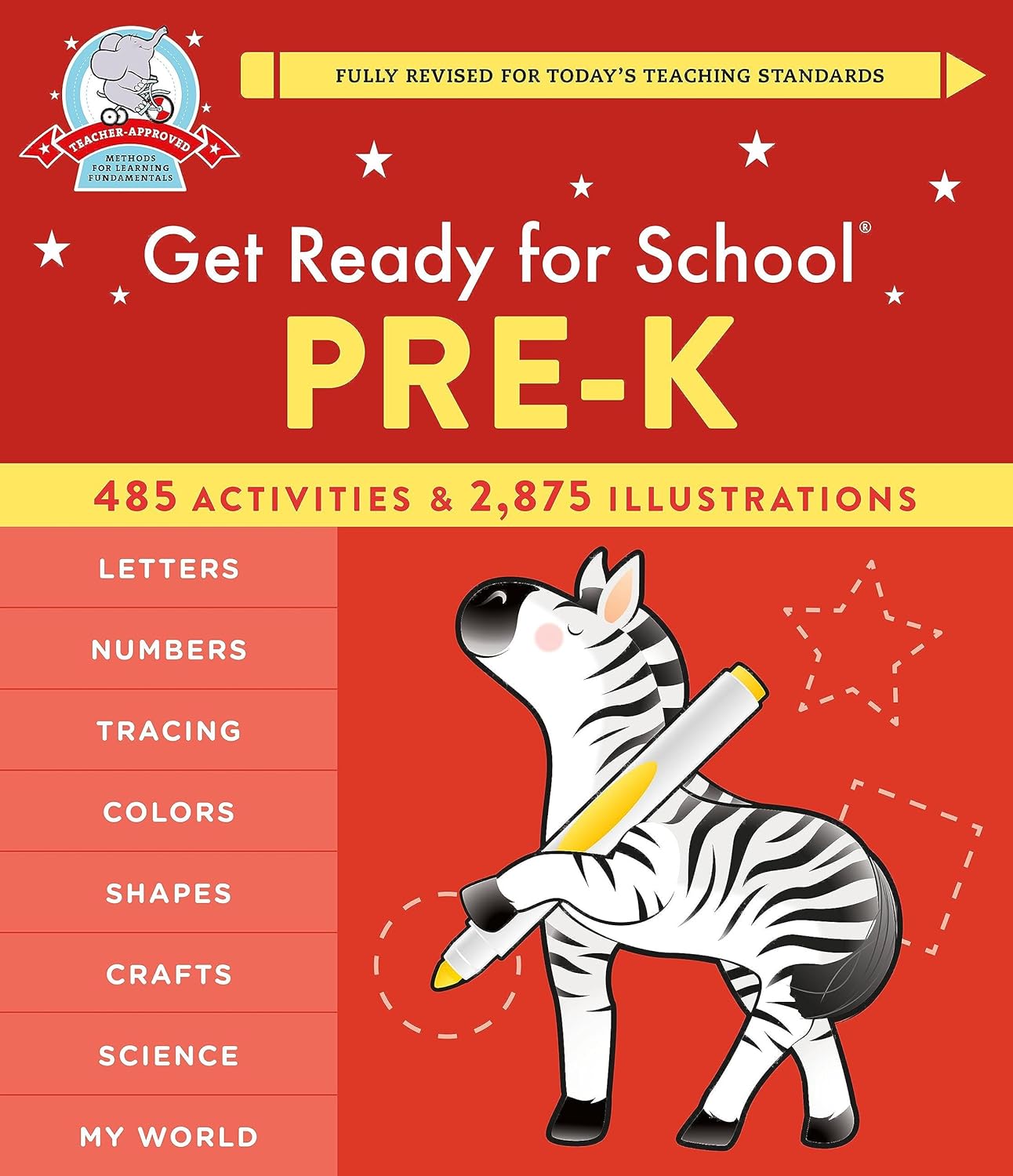
Broad Pre-K school-readiness generalist
Get Ready for School: Pre-K (Revised & Updated)
The workbook spans uppercase-alphabet writing, counting from one to twenty, shapes and colors, comparisons, seasons, and weather. Its value is breadth across readiness skills rather than specialization in one practice area.
- Best for
- A pre-K learner who needs broad preparation across alphabet work, counting, shapes, colors, comparisons, seasons, and weather.
- Not for
- A buyer seeking concentrated repetition in only one area, such as tracing, handwriting, or early math.
Kindergarten sight-word writing builder
My Sight Words Workbook
Its 101 high-frequency words are practiced through writing and sentence use, connecting written practice with word recognition and reading fluency. It concentrates on sight-word writing rather than broad readiness or numeracy.
- Best for
- A kindergarten learner ready to build written command of high-frequency words by writing them and using them in sentences.
- Not for
- A learner whose immediate priority is letter-sound phonics instruction, broad readiness coverage, or early mathematics.
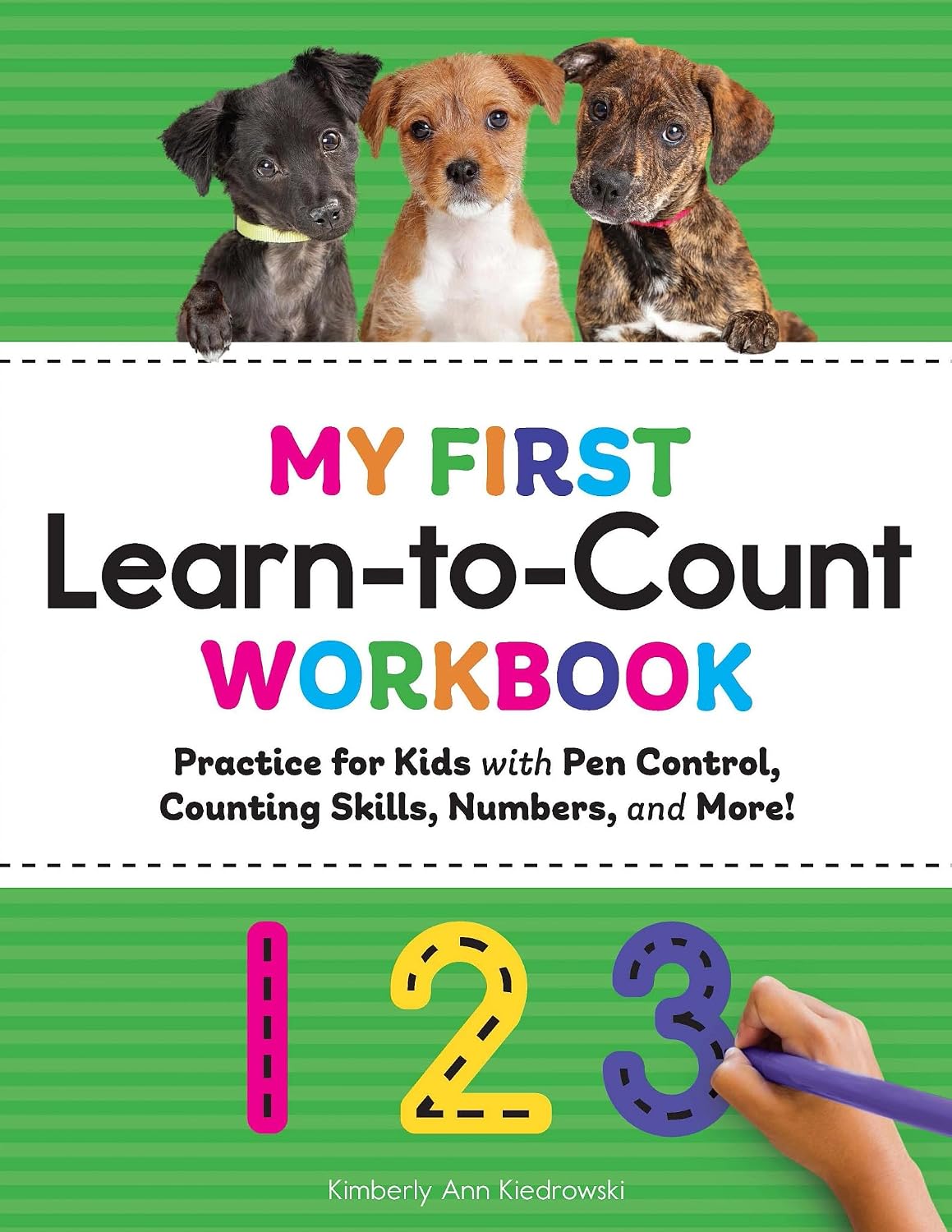
Preschool early-numeracy starter
My First Learn-to-Count Workbook
The sequence connects numbers zero through twenty with quantities and counting, then introduces more and fewer and basic addition. It prioritizes foundational numeracy over multi-subject preparation.
- Best for
- A preschool learner beginning number recognition, quantity matching, counting, comparisons, and basic addition.
- Not for
- A buyer prioritizing a broad school-readiness mix or literacy practice over a focused early-numeracy sequence.
Choose by what matters to you
What developmental stage is the child working at?
Match the stated level before considering subject matter: preschool for the counting workbook, pre-K for broad readiness, preparation for kindergarten for the phonics workbook, and kindergarten level for the sight-word workbook.
[4][7][8][1][2][5][6][3]What to know before choosing
Useful context
Questions to keep in mind
- An exact chronological-age range is not established for Get Ready for School: Pre-K; match it by its stated pre-K level and skill coverage rather than assuming an ages-two-through-four fit. [1]
Sources
We compare publisher descriptions, subject declarations, and exact-edition reader evidence where available, leaving unsupported attributes unstated.
- Get Ready for School: Pre-K (Revised & Updated)Publisher-supplied book metadata · checked 2026-08-16
- My Phonics WorkbookPublisher-supplied book metadata · checked 2026-08-16
- My Sight Words WorkbookPublisher-supplied book metadata · checked 2026-08-16
- My First Learn-to-Count WorkbookPublisher-supplied book metadata · checked 2026-08-16
- Publisher subject declaration for My Phonics WorkbookPublisher-supplied book metadata · checked 2026-08-16
- Publisher subject declaration for My Phonics WorkbookPublisher-supplied book metadata · checked 2026-08-16
- Publisher subject declaration for My First Learn-to-Count WorkbookPublisher-supplied book metadata · checked 2026-08-16
- Publisher subject declaration for My First Learn-to-Count WorkbookPublisher-supplied book metadata · checked 2026-08-16