When the Veto Blocks the Strait
China and Russia just blocked UN action to reopen the Strait of Hormuz; these books explain how maritime chokepoints, veto politics, and energy dependence combine to constrain diplomacy and raise the stakes of unilateral escalation.
Optimized for books about Books explaining the geopolitics of the Strait of Hormuz, UN Security Council veto dynamics, and how oil chokepoints shape great-power rivalry and energy risk.
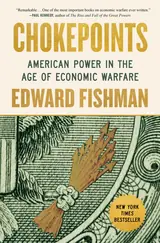
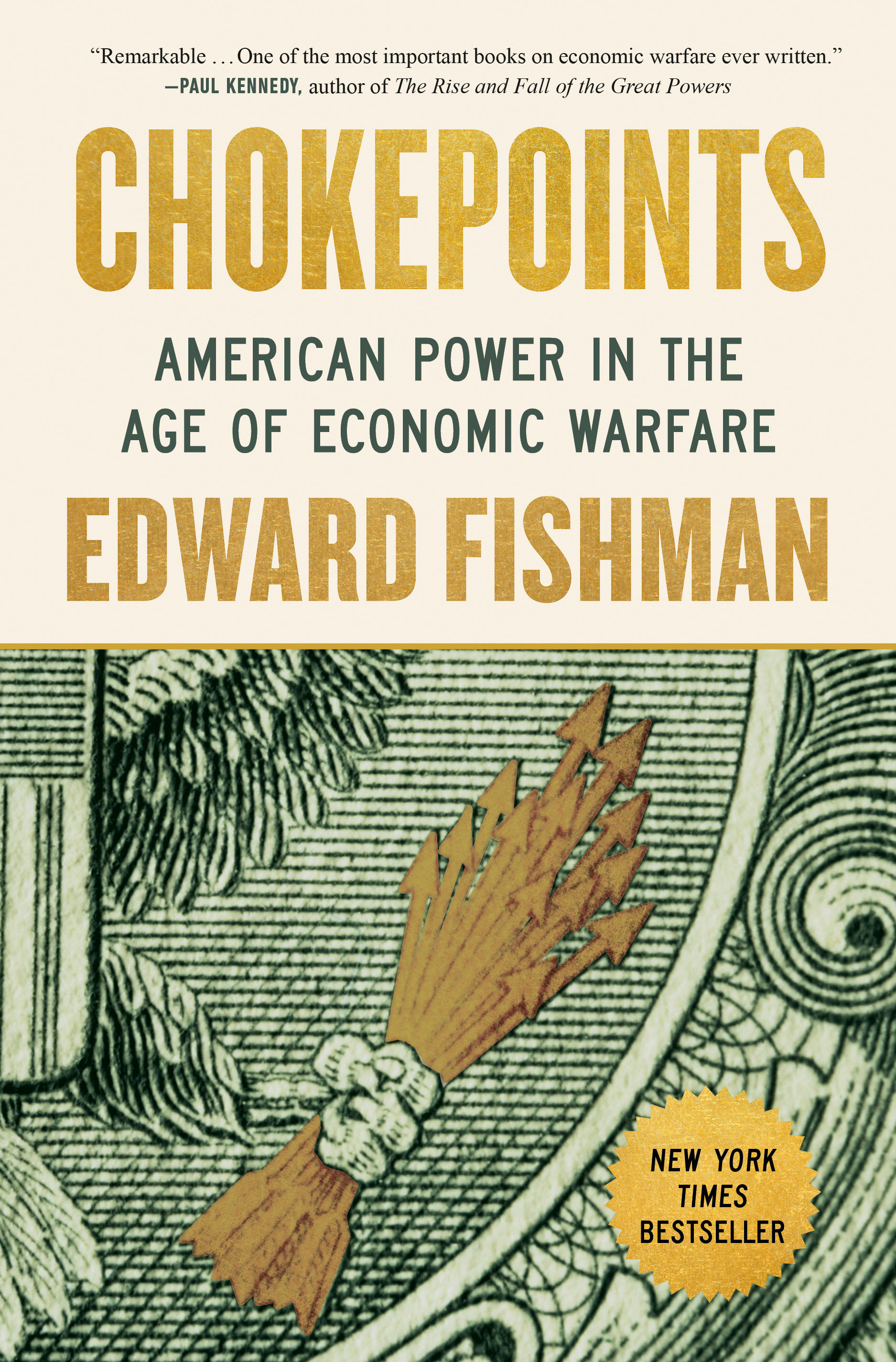 ChokepointsEdward FishmanAnalyzes global chokepoints and how narrow maritime nodes like the Strait of Hormuz transmit local disruptions into...Shelf signal: Security Studies
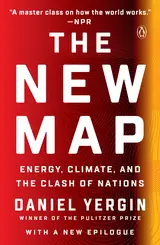
 The New MapDaniel YerginExplains how energy infrastructure, supply chains, and geopolitics interact to shape modern state behavior and market...Shelf signal: Energy Industry
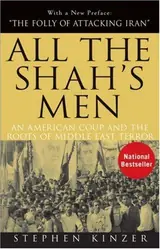
 All the Shah's MenStephen KinzerProvides historical context on Western interventions in Iran that inform Tehran's contemporary leverage and mistrust of...Shelf signal: Iranian History
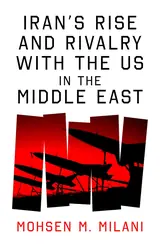
 Iran's Rise and Rivalry With the US in the Middle EastMohsen M. MilaniTraces Iran's regional rise and proxy networks that underpin its ability to coerce Gulf shipping and leverage the...Shelf signal: Middle Eastern Politics
 BackfireAgathe DemaraisExamines how sanctions and economic coercion backfire or shape state calculations, relevant where diplomatic tools are...Shelf signal: Trade & Tariffs
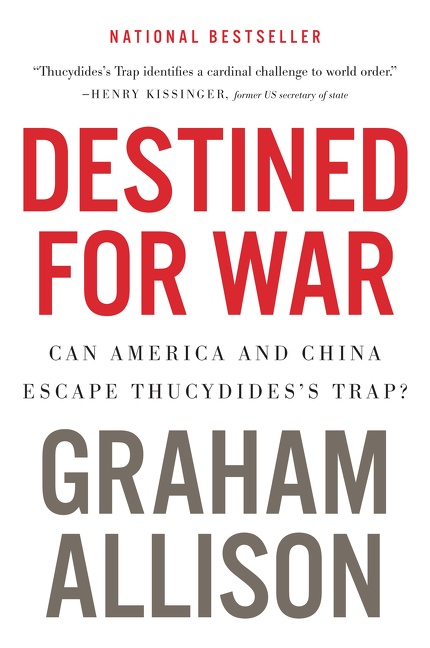 Destined for WarGraham AllisonSituates US-China-Russia rivalry and the structural risks of great-power competition that make Security Council...Shelf signal: Security Studies