
A Little Book on Form
An Exploration Into the Formal Imagination of Poetry
HarperCollins · Print & ebook · March 6, 2018
From the former U.S. Poet Laureate, Pulitzer Prize and National Book Award-winner, an illuminating dissection of poetic form for students, enthusiasts, and newcomers alike A Little Book on Form brilliantly synthesizes Hass’s formidable gifts as both a poet and essayist.
We earn from qualifying purchases.
- Who it’s for
- Robert Hass considers poetic form as both craft and the shaping force of thought and feeling.
- Themes
- Poetic form and imagination, Poetry's language of grief and desire, Thought and feeling in poetry
- Pacing
- Reflective
Nearest books
Matched by what the books are about, then ordered by what their readers also loved. Most of these share its genres: Poetry Writing and Poetry Criticism.
 Wallace StevensHelen Vendler47% match
 The Art of SyntaxEllen Bryant Voigt53% match
 Time and MaterialsRobert Hass59% match
 How to Read a PoemEdward Hirsch58% match
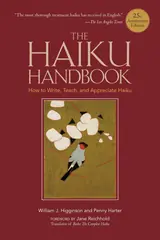 The Haiku Handbook #25th Anniversary EditionWilliam J. Higginson, Penny Harter58% matchAlso shares Haiku
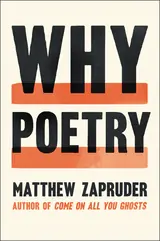 Why PoetryMatthew Zapruder58% match
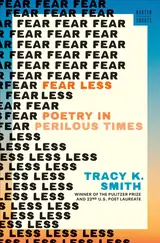 Fear LessTracy K Smith57% match
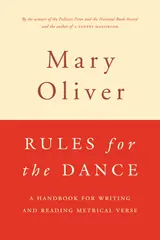 Rules for the DanceMary Oliver56% match
For younger readers: Awesome Earth, Blue Lipstick, Light Filters In: Poems
Start with three books, and this one can be the first.
Members get a new edition every morning: a route out from their books to essays, research and talks, with the reason for each.
Start with this bookAbout this book
From the former U.S. Poet Laureate, Pulitzer Prize and National Book Award-winner, an illuminating dissection of poetic form for students, enthusiasts, and newcomers alike A Little Book on Form brilliantly synthesizes Hass’s formidable gifts as both a poet and essayist. In it he takes up the central tension between poetry as genre and the poetics of the imagination. A wealth of vocabulary exists with which to talk about poetry in traditional formal terms.
Continue reading
But the more intuitive, creative parts of a poet’s work and processes are more elusive: if the most interesting aspect of form is the shaping power of the essential, expressive gestures inside it, how do we come to a language in which to speak about form as the search for the radiant shapes— the wholeness or brokenness—we experience inside powerful works of art? In suggestive, informal “notes,” Haas thinks through the idea of a poem from its barest building blocks—the one line haiku, the brief epigram or prayer—to the complex villanelle and sonnet, and beyond them, to the grand forms of elegy and ode through which poets across human cultures have investigated the shapes of grieving and desiring. His approach singularly employs postmodern perspectives on shape, thought, feeling, content, and movement, calling on Catullus and Allen Ginsberg, Kobayashi Issa and Czesław Miłosz. Begunb as a project for students of poetry, A Little Book on Form is anything but—Hass investigates the ancient roots of the poetic impulse, taking a wide-ranging look at the most intense experience of human thought and feeling in language.
How Poems Take Shape
Robert Hass considers poetic form as both craft and the shaping force of thought and feeling.
Come here for
- A generous vocabulary for talking about poems and their forms
- Connections from haiku and sonnets to elegy and ode
Expect
- Informal notes that move between poetic structures and the imagination
- A wide-ranging conversation with poets across cultures
Where it sits
| Poetry Criticism | 86% |
|---|---|
| Poetry Writing | 61% |
| Haiku | 16% |
Percentages are BookFrontier’s reading of the book.
Publisher categories
- Writing as a Career
- Creative Writing
- Fiction Writing
- Writing Nonfiction & Memoir
Show all 8 publisher categories
- Poetry Writing
- Reading Skills
- American Lit Crit
- Books & Reading
- Authors
- Robert Hass
- Publisher
- HarperCollins
- Published
- March 6, 2018
- Format
- Print & ebook
- Theme
- Poetic form and imagination · Poetry's language of grief and desire · Thought and feeling in poetry
- Reading lane
- Writing as a Career