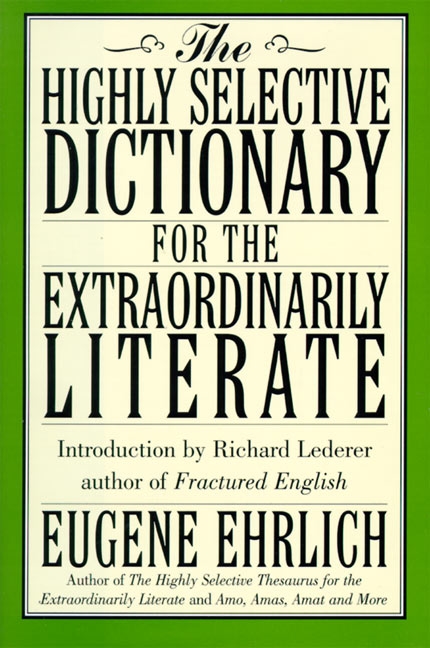
The Highly Selective Dictionary for the Extraordinarily Literate
HarperCollins · Print & ebook · May 22, 1997
A Reference pick for readers exploring The Highly Selective Dictionary for the Extraordinarily Literate.
We earn from qualifying purchases.
- Who it’s for
- Readers seeking guidance on commonly confused and misused words
- Themes
- Commonly misused words, Subtle distinctions in meaning, Etymology
- Genres
- Dictionaries, Word Origins, Spelling & Vocabulary
Nearest books
Matched by what the books are about, then ordered by what their readers also loved. Most of these share its genre: Word Origins.
 Like, Literally, DudeValerie Fridland57% match
 The Story of Ain'tDavid Skinner56% match
 How to Speak BritChristopher J. Moore55% match
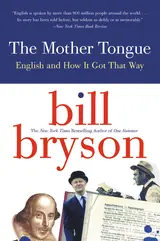 The Mother TongueBill Bryson55% match
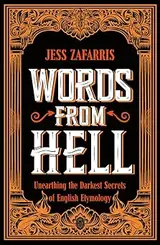 Words From HellJess Zafarris55% match
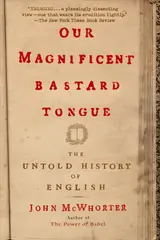 Our Magnificent Bastard TongueJohn McWhorter54% match
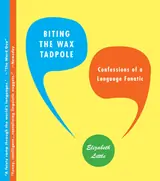 Biting the Wax TadpoleElizabeth Little54% match
 Made in AmericaBill Bryson54% match
For younger readers: Alphamaniacs, Dreyer's English (adapted for Young Readers), The Roots We Share
Start with three books, and this one can be the first.
Members get a new edition every morning: a route out from their books to essays, research and talks, with the reason for each.
Start with this bookAbout this book
Between TV talk shows, radio call-in programs, email and the Internet, spontaneous-talk media has skyrocketed in the '90s. People are interacting more frequently and more fervently than ever before, turning the English language into an indecipherable mess. Now, this unique and concise compendium presents the most confused and misused words in the language today -- words misused by careless speakers and writers everywhere.
Continue reading
It defines, discerns and distinguishes the finer points of sense and meaning. Was it fortuitous or only fortunate? Are you trying to remember, or more fully recollect? Is he uninterested or disinterested? Is it healthful or healthy, regretful or regrettable, notorious or infamous? The answers to these and many more fascinating etymological questions can be found within the pages of this invaluable (or is it valuable?) reference.
Who it’s for
- Readers seeking guidance on commonly confused and misused words
- Readers interested in distinctions between similar words and meanings
Where it sits
| Dictionaries | 55% |
|---|---|
| Word Origins | 51% |
| Spelling & Vocabulary | 40% |
Percentages are BookFrontier’s reading of the book.
Publisher categories
- Art Reference
- Fiction Writing
- Writing Nonfiction & Memoir
- Readers (Language Arts)
Show all 8 publisher categories
- Rhetoric
- Translating & Interpreting
- Word Origins
- Language Arts
- Authors
- Eugene Ehrlich
- Publisher
- HarperCollins
- Published
- May 22, 1997
- Format
- Print & ebook
- Theme
- Commonly misused words · Subtle distinctions in meaning · Etymology
- Reading lane
- Art Reference