
CUDA by Example
An Introduction to General-purpose GPU Programming
Pearson Education · Print & ebook · July 19, 2010
“This book is required reading for anyone working with accelerator-based computing systems.” –From the Foreword by Jack Dongarra, University of Tennessee and Oak Ridge National Laboratory CUDA is a computing architecture designed to facilitate the development of parallel programs.
We earn from qualifying purchases.
- Who it’s for
- C programmers seeking an introduction to general-purpose GPU programming
- Themes
- GPU programming, Parallel programming, High-performance computing
- Genres
- Parallel Programming, C Programming, Systems Architecture
Nearest books
Matched by what the books are about, then ordered by what their readers also loved.
 Pro .NET Memory ManagementKonrad Kokosa, Christophe Nasarre49% match
 Fluent PythonLuciano Ramalho49% match
 Linux Kernel DevelopmentRobert Love47% matchShares C Programming
 Professional CUDA C ProgrammingJohn Cheng, Max Grossman80% matchShares Parallel Programming, C Programming and Systems Architecture
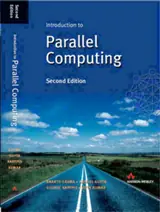 Introduction to Parallel ComputingAnanth Grama, Anshul Gupta61% matchShares Parallel Programming and Systems Architecture
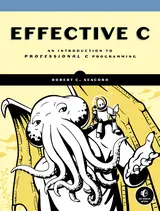 Effective CRobert C. Seacord58% matchShares C Programming
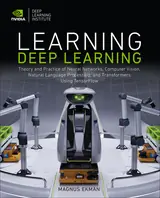 Learning Deep LearningMagnus Ekman57% match
 C++ Crash CourseJosh Lospinoso56% match
For younger readers: Python for Kids
Start with three books, and this one can be the first.
Members get a new edition every morning: a route out from their books to essays, research and talks, with the reason for each.
Start with this bookAbout this book
“This book is required reading for anyone working with accelerator-based computing systems.” –From the Foreword by Jack Dongarra, University of Tennessee and Oak Ridge National Laboratory CUDA is a computing architecture designed to facilitate the development of parallel programs.
Continue reading
In conjunction with a comprehensive software platform, the CUDA Architecture enables programmers to draw on the immense power of graphics processing units (GPUs) when building high-performance applications. GPUs, of course, have long been available for demanding graphics and game applications. CUDA now brings this valuable resource to programmers working on applications in other domains, including science, engineering, and finance. No knowledge of graphics programming is required–just the ability to program in a modestly extended version of C. CUDA by Example, written by two senior members of the CUDA software platform team, shows programmers how to employ this new technology. The authors introduce each area of CUDA development through working examples. After a concise introduction to the CUDA platform and architecture, as well as a quick-start guide to CUDA C, the book details the techniques and trade-offs associated with each key CUDA feature. You’ll discover when to use each CUDA C extension and how to write CUDA software that delivers truly outstanding performance. Major topics covered include - Parallel programming - Thread cooperation - Constant memory and events - Texture memory - Graphics interoperability - Atomics - Streams - CUDA C on multiple GPUs - Advanced atomics - Additional CUDA resources All the CUDA software tools you’ll need are freely available for download from NVIDIA. http://developer.nvidia.com/object/cuda-by-example.html
Who it’s for
- C programmers seeking an introduction to general-purpose GPU programming
- Programmers exploring parallel computing for science, engineering, or finance
Where it sits
| Parallel Programming | 90% |
|---|---|
| Systems Architecture | 47% |
| C Programming | 46% |
Percentages are BookFrontier’s reading of the book.
Publisher categories
- Programming Languages
- Parallel Programming
- Authors
- Jason Sanders, Edward Kandrot
- Publisher
- Pearson Education
- Published
- July 19, 2010
- Format
- Print & ebook
- Theme
- GPU programming · Parallel programming · High-performance computing
- Reading lane
- Programming Languages