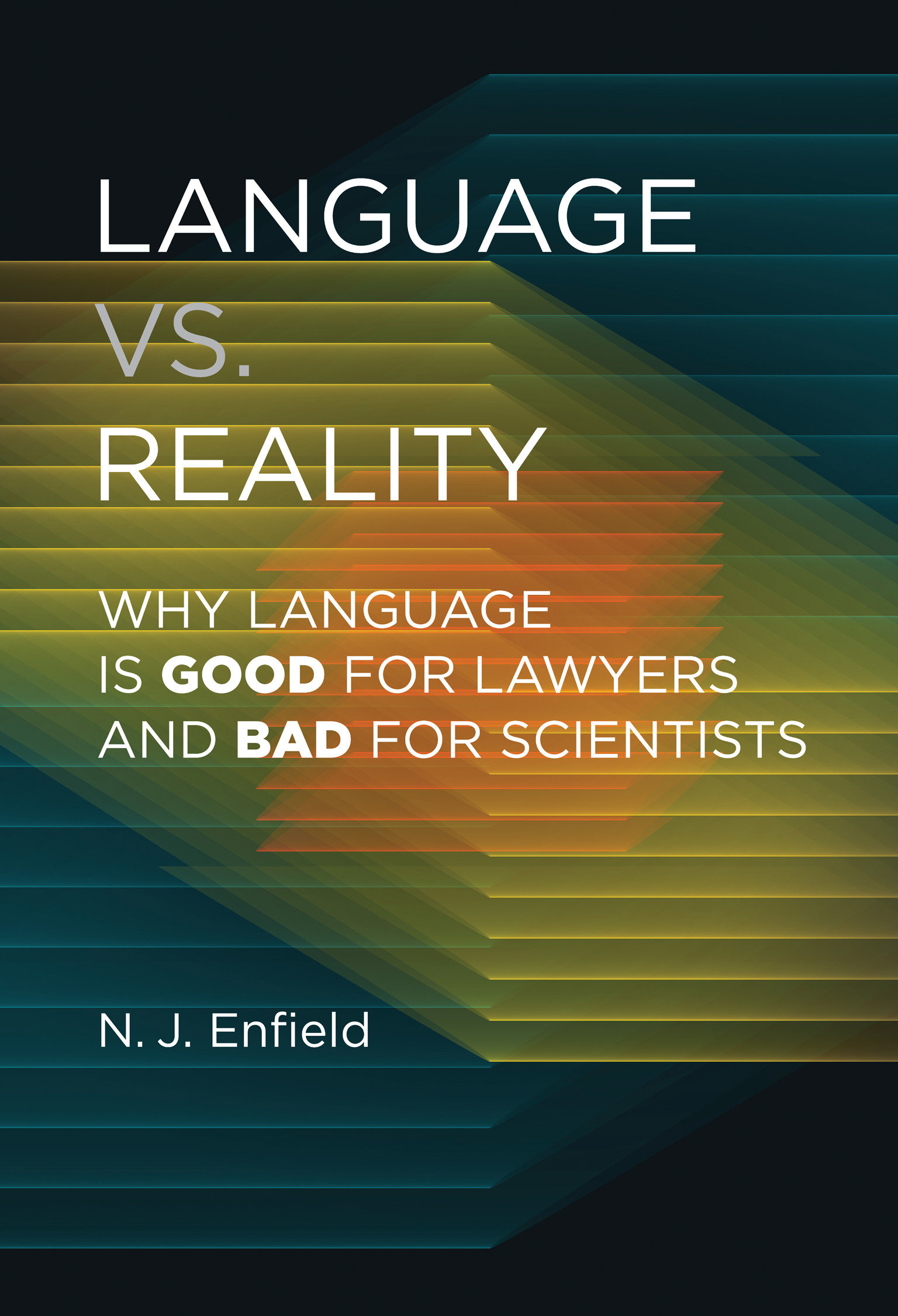
Language Vs. Reality
Why Language Is Good for Lawyers and Bad for Scientists
MIT Press · Print & ebook · March 29, 2022
Language Vs.
We earn from qualifying purchases.
- Who it’s for
- N. J. Enfield explores how language shapes thought and persuasion without reliably representing reality.
- Themes
- Language and reality, Language, memory, and reasoning, Persuasion and political spin
- Genres
- Linguistics, Psycholinguistics, Philosophy of Language
Nearest books
Matched by what the books are about, then ordered by what their readers also loved.
 Like, Literally, DudeValerie Fridland64% match
 LanguageDaniel L. Everett63% matchShares Philosophy of Language
 The Power of LanguageViorica Marian62% matchShares Psycholinguistics
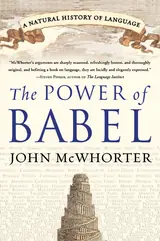 The Power of BabelJohn McWhorter58% matchShares Linguistics
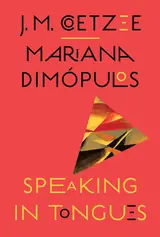 Speaking in TonguesJ. M. Coetzee, Mariana Dimópulos58% matchShares Philosophy of Language
 LinguaphileJulie Sedivy56% matchShares Linguistics and Psycholinguistics
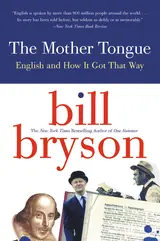 The Mother TongueBill Bryson55% match
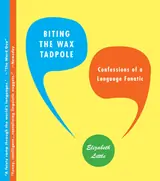 Biting the Wax TadpoleElizabeth Little54% matchShares Linguistics
For younger readers: Big Lies, Alphamaniacs, Dreyer's English (adapted for Young Readers)
Start with three books, and this one can be the first.
Members get a new edition every morning: a route out from their books to essays, research and talks, with the reason for each.
Start with this bookAbout this book
A fascinating examination of how we are both played by language and made by language: the science underlying the bugs and features of humankind’s greatest invention. Language is said to be humankind’s greatest accomplishment. But what is language actually good for? It performs poorly at representing reality. It is a constant source of distraction, misdirection, and overshadowing.
Continue reading
In fact, N. J. Enfield notes, language is far better at persuasion than it is at objectively capturing the facts of experience. Language cannot create or change physical reality, but it can do the next best thing: reframe and invert our view of the world. In Language vs. Reality, Enfield explains why language is bad for scientists (who are bound by reality) but good for lawyers (who want to win their cases), why it can be dangerous when it falls into the wrong hands, and why it deserves our deepest respect. Enfield offers a lively exploration of the science underlying the bugs and features of language. He examines the tenuous relationship between language and reality; details the array of effects language has on our memory, attention, and reasoning; and describes how these varied effects power narratives and storytelling as well as political spin and conspiracy theories. Why should we care what language is good for? Enfield, who has spent twenty years at the cutting edge of language research, argues that understanding how language works is crucial to tackling our most pressing challenges, including human cognitive bias, media spin, the “post-truth” problem, persuasion, the role of words in our thinking, and much more.
Language and Reality
N. J. Enfield explores how language shapes thought and persuasion without reliably representing reality.
Come here for
- Language’s effects on memory, attention, and reasoning
- How words power storytelling, political spin, and conspiracy theories
Expect
- A look at language’s tenuous relationship with reality
- Examples involving scientists, lawyers, political spin, and conspiracy theories
Where it sits
| Psycholinguistics | 42% |
|---|---|
| Linguistics | 41% |
| Philosophy of Language | 36% |
Percentages are BookFrontier’s reading of the book.
Publisher categories
- Linguistics
- Psycholinguistics
- How We Think & Learn
- Authors
- N.J. Enfield
- Publisher
- MIT Press
- Published
- March 29, 2022
- Format
- Print & ebook
- Theme
- Language and reality · Language, memory, and reasoning · Persuasion and political spin
- Reading lane
- Linguistics