
The Power of Babel
A Natural History of Language
HarperCollins · Print & ebook · January 7, 2003
“An essay in origins … as theoretical as Hawking and Gorst in trying to see into the deep past.
We earn from qualifying purchases.
- Who it’s for
- Follow language across time and place in a witty, accessible account of how speech keeps changing.
- Themes
- Language evolution, Language diversity, Language and human history
- Genres
- Historical Linguistics, Sociolinguistics, Linguistics
Nearest books
Matched by what the books are about, then ordered by what their readers also loved.
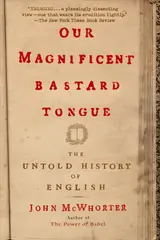 Our Magnificent Bastard TongueJohn McWhorter65% matchShares Historical Linguistics
 Spying on WhalesNick Pyenson45% match
 Neanderthal ManSvante Pääbo45% match
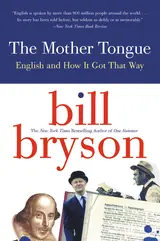 The Mother TongueBill Bryson62% matchShares Historical Linguistics
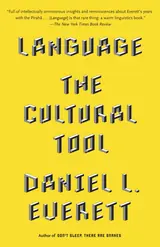 LanguageDaniel L. Everett71% matchShares Sociolinguistics
 Like, Literally, DudeValerie Fridland59% matchShares Sociolinguistics
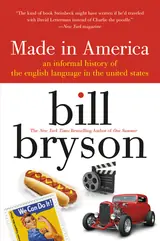 Made in AmericaBill Bryson59% match
 How to Speak BritChristopher J. Moore51% matchShares Sociolinguistics
For younger readers: Alphamaniacs, Unstoppable US, Volume 1: How Humans Took Over the World, How to Build a Human
Start with three books, and this one can be the first.
Members get a new edition every morning: a route out from their books to essays, research and talks, with the reason for each.
Start with this bookAbout this book
“An essay in origins … as theoretical as Hawking and Gorst in trying to see into the deep past.
Continue reading
McWhorter is a clear and witty writer.”— Harper’s In the first book written for the layperson about the natural history of language, linguistic professor John McWhorter ranges across linguistic theory, geography, history, and pop culture to tell the fascinating story of how thousands of very different languages have evolved from a single, original source in a natural process similar to biological evolution. There are approximately six thousand languages on Earth today, each a descendant of the tongue first spoken by Homo sapiens some 150,000 years ago. While laying out how languages mix and mutate over time, linguistics professor John McWhorter reminds us of the variety within the species that speaks them, and argues that, contrary to popular perception, language is not immutable and hidebound, but a living, dynamic entity that adapts itself to an ever-changing human environment. Full of humor and imaginative insight, The Power of Babel draws its illustrative examples from languages around the world, including pidgins, Creoles, and nonstandard dialects.
Language in Motion
Follow language across time and place in a witty, accessible account of how speech keeps changing.
Come here for
- A broad view of language’s natural history
- Examples spanning pidgins, Creoles, and nonstandard dialects
Expect
- Linguistic theory alongside geography, history, and pop culture
- A clear, humorous guide to language as a living thing
Where it sits
| Historical Linguistics | 83% |
|---|---|
| Sociolinguistics | 58% |
| Linguistics | 24% |
Percentages are BookFrontier’s reading of the book.
Publisher categories
- Ancient History
- World History
- Historical Geography
- Historical Linguistics
Show all 8 publisher categories
- Morphology
- Sociolinguistics
- Word Origins
- History of Science
- Authors
- John McWhorter
- Publisher
- HarperCollins
- Published
- January 7, 2003
- Format
- Print & ebook
- Theme
- Language evolution · Language diversity · Language and human history
- Reading lane
- Ancient History