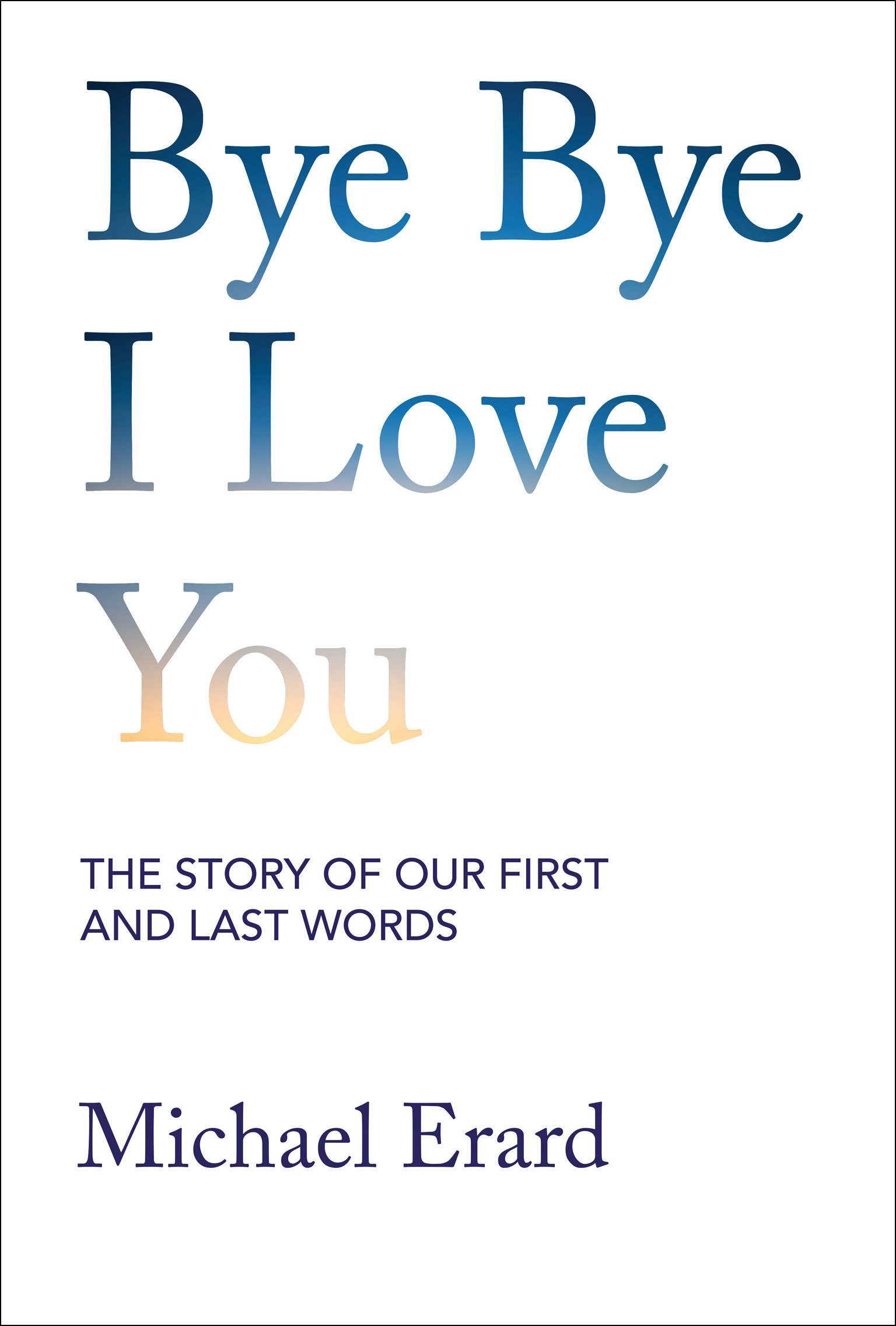
Bye Bye I Love You
The Story of Our First and Last Words
MIT Press · Print & ebook · February 11, 2025
A beautiful and intimate exploration of first and last words—and the many facets of how language begins and ends—from a pioneering language writer.
We earn from qualifying purchases.
- Who it’s for
- Michael Erard traces first and last words through human development, history, culture, and end-of-life communication.
- Themes
- First words and language development, Language at the end of life, Cultural beliefs about language
- Genres
- Psycholinguistics, Death & Dying, Sociolinguistics
Nearest books
Matched by what the books are about, then ordered by what their readers also loved. Most of these share its genre: Death & Dying.
 Briefly Perfectly HumanAlua Arthur56% match
 Walking Each Other HomeMirabai Bush, Ram Dass55% match
 A Beginner's Guide to the EndDr. BJ Miller, Shoshana Berger55% match
 The Needs of the DyingDavid Kessler54% match
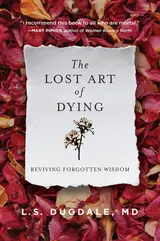 The Lost Art of DyingL.S. Dugdale, Lydia S. Dugdale53% match
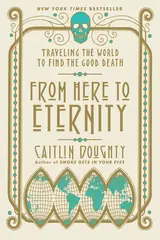 From Here to EternityCaitlin Doughty, Recorded Books51% match
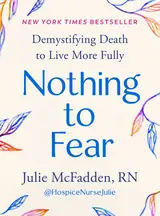 Nothing to FearJulie McFadden RN, Julie McFadden51% match
For younger readers: The Last Time We Say Goodbye, Alphamaniacs, Goodbye Days
Start with three books, and this one can be the first.
Members get a new edition every morning: a route out from their books to essays, research and talks, with the reason for each.
Start with this bookAbout this book
A beautiful and intimate exploration of first and last words—and the many facets of how language begins and ends—from a pioneering language writer. With our earliest utterances, we announce ourselves—and are recognized—as persons ready for social life. With our final ones, we mark where others must release us to death’s embrace.
Continue reading
In Bye Bye I Love You, linguist and author Michael Erard explores these phenomena, commonly called “first words” and “last words,” uncovering their cultural, historical, and biological entanglements and honoring their deep private significance. Erard draws from personal, historical, and anthropological sources to provide a sense of the breadth of beliefs and practices about these phenomena across eras, religions, and cultures around the world. What do babies’ first words have in common? How do people really communicate at the end of life? In the first half of the book, Erard tells the story of first words in human development and evolution, and how the attention to children’s early language—a modern phenomenon—arose. In the second half, he provides a groundbreaking overview of language at the end of life and the cultural conventions that surround it. Throughout he reveals the many parallels and asymmetries between first and last words and asks whether we might be able to use a linguistic understanding of end of life to discover what we truly want.
First and Last Words
Michael Erard traces first and last words through human development, history, culture, and end-of-life communication.
Come here for
- How early language became a focus of attention to children
- Cultural conventions around language at the end of life
Expect
- Personal, historical, and anthropological perspectives
- Parallels and asymmetries between first and last words
Where it sits
| Death & Dying | 69% |
|---|---|
| Psycholinguistics | 48% |
| Sociolinguistics | 20% |
Percentages are BookFrontier’s reading of the book.
Publisher categories
- Communication Studies
- Psycholinguistics
- Death & Dying
- Authors
- Michael Erard
- Publisher
- MIT Press
- Published
- February 11, 2025
- Format
- Print & ebook
- Theme
- First words and language development · Language at the end of life · Cultural beliefs about language
- Reading lane
- Communication Studies