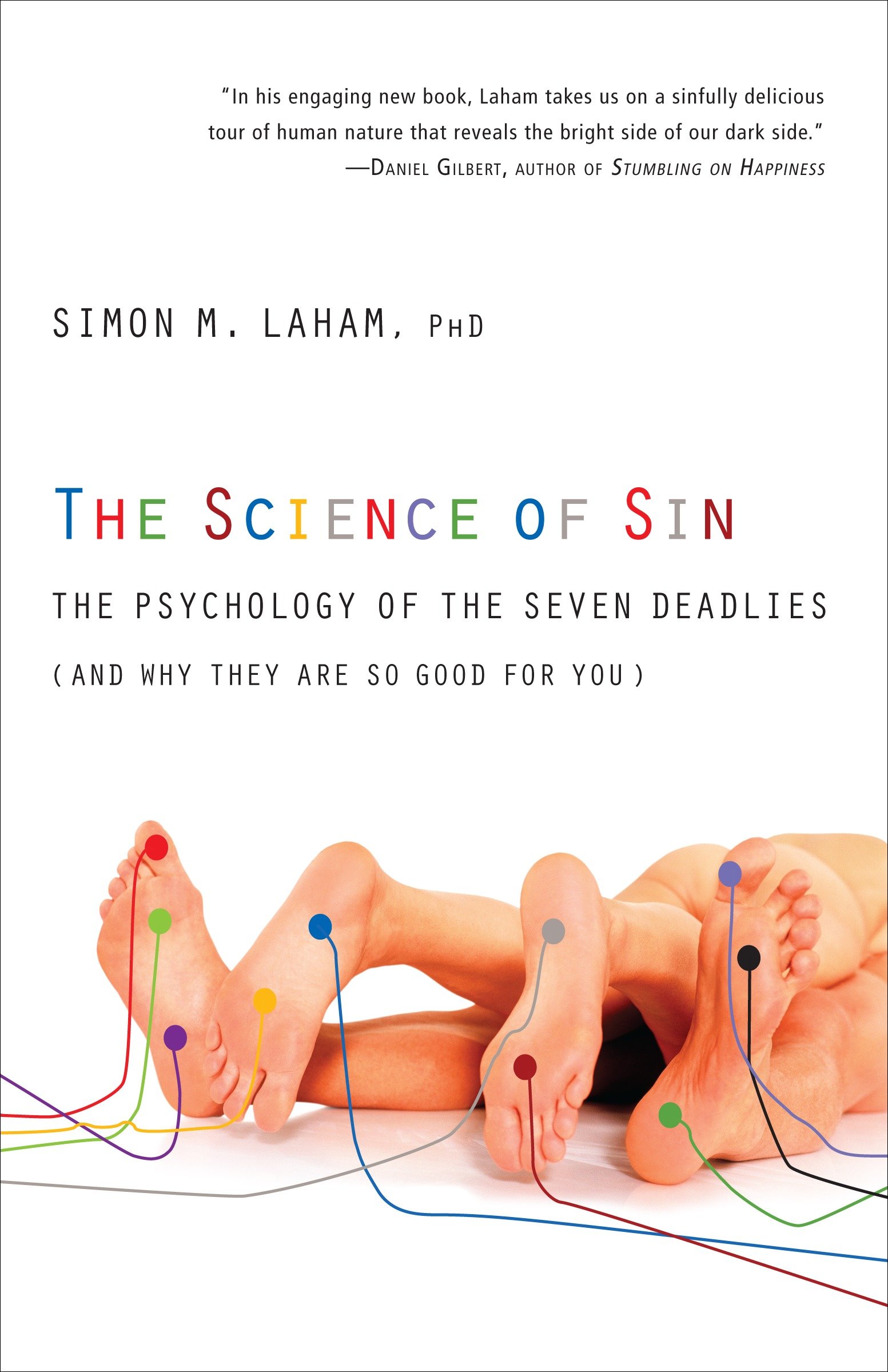
The Science of Sin
The Psychology of the Seven Deadlies (and Why They Are So Good for You)
Harmony/Rodale/Convergent · Print & ebook · February 7, 2012
Pride, lust, gluttony, greed, envy, sloth, and anger.
We earn from qualifying purchases.
- Who it’s for
- Seven familiar sins become a lively lens on the complicated psychology of being human.
- Themes
- Psychology of the seven deadly sins, Adaptive effects of vices, Complexity beyond good and evil
- Genres
- Social Psychology, Emotions, Personality
Nearest books
Matched by what the books are about, then ordered by what their readers also loved.
 ChokeSian Beilock44% match
 The Sociopath Next DoorMartha Stout55% match
 The Goodness ParadoxRichard Wrangham, Richard W. Wrangham52% match
 Hope for CynicsJamil Zaki52% matchShares Social Psychology
 A Brief History of ViceRobert Evans51% match
For younger readers: Slaying Digital Dragons ™, How Rude!, Swoon
Start with three books, and this one can be the first.
Members get a new edition every morning: a route out from their books to essays, research and talks, with the reason for each.
Start with this bookAbout this book
Pride, lust, gluttony, greed, envy, sloth, and anger. They’re considered “deadly” because of their capacity to generate other evils. The truth is, we all sin and we do it all the time—in fact, usually several times over before breakfast! But human behavior, argues social psychologist Simon Laham, is more complex than “good” or “evil.”
Continue reading
In psychology, these sins aren’t considered morally wrong or even uniformly bad, but are treated rather as complex and interesting psychological states that if, indulged wisely, can be functional, adaptive, and lead to a range of positive effects. The Science of Sin takes on these so-called sins one by one and through psychological research shows that being bad can be oh-so-good for you. Did you know that: · Being slow and lazy can help you win the race? · Anger makes you more open-minded? · Coveting what others have not only makes you more creative but bolsters self- esteem? So go ahead, eat that last cookie and kick back on the couch for a day of TV with your neighbor’s boyfriend—from gluttony to greed, envy to lust, Laham shows how even the deadliest, most decadent of vices can make you smart, successful, and happy.
Rethinking the Vices
Seven familiar sins become a lively lens on the complicated psychology of being human.
Come here for
- A curious take on how supposedly bad impulses can sometimes help
- Psychology that complicates the tidy line between good and evil
Expect
- Seven sins considered as complex psychological states
- A brisk, counterintuitive look at everyday human behavior
Where it sits
| Social Psychology | 86% |
|---|---|
| Emotions | 39% |
| Personality | 30% |
Percentages are BookFrontier’s reading of the book.
Publisher categories
- Behavioral Psychology
- The Pursuit of Happiness
- Pop Culture Studies
- Authors
- Simon M. Laham, PhD
- Publisher
- Harmony/Rodale/Convergent
- Published
- February 7, 2012
- Format
- Print & ebook
- Theme
- Psychology of the seven deadly sins · Adaptive effects of vices · Complexity beyond good and evil
- Reading lane
- Behavioral Psychology