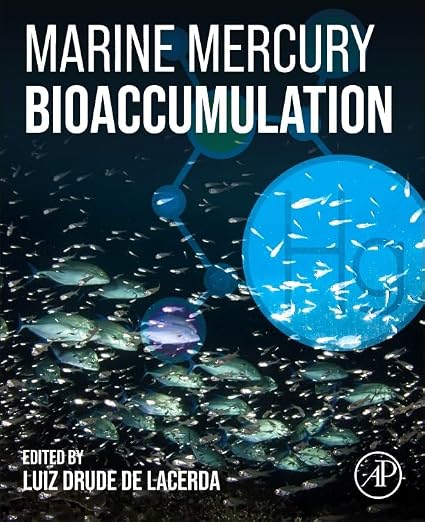
Marine Mercury Bioaccumulation
Kindle Edition
Elsevier Science · Ebook · Forthcoming
We earn from qualifying purchases.
- Who it’s for
- Trace how mercury accumulates through marine food webs, from vegetation and invertebrates to wildlife and seafood.
- Genres
- Toxicology, Marine Biology, Environmental Science
- Published
- Elsevier Science, Forthcoming
Nearest books
Matched by what the books are about, then ordered by what their readers also loved. Most of these share its genre: Toxicology.
 Chemometrics and Cheminformatics in Aquatic ToxicologyKunal Roy62% match
 Ecotoxicology EssentialsDonald W. Sparling PhD, Donald W Sparling56% matchAlso shares Environmental Science
 Amphibian Species in Environmental Risk Assessment StrategiesMarcelo L Larramendy, Guillermo Eli Liwszyc56% matchAlso shares Environmental Science
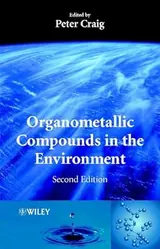 Organometallic Compounds in the EnvironmentP. J. Craig55% match
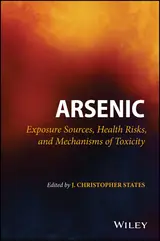 ArsenicJ. Christopher States53% match
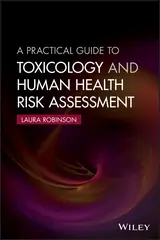 A Practical Guide to Toxicology and Human Health Risk AssessmentLaura Robinson51% match
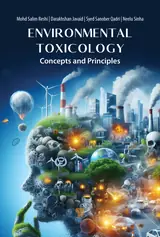 Environmental ToxicologyMohd. Salim Reshi, Darakhshan Javaid51% matchAlso shares Environmental Science
 Shark Biology and ConservationDaniel C. Abel, R. Dean Grubbs51% matchAlso shares Marine Biology
For younger readers: An Anthology of Aquatic Life, Tracking Trash, Oceanarium
Start with three books, and this one can be the first.
Members get a new edition every morning: a route out from their books to essays, research and talks, with the reason for each.
Start with this bookAbout this book
Marine Mercury Bioaccumulation presents state-of-the-art research on mercury bioaccumulation in marine life. Written by leading experts in marine toxicology, this book delivers the latest information on monitoring and modeling mercury biomagnification in key marine taxa. Early chapters introduce the basic biology and ecology of how mercury travels through marine organisms and accumulates within marine food webs.
Continue reading
Central chapters discuss the current status and exposure risks of key taxa, including marine vegetation, invertebrates, fishes, mammals, and birds. The book concludes with an assessment of human exposure to mercury through seafood products and novel modeling tools to assess environmental exposure risks and bioaccumulation. Users will find this to be a great resource for a global assessment of mercury contamination in the ocean, including biological resources, monitoring and modeling, current tools, existing research gaps, and suggestions on how to improve our monitoring and policy tools for improved safety of marine life and human consumption. This is an indispensable tool for researchers, resource managers, fisheries stakeholders, and students alike. - Summarizes state-of-the-art research on mercury accumulation in marine biota - Provides a worldwide database on mercury concentrations and distribution in key marine taxa - Features insights from global experts on current practices for mercury monitoring and pollution assessment
Mercury in Marine Life
Trace how mercury accumulates through marine food webs, from vegetation and invertebrates to wildlife and seafood.
Come here for
- Mercury monitoring and modeling across marine taxa
- Seafood exposure risks and environmental assessment tools
Expect
- Coverage of marine vegetation, invertebrates, fishes, mammals, and birds
- A worldwide database of mercury concentrations and distribution
Where it sits
| Marine Biology | 48% |
|---|---|
| Environmental Science | 44% |
| Toxicology | 38% |
Percentages are BookFrontier’s reading of the book.
Publisher categories
- Marine Biology
- Authors
- Luiz Drude de Lacerda PhD
- Publisher
- Elsevier Science
- Published
- Forthcoming
- Format
- Ebook
- Reading lane
- Marine Biology