
Assembly Language Step-by-step
Programming With Linux
Wiley · Print & ebook · October 5, 2009
The eagerly anticipated new edition of the bestselling introduction to x86 assembly language The long-awaited third edition of this bestselling introduction to assembly language has been completely rewritten to focus on 32-bit protected-mode Linux and the free NASM assembler.
We earn from qualifying purchases.
- Who it’s for
- Programming beginners with no prior experience
- Themes
- x86 assembly programming, Linux software development, Computer architecture basics
- Pacing
- Steady
Nearest books
Matched by what the books are about, then ordered by what their readers also loved.
 Hacker's DelightHenry S. Warren54% match
 Linux Command Line and Shell Scripting BibleRichard Blum, Christine Bresnahan53% matchShares Linux Systems
 Data Structures and Algorithms in JavaRobert Lafore48% match
 The Linux Programming InterfaceMichael Kerrisk52% matchShares Linux Systems
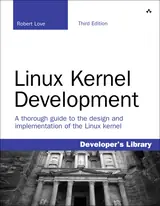 Linux Kernel DevelopmentRobert Love62% matchShares Linux Systems and Open Source Development
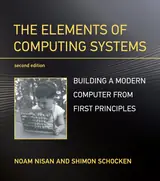 The Elements of Computing Systems, Second EditionNoam Nisan, Shimon Schocken62% match
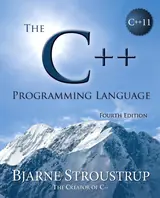 C++ Programming Language, theBjarne Stroustrup55% match
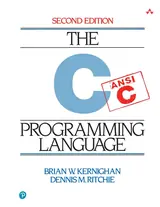 C Programming LanguageDennis Ritchie, Brian W. Kernighan54% match
For younger readers: Python for Kids, 2nd Edition, Python for Kids
Start with three books, and this one can be the first.
Members get a new edition every morning: a route out from their books to essays, research and talks, with the reason for each.
Start with this bookAbout this book
The eagerly anticipated new edition of the bestselling introduction to x86 assembly language The long-awaited third edition of this bestselling introduction to assembly language has been completely rewritten to focus on 32-bit protected-mode Linux and the free NASM assembler.
Continue reading
Assembly is the fundamental language bridging human ideas and the pure silicon hearts of computers, and popular author Jeff Dunteman retains his distinctive lighthearted style as he presents a step-by-step approach to this difficult technical discipline. He starts at the very beginning, explaining the basic ideas of programmable computing, the binary and hexadecimal number systems, the Intel x86 computer architecture, and the process of software development under Linux. From that foundation he systematically treats the x86 instruction set, memory addressing, procedures, macros, and interface to the C-language code libraries upon which Linux itself is built. - Serves as an ideal introduction to x86 computing concepts, as demonstrated by the only language directly understood by the CPU itself - Uses an approachable, conversational style that assumes no prior experience in programming of any kind - Presents x86 architecture and assembly concepts through a cumulative tutorial approach that is ideal for self-paced instruction - Focuses entirely on free, open-source software, including Ubuntu Linux, the NASM assembler, the Kate editor, and the Gdb/Insight debugger - Includes an x86 instruction set reference for the most common machine instructions, specifically tailored for use by programming beginners - Woven into the presentation are plenty of assembly code examples, plus practical tips on software design, coding, testing, and debugging, all using free, open-source software that may be downloaded without charge from the Internet.
Who it’s for
- Programming beginners with no prior experience
- Self-paced learners studying x86 assembly under Linux
Where it sits
| Assembly Language Programming | 100% |
|---|---|
| Linux Systems | 35% |
| Open Source Development | 34% |
Percentages are BookFrontier’s reading of the book.
Publisher categories
- Software Development
- Authors
- Jeff Duntemann
- Publisher
- Wiley
- Published
- October 5, 2009
- Format
- Print & ebook
- Theme
- x86 assembly programming · Linux software development · Computer architecture basics
- Reading lane
- Software Development