
What Is Mental Illness?
WW Norton · Print & ebook · November 12, 2012
A Psychology pick for readers exploring What Is Mental Illness?.
We earn from qualifying purchases.
- Who it’s for
- McNally examines how psychiatric diagnoses distinguish mental disorders from the struggles of everyday life.
- Genres
- Mental Disorders, Mental Health
- Published
- WW Norton, November 12, 2012
Nearest books
Matched by what the books are about, then ordered by what their readers also loved.
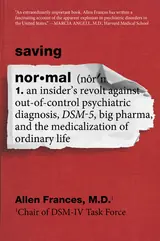 Saving NormalAllen Frances69% matchShares Mental Disorders
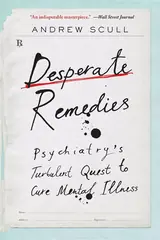 Desperate RemediesAndrew Scull68% match
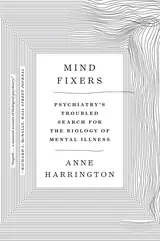 Mind FixersAnne Harrington67% match
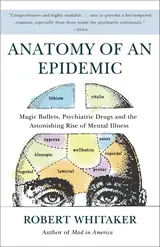 Anatomy of an EpidemicRobert Whitaker67% match
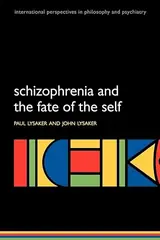 Schizophrenia and the Fate of the SelfPaul Lysaker, John Lysaker66% match
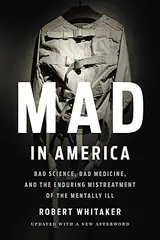 Mad in AmericaRobert Whitaker66% match
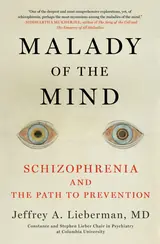 Malady of the MindJacques Roy, Jeffrey A. Lieberman65% match
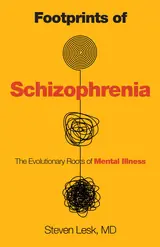 Footprints of SchizophreniaSteven Lesk M.D.64% match
For younger readers: (don't) Call Me Crazy, Where to Start, Obsessed
Start with three books, and this one can be the first.
Members get a new edition every morning: a route out from their books to essays, research and talks, with the reason for each.
Start with this bookAbout this book
According to a major health survey, nearly half of all Americans have been mentally ill at some point in their lives—more than a quarter in the last year. Can this be true? What exactly does it mean, anyway? What’s a disorder, and what’s just a struggle with real life?
Continue reading
This lucid and incisive book cuts through both professional jargon and polemical hot air, to describe the intense political and intellectual struggles over what counts as a “real” disorder, and what goes into the “DSM,” the psychiatric bible. Is schizophrenia a disorder? Absolutely. Is homosexuality? It was—till gay rights activists drove it out of the DSM a generation ago. What about new and controversial diagnoses? Is “social anxiety disorder” a way of saying that it’s sick to be shy, or “female sexual arousal disorder” that it’s sick to be tired? An advisor to the DSM, but also a fierce critic of exaggerated overuse, McNally defends the careful approach of describing disorders by patterns of symptoms that can be seen, and illustrates how often the system medicalizes everyday emotional life. Neuroscience, genetics, and evolutionary psychology may illuminate the biological bases of mental illness, but at this point, McNally argues, no science can draw a bright line between disorder and distress. In a pragmatic and humane conclusion, he offers questions for patients and professionals alike to help understand, and cope with, the sorrows and psychopathologies of everyday life.
Drawing the Disorder Line
McNally examines how psychiatric diagnoses distinguish mental disorders from the struggles of everyday life.
Come here for
- The political and intellectual disputes over what belongs in the DSM
- Questions about where diagnosis ends and ordinary distress begins
Expect
- A defense of symptom patterns alongside criticism of medicalizing emotional life
- Questions for patients and professionals about understanding and coping with sorrow
Where it sits
| Mental Disorders | 76% |
|---|---|
| Mental Health | 29% |
Percentages are BookFrontier’s reading of the book.
Publisher categories
- Clinical Psychology
- Mental Disorders
- Psychological Testing
- Authors
- McNally
- Publisher
- WW Norton
- Published
- November 12, 2012
- Format
- Print & ebook
- Reading lane
- Clinical Psychology