
Not Made by Slaves
Ethical Capitalism in the Age of Abolition
WW Norton · Print & ebook · February 1, 2023
“Impressive…[Readers] will be rewarded with greater understanding of historical developments that changed the relationship between consumers and producers in a global economy in ways that reverberate to this day.” —Wall Street Journal “Everill repositions West Africa as central to the broader Atlantic story of 18th and 19th century economic morality, its relationship with commercial ethics, and the expansion of capitalism.” —Financial Times “Offers a penetrating new perspective on abolition in the British Empire by spotlighting a particular cast of characters: the commercial abolitionists in West Africa who fashioned a consumer-focused, business-friendly antislavery ethics.
We earn from qualifying purchases.
- Who it’s for
- Abolition-era businesses used consumer credit, branding, and supply and demand to sell ethical trade.
- Themes
- Ethical capitalism, Abolition and antislavery, Consumerism and colonial labor
- Genres
- West African History, Economic History, Slavery Studies
Nearest books
Matched by what the books are about, then ordered by what their readers also loved. Most of these share its genre: Slavery Studies.
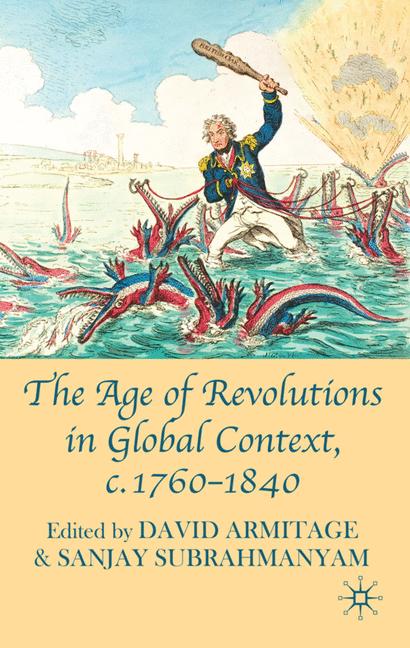 The Age of Revolutions in Global Context, C. 1760-1840David Armitage, Sanjay Subrahmanyam46% match
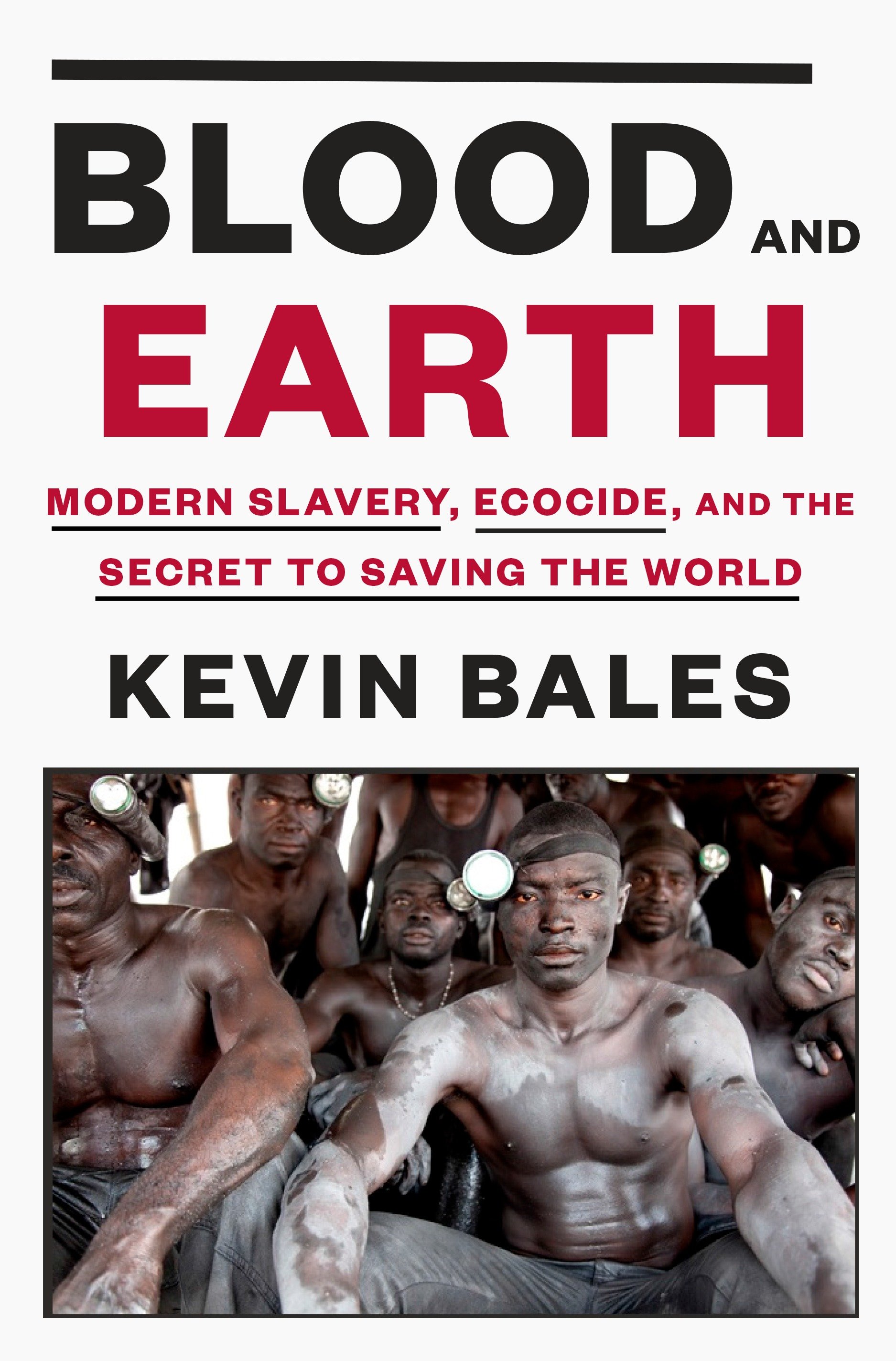 Blood and EarthKevin Bales55% match
 Ages of American CapitalismJonathan Levy52% matchAlso shares Economic History
 Black CapitalistsRachel Laryea, PhD60% match
 A Fistful of ShellsToby Green60% matchAlso shares West African History
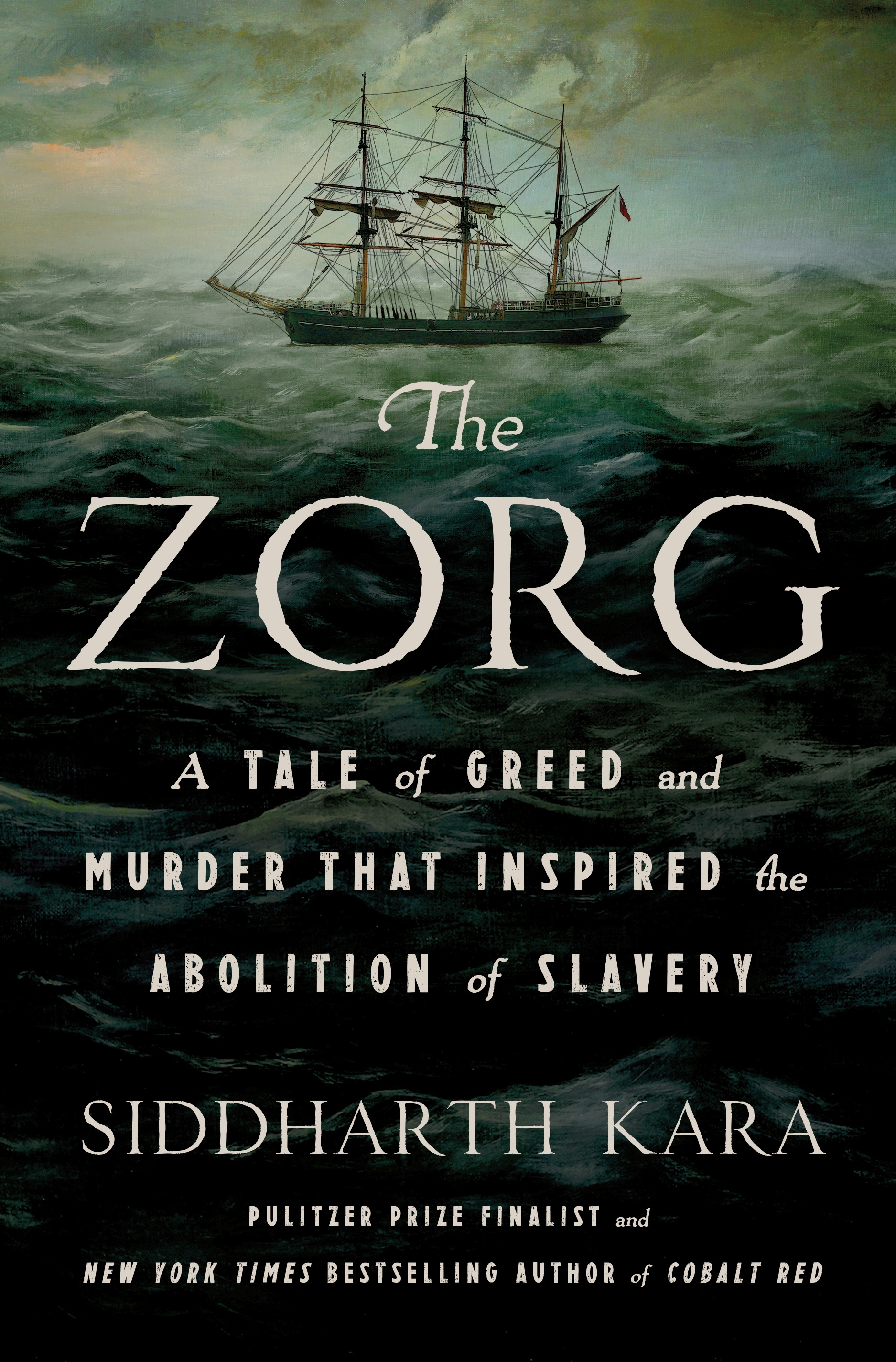 The ZorgSiddharth Kara, Dion Graham60% match
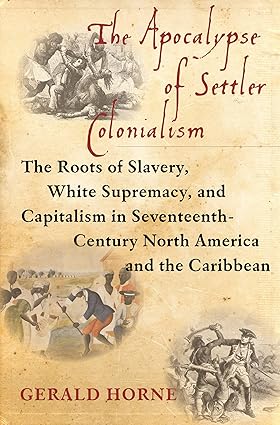 The Apocalypse of Settler ColonialismGerald Horne58% match
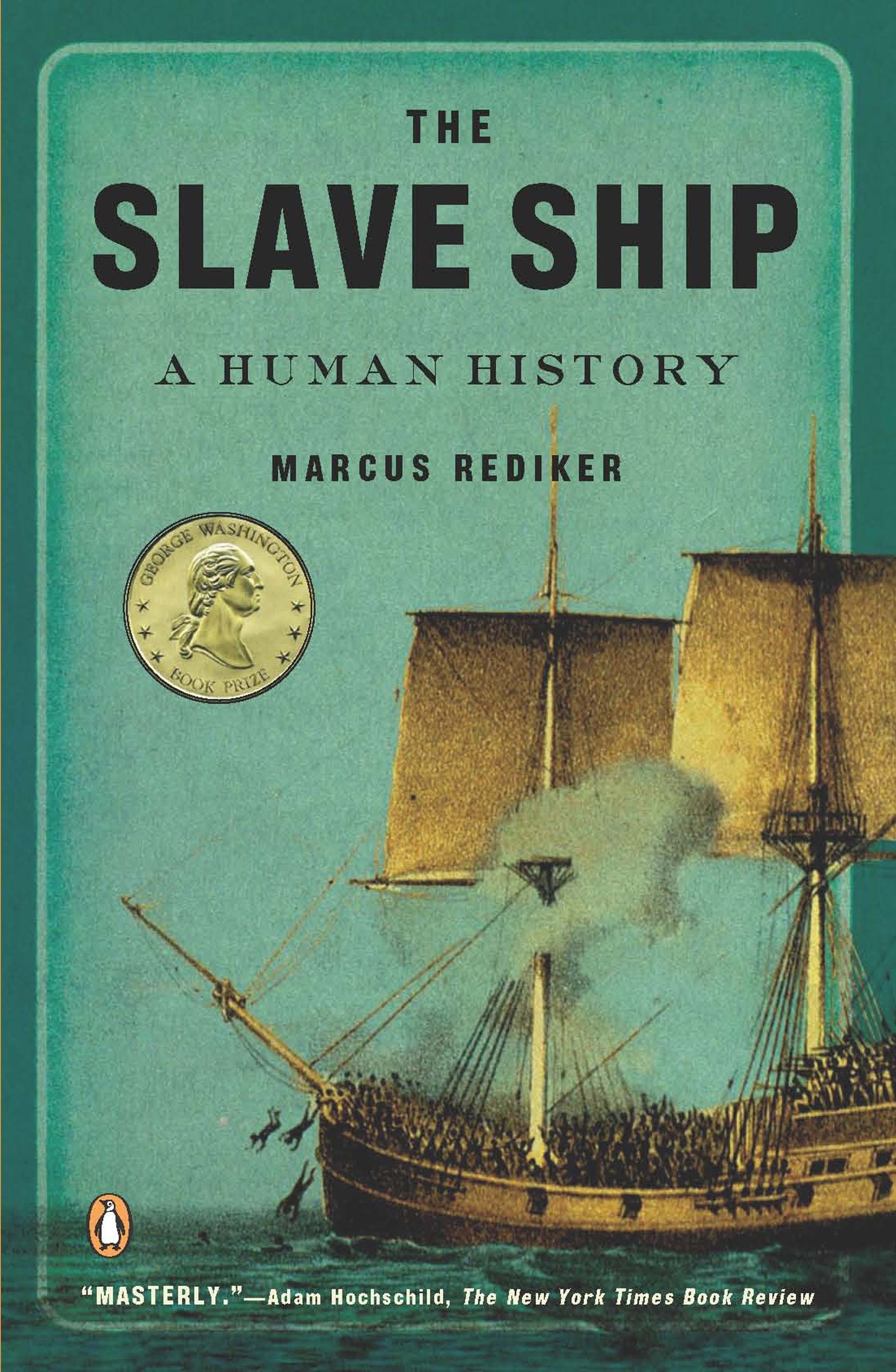 The Slave ShipMarcus Rediker57% match
For younger readers: Sugar Changed the World, Imperialism, The Bitter Side of Sweet
Start with three books, and this one can be the first.
Members get a new edition every morning: a route out from their books to essays, research and talks, with the reason for each.
Start with this bookAbout this book
“Impressive…[Readers] will be rewarded with greater understanding of historical developments that changed the relationship between consumers and producers in a global economy in ways that reverberate to this day.” —Wall Street Journal “Everill repositions West Africa as central to the broader Atlantic story of 18th and 19th century economic morality, its relationship with commercial ethics, and the expansion of capitalism.” —Financial Times “Offers a penetrating new perspective on abolition in the British Empire by spotlighting a particular cast of characters: the commercial abolitionists in West Africa who fashioned a consumer-focused, business-friendly antislavery ethics.
Continue reading
These figures sought to prove the moral and economic superiority of non-slave labor while profiting from the transition away from slavery…Impressive.” —Jacobin “East India Sugar Not Made By Slaves.” With these words inscribed on a sugar bowl, nineteenth-century consumers were reminded of their power to change the global economy. Determined to strike at the heart of the slave trade, abolitionist businesses throughout the Atlantic used new ideas of supply and demand, consumer credit, and branding to make the case for ethical capitalism. Consumers became the moral compass of capitalism as companies in West Africa, including Macaulay & Babington and Brown & Ives, developed clever new tactics to make “legitimate” commerce pay. Yet ethical trade was not without its problems. The search for goods “not made by slaves” unwittingly expanded the reach of colonial enterprises in the relentless pursuit of cheap labor. Not Made by Slaves captures the moral dilemmas roiling the early years of global consumer society and is a stark reminder of the unintended consequences of relying on consumer self-interest to transform global capitalism.
West African Commerce
Abolition-era businesses used consumer credit, branding, and supply and demand to sell ethical trade.
Come here for
- Consumer credit as an abolitionist business tactic
- Branding used to make “legitimate” commerce pay
Expect
- The unintended colonial expansion tied to the search for goods not made by slaves
Where it sits
| West African History | 53% |
|---|---|
| Economic History | 46% |
| Slavery Studies | 28% |
Percentages are BookFrontier’s reading of the book.
Publisher categories
- Economic History
- Civil War Era
- Slavery Studies
- Authors
- Bronwen Everill
- Publisher
- WW Norton
- Published
- February 1, 2023
- Format
- Print & ebook
- Theme
- Ethical capitalism · Abolition and antislavery · Consumerism and colonial labor
- Reading lane
- Economic History