
The Age of Homespun
Objects and Stories in the Creation of an American Myth
Knopf Doubleday Publishing Group · Print & ebook · November 12, 2002
They began their existence as everyday objects, but in the hands of award-winning historian Laurel Thatcher Ulrich, fourteen domestic items from preindustrial America–ranging from a linen tablecloth to an unfinished sock–relinquish their stories and offer profound insights into our history.
We earn from qualifying purchases.
- Who it’s for
- Everyday textiles open a sharp, humane view of how early Americans made meaning and relationships.
- Themes
- Early American material culture, Native-colonial relations, Textiles, identity, and social class
- Genres
- Colonial America (to 1775), Social History, Textile & Costume Design
Nearest books
Matched by what the books are about, then ordered by what their readers also loved. Most of these share its genre: Social History.
 The People SpeakHoward Zinn50% match
 Good WivesLaurel Thatcher Ulrich56% matchAlso shares Colonial America (to 1775)
 In Small Things ForgottenJames Deetz66% matchAlso shares Colonial America (to 1775)
 WornSofi Thanhauser, Rebecca Lowman63% matchAlso shares Textile & Costume Design
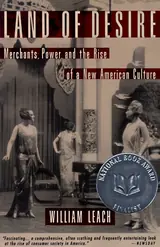 Land of DesireWilliam R. Leach59% match
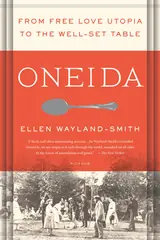 OneidaEllen Wayland-Smith59% match
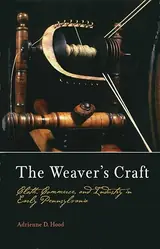 The Weaver's CraftAdrienne D. Hood58% matchAlso shares Colonial America (to 1775)
For younger readers: Women of Colonial America, Tales of the Enchanted Islands of the Atlantic, Imperialism
Start with three books, and this one can be the first.
Members get a new edition every morning: a route out from their books to essays, research and talks, with the reason for each.
Start with this bookAbout this book
They began their existence as everyday objects, but in the hands of award-winning historian Laurel Thatcher Ulrich, fourteen domestic items from preindustrial America–ranging from a linen tablecloth to an unfinished sock–relinquish their stories and offer profound insights into our history. In an age when even meals are rarely made from scratch, homespun easily acquires the glow of nostalgia.
Continue reading
The objects Ulrich investigates unravel those simplified illusions, revealing important clues to the culture and people who made them. Ulrich uses an Indian basket to explore the uneasy coexistence of native and colonial Americans. A piece of silk embroidery reveals racial and class distinctions, and two old spinning wheels illuminate the connections between colonial cloth-making and war. Pulling these divergent threads together, Ulrich demonstrates how early Americans made, used, sold, and saved textiles in order to assert their identities, shape relationships, and create history.
History in the Hem
Everyday textiles open a sharp, humane view of how early Americans made meaning and relationships.
Come here for
- Domestic objects with more to say than their humble materials suggest
- A close look at identity, labor, and uneasy cultural encounters
Expect
- Fourteen objects treated as clues to a larger history
- A thoughtful untangling of homespun nostalgia
Where it sits
| Social History | 61% |
|---|---|
| Colonial America (to 1775) | 51% |
| Textile & Costume Design | 48% |
Percentages are BookFrontier’s reading of the book.
Publisher categories
- Antiques & Collectibles
- U.S. History
- How Cultures Work
- Authors
- Laurel Thatcher Ulrich
- Publisher
- Knopf Doubleday Publishing Group
- Published
- November 12, 2002
- Format
- Print & ebook
- Theme
- Early American material culture · Native-colonial relations · Textiles, identity, and social class
- Reading lane
- Antiques & Collectibles