
Cutting Into the Meatpacking Line
Workers and Change in the Rural Midwest
The University of North Carolina Press · Print & ebook · April 6, 1998
The nostalgic vision of a rural Midwest populated by independent family farmers hides the reality that rural wage labor has been integral to the region’s development, says Deborah Fink.
We earn from qualifying purchases.
- Who it’s for
- Deborah Fink examines how porkpacking shaped Iowa’s rural working class and state life.
- Themes
- Rural working-class formation, Gender and ethnic divisions in labor, Union action
- Genres
- Rural Life, Social Class, Labor & Industrial Relations
Nearest books
Matched by what the books are about, then ordered by what their readers also loved.
 PorkopolisAlex Blanchette63% match
 The ChainTed Genoways60% matchShares Labor & Industrial Relations
 SlaughterhouseGail A. Eisnitz56% matchShares Labor & Industrial Relations
 Feeding a Divided AmericaGilles Stockton55% matchShares Rural Life
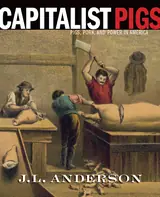 Capitalist PigsJ. L. Anderson53% match
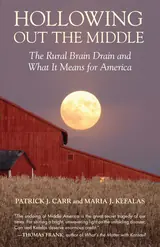 Hollowing Out the MiddlePatrick J. Carr, Maria J. Kefalas52% matchShares Rural Life
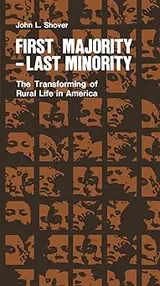 First Majority-last MinorityJohn Shover52% match
For younger readers: Shift Happens: the History of Labor in the United States, Farming Is Female
Start with three books, and this one can be the first.
Members get a new edition every morning: a route out from their books to essays, research and talks, with the reason for each.
Start with this bookAbout this book
The nostalgic vision of a rural Midwest populated by independent family farmers hides the reality that rural wage labor has been integral to the region’s development, says Deborah Fink. Focusing on the porkpacking industry in Iowa, Fink investigates the experience of the rural working class and highlights its significance in shaping the state’s economic, political, and social contours.
Continue reading
Fink draws both on interviews and on her own firsthand experience working on the production floor of a pork-processing plant. She weaves a fascinating account of the meatpacking industry’s history in Iowa — a history, she notes, that has been experienced differently by male and female, immigrant and native-born, white and black workers. Indeed, argues Fink, these differences are a key factor in the ongoing creation of the rural working class. Other writers have denounced the new meatpacking companies for their ruthless destruction of both workers and communities. Fink sustains this criticism, which she augments with a discussion of union action, but also goes beyond it. She looks within rural midwestern culture itself to examine the class, gender, and ethnic contradictions that allowed — indeed welcomed — the meatpacking industry’s development.
Iowa Porkpacking Labor
Deborah Fink examines how porkpacking shaped Iowa’s rural working class and state life.
Come here for
- A history of Iowa’s meatpacking industry
- Workers’ differing experiences across gender, immigration, race, and birthplace
Expect
- Interviews and Fink’s firsthand production-floor experience
- Discussion of union action and rural cultural contradictions
Where it sits
| Rural Life | 66% |
|---|---|
| Social Class | 21% |
| Labor & Industrial Relations | 18% |
Percentages are BookFrontier’s reading of the book.
Publisher categories
- Rural Life
- Authors
- Deborah Fink
- Publisher
- The University of North Carolina Press
- Published
- April 6, 1998
- Format
- Print & ebook
- Theme
- Rural working-class formation · Gender and ethnic divisions in labor · Union action
- Reading lane
- Rural Life