
Japanese Counterculture
The Antiestablishment Art of Terayama Shuji
University of Minnesota Press · Print & ebook · January 4, 2011
Terayama Shuji (1935-1983) was an avant-garde Japanese poet, dramatist, film director, and photographer known for his highly provocative work.
We earn from qualifying purchases.
- Who it’s for
- Steven Ridgely traces Terayama Shuji’s art across postwar Japanese culture and its shifting artistic scenes.
- Themes
- Postwar Japanese art and culture, Art that sidesteps power structures, Otherness as a lens on reality
- Genres
- Japanese Art, Japanese Plays, Japanese Literary Criticism
Nearest books
Matched by what the books are about, then ordered by what their readers also loved. Most of these share its genre: Japanese Literary Criticism.
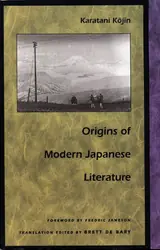 Origins of Modern Japanese LiteratureKojin Karatani52% match
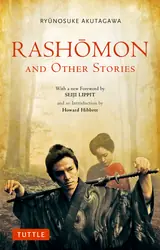 Rashomon and Other StoriesRyunosuke Akutagawa51% match
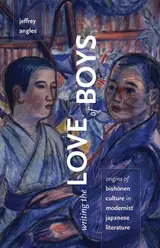 Writing the Love of BoysJeffrey Angles50% match
For younger readers: A Line Can Go Anywhere, Samurai Shortstop, Manga Shakespeare
Start with three books, and this one can be the first.
Members get a new edition every morning: a route out from their books to essays, research and talks, with the reason for each.
Start with this bookAbout this book
Terayama Shuji (1935-1983) was an avant-garde Japanese poet, dramatist, film director, and photographer known for his highly provocative work. In this inventive and revealing work, Steven Ridgely examines Terayama's life and art to show that a conventional notion of him does not do full justice to the meaning and importance of his wide-ranging, often playful body of work.
Continue reading
Ridgely places Terayama at the center of Japanese and global counterculture and finds in his work a larger story about the history of postwar Japanese art and culture. He sees Terayama as reflecting the most significant events of his day: young poets seizing control of haiku and tanka in the 1950s, radio drama experimenting with form and content after the cultural shift to television around 1960, young assistant directors given free rein in the New Wave as cinema combated television, underground theatre in the politicized late 1960s, and experimental short film through the 1970s after both the studio system and art house cinema had collapsed. Featuring close readings of Terayama's art, Ridgely demonstrates how across his oeuvre there are patterns that sidestep existing power structures, never offering direct opposition but nevertheless making the opposition plain. And, he claims, there is always in Terayama's work a broad call for seeking out or creating pockets of fiction-where we are made aware that things are not what they seem-and to use otherness in those spaces to take a clearer view of reality.
Terayama’s Art
Steven Ridgely traces Terayama Shuji’s art across postwar Japanese culture and its shifting artistic scenes.
Come here for
- Close readings of Terayama Shuji’s art
- Postwar Japanese poetry, radio drama, theatre, and film
Expect
- A view of art that sidesteps power structures
- Terayama’s work considered across poetry, drama, theatre, and film
Where it sits
| Japanese Art | 35% |
|---|---|
| Japanese Literary Criticism | 29% |
| Japanese Plays | 28% |
Percentages are BookFrontier’s reading of the book.
Publisher categories
- Japanese Literary Criticism
- Drama Criticism
- Authors
- Steven C. Ridgely
- Publisher
- University of Minnesota Press
- Published
- January 4, 2011
- Format
- Print & ebook
- Theme
- Postwar Japanese art and culture · Art that sidesteps power structures · Otherness as a lens on reality
- Reading lane
- Japanese Literary Criticism