
Writing the Love of Boys
Origins of Bishonen Culture in Modernist Japanese Literature
University of Minnesota Press · Print & ebook · February 28, 2011
Despite its centuries-long tradition of literary and artistic depictions of love between men, around the fin de siècle Japanese culture began to portray same-sex desire as immoral.
We earn from qualifying purchases.
- Who it’s for
- Japanese writers between the world wars challenged the pathologizing of desire between men.
- Themes
- Male–male desire in literature, Literary challenges to stigma, Bishonen manga's cultural roots
- Genres
- Japanese Literary Criticism, Queer Literary Criticism, Gay Studies
Nearest books
Matched by what the books are about, then ordered by what their readers also loved. Most of these share its genre: Japanese Literary Criticism.
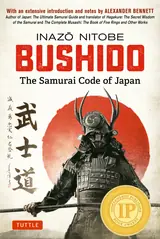 Bushido: the Samurai Code of JapanInazo Nitobe, Alexander Bennett45% match
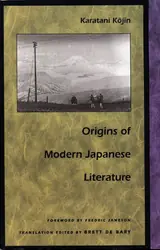 Origins of Modern Japanese LiteratureKojin Karatani59% match
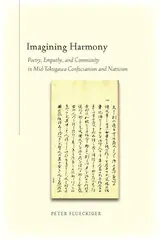 Imagining HarmonyPeter Flueckiger55% match
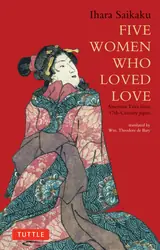 Five Women Who Loved LoveIhara Saikaku55% match
 Robot Ghosts and Wired DreamsChristopher Bolton, Istvan Csicsery-Ronay, Jr.54% match
For younger readers: Go, Samurai Shortstop, Love & Sex
Start with three books, and this one can be the first.
Members get a new edition every morning: a route out from their books to essays, research and talks, with the reason for each.
Start with this bookAbout this book
Despite its centuries-long tradition of literary and artistic depictions of love between men, around the fin de siècle Japanese culture began to portray same-sex desire as immoral. Writing the Love of Boys looks at the response to this mindset during the critical era of cultural ferment between the two world wars as a number of Japanese writers challenged the idea of love and desire between men as pathological.
Continue reading
Jeffrey Angles focuses on key writers, examining how they experimented with new language, genres, and ideas to find fresh ways to represent love and desire between men. He traces the personal and literary relationships between contemporaries such as the poet Murayama Kaita, the mystery writers Edogawa Ranpo and Hamao Shiro, the anthropologist Iwata Jun’ichi, and the avant-garde innovator Inagaki Taruho. Writing the Love of Boys shows how these authors interjected the subject of male–male desire into discussions of modern art, aesthetics, and perversity. It also explores the impact of their efforts on contemporary Japanese culture, including the development of the tropes of male homoeroticism that recur so often in Japanese girls’ manga about bishonen love.
Interwar Literary Experiments
Japanese writers between the world wars challenged the pathologizing of desire between men.
Come here for
- Writers’ experiments with language, genres, and ideas
- Connections to modern art, aesthetics, and perversity
Expect
- Literary relationships among Murayama Kaita, Edogawa Ranpo, and other contemporaries
- A link between modernist literature and bishonen manga tropes
Where it sits
| Queer Literary Criticism | 78% |
|---|---|
| Japanese Literary Criticism | 53% |
| Gay Studies | 43% |
Percentages are BookFrontier’s reading of the book.
Publisher categories
- Queer Literary Criticism
- Japanese Literary Criticism
- Authors
- Jeffrey Angles
- Publisher
- University of Minnesota Press
- Published
- February 28, 2011
- Format
- Print & ebook
- Theme
- Male–male desire in literature · Literary challenges to stigma · Bishonen manga's cultural roots
- Reading lane
- Queer Literary Criticism