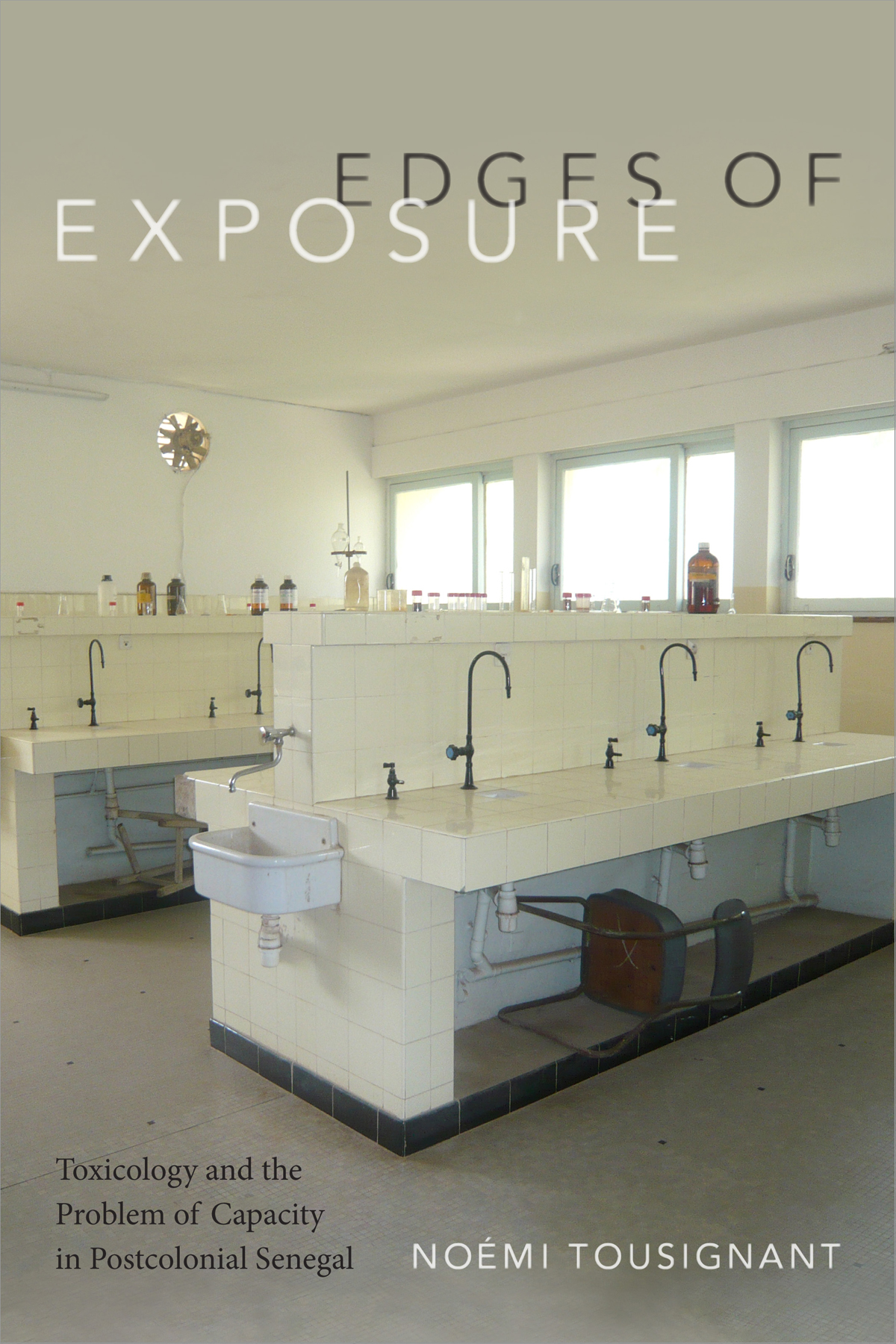
Edges of Exposure
Toxicology and the Problem of Capacity in Postcolonial Senegal
Duke University Press · Print & ebook · May 11, 2018
In the industrialized nations of the global North, well-funded agencies like the CDC attend to citizens' health, monitoring and treating for toxic poisons like lead.
We earn from qualifying purchases.
- Who it’s for
- Senegalese toxicologists confront heavy metals and other poisons amid constraints on research capacity.
- Themes
- Toxicology and public health, Postcolonial science and regulation, Capacity for scientific research
- Genres
- Toxicology, Colonialism & Its Aftermath, Public Health
Nearest books
Matched by what the books are about, then ordered by what their readers also loved.
 Improvising MedicineJulie Livingston48% match
 Antiblackness and Global HealthLioba Hirsch54% matchShares Colonialism & Its Aftermath and Public Health
 Cooking DataCal (Crystal) Biruk51% matchShares Public Health
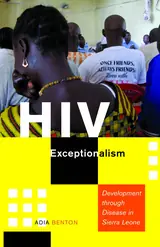 HIV ExceptionalismAdia Benton51% match
For younger readers: Secret of the Yellow Death
Start with three books, and this one can be the first.
Members get a new edition every morning: a route out from their books to essays, research and talks, with the reason for each.
Start with this bookAbout this book
In the industrialized nations of the global North, well-funded agencies like the CDC attend to citizens' health, monitoring and treating for toxic poisons like lead. How do the under-resourced nations of the global South meet such challenges? In Edges of Exposure, Noémi Tousignant traces the work of toxicologists in Senegal as they have sought to warn of and remediate the presence of heavy metals and other poisons in their communities.
Continue reading
Situating recent toxic scandals within histories of science and regulation in postcolonial Africa, Tousignant shows how decolonization and structural adjustment have impacted toxicity and toxicology research. Ultimately, as Tousignant reveals, scientists' capacity to conduct research—as determined by material working conditions, levels of public investment, and their creative but not always successful efforts to make visible the harm of toxic poisons—affects their ability to keep equipment, labs, projects, and careers going.
Toxicology in Senegal
Senegalese toxicologists confront heavy metals and other poisons amid constraints on research capacity.
Come here for
- Toxicologists’ efforts to warn of and remediate heavy metals and other poisons
- Science and regulation histories shaped by decolonization and structural adjustment
Expect
- Material working conditions and public investment as limits on research
- Efforts to make toxic harm visible, with uneven success
Where it sits
| Toxicology | 59% |
|---|---|
| Colonialism & Its Aftermath | 40% |
| Public Health | 20% |
Percentages are BookFrontier’s reading of the book.
Publisher categories
- West African History
- Science & Society
- How Cultures Work
- Authors
- Noémi Tousignant
- Publisher
- Duke University Press
- Published
- May 11, 2018
- Format
- Print & ebook
- Theme
- Toxicology and public health · Postcolonial science and regulation · Capacity for scientific research
- Reading lane
- West African History