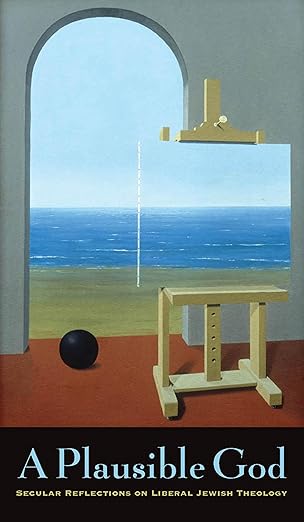
A Plausible God
Secular Reflections on Liberal Jewish Theology
Fordham University Press · Print & ebook · November 15, 2006
At least since the seventeenth century, the traditional God of Judaism, Christianity, and Islam has been under pressure to conform to the scientific worldview.
We earn from qualifying purchases.
- Who it’s for
- An examination of liberal Jewish theology weighs naturalistic belief against disbelief in any gods.
- Genres
- Religion & Science, Jewish Theology, Atheism
- Published
- Fordham University Press, November 15, 2006
Nearest books
Matched by what the books are about, then ordered by what their readers also loved. Most of these share its genre: Jewish Theology.
 Reform Judaism and DarwinDaniel Langton63% matchAlso shares Religion & Science
 God-talkDavid Novak62% match
 Modern Conservative JudaismRabbi Elliot N. Dorff, Rabbi Julie Schonfeld61% match
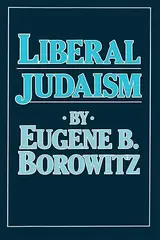 Liberal JudaismBehrman House, Eugene B. Borowitz60% match
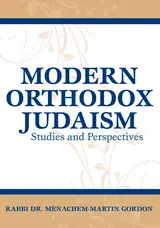 Modern Orthodox JudaismMenachem-Martin Gordon60% match
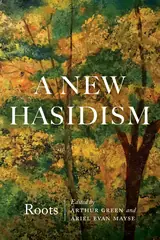 A New Hasidism: RootsArthur Green, Ariel Evan Mayse59% match
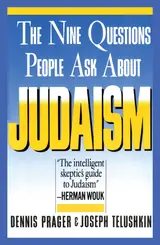 Nine Questions People Ask About JudaismDennis Prager, Joseph Telushkin59% match
 If There Is No GodDennis Prager58% matchAlso shares Atheism
For younger readers: Tough Questions Jews Ask 2/e, No God But God: the Origins and Evolution of Islam
Start with three books, and this one can be the first.
Members get a new edition every morning: a route out from their books to essays, research and talks, with the reason for each.
Start with this bookAbout this book
At least since the seventeenth century, the traditional God of Judaism, Christianity, and Islam has been under pressure to conform to the scientific worldview. Across the monotheistic traditions there has emerged a “liberal” conception of God compatible with a thoroughgoing naturalism. For many, this liberal “new” God is the only credible God. But is it a useful God?
Continue reading
Does belief in so malleable a deity come from, or lead to, different political, moral, psychological, or aesthetic phenomena from atheism? A Plausible God evaluates the new God by analyzing the theology of three recent Jewish thinkers —Mordechai Kaplan, Michael Lerner, and Arthur Green—and compares faith in the new God to disbelief in any gods. Mitchell Silver reveals what is at stake in the choice between naturalistic liberal theology and a nontheistic naturalism without gods. Silver poses the question: “If it is to be either the new God or no God, what does—what should—determine the choice?” Although Jewish thinkers are used as the primary exemplars of new God theology, Silver explores developments in contemporary Christian thought, Eastern religious traditions, and “New Age” religion. A Plausible God constitutes a significant contribution to current discussions of the relationship between science and religion, as well as to discussions regarding the meaning of the idea of God itself in modern life.
The New God
An examination of liberal Jewish theology weighs naturalistic belief against disbelief in any gods.
Come here for
- Theologies of Mordechai Kaplan, Michael Lerner, and Arthur Green
- Comparisons between faith in a new God and disbelief in gods
Expect
- Discussion of contemporary Christian thought
- Exploration of Eastern religious traditions and New Age religion
Where it sits
| Religion & Science | 87% |
|---|---|
| Atheism | 34% |
| Jewish Theology | 33% |
Percentages are BookFrontier’s reading of the book.
Publisher categories
- Judaism
- Reform Judaism
- Authors
- Mitchell Silver
- Publisher
- Fordham University Press
- Published
- November 15, 2006
- Format
- Print & ebook
- Reading lane
- Judaism