
Right of the Dial
The Rise of Clear Channel and the Fall of Commercial Radio
Farrar Straus & Giroux · Print & ebook · April 14, 2009
In Right of the Dial, Alec Foege explores how the mammoth media conglomerate Clear Channel Communications evolved from a local radio broadcasting operation, founded in 1972, into one of the biggest, most profitable, and most polarizing corporations in the country.
We earn from qualifying purchases.
- Who it’s for
- Alec Foege traces Clear Channel’s rise, reach, and unraveling across American media.
- Genres
- Media & Communications, The Music Business, Entertainment Industry
- Published
- Farrar Straus & Giroux, April 14, 2009
Nearest books
Matched by what the books are about, then ordered by what their readers also loved.
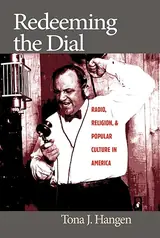 Redeeming the DialTona J. Hangen59% match
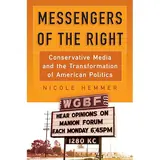 Messengers of the RightNicole Hemmer56% match
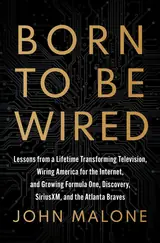 Born to Be WiredJohn Malone54% matchShares Media & Communications and Entertainment Industry
 The Loudest Voice in the RoomGabriel Sherman54% match
 Broadcasting FreedomBarbara Dianne Savage53% match
 God Gave Rock and Roll to YouLeah Payne52% match
For younger readers: Spooked!
Start with three books, and this one can be the first.
Members get a new edition every morning: a route out from their books to essays, research and talks, with the reason for each.
Start with this bookAbout this book
In Right of the Dial, Alec Foege explores how the mammoth media conglomerate Clear Channel Communications evolved from a local radio broadcasting operation, founded in 1972, into one of the biggest, most profitable, and most polarizing corporations in the country.
Continue reading
During its heyday, critics accused Clear Channel, the fourth-largest media company in the United States and the nation's largest owner of radio stations, of ruining American pop culture and cited it as a symbol of the evils of media monopolization, while fans hailed it as a business dynamo, a beacon of unfettered capitalism. What's undeniable is that as the owner at one point of more than 1,200 radio stations, 130 major concert venues and promoters, 770,000 billboards, and 41 television stations, Clear Channel dominated the entertainment world in ways that MTV and Disney could only dream of. But in the fall of 2006, after years of public criticism and flattening stock prices, Goliath finally tumbled—Clear Channel Communications, Inc., spun off its entertainment division and plotted to sell off one-third of its radio stations and all of its television concerns, and to transfer ownership of the rest of its holdings to a consortium of private equity firms. The move signaled the end of an era in media consolidation, and in Right of the Dial, Foege takes stock of the company's successes and abuses, showing the manner in which Clear Channel reshaped America's cultural and corporate landscape along the way.
Clear Channel’s Reach
Alec Foege traces Clear Channel’s rise, reach, and unraveling across American media.
Come here for
- Clear Channel’s expansion from local radio to a national media conglomerate
- Its successes, abuses, and influence on America’s cultural and corporate landscape
Expect
- The company’s 2006 restructuring and planned asset sales
- A look at media consolidation through one company’s trajectory
Where it sits
| Media & Communications | 52% |
|---|---|
| The Music Business | 39% |
| Entertainment Industry | 32% |
Percentages are BookFrontier’s reading of the book.
Publisher categories
- Media & Communications
- Pop Culture Studies
- Authors
- Alec Foege
- Publisher
- Farrar Straus & Giroux
- Published
- April 14, 2009
- Format
- Print & ebook
- Reading lane
- Media & Communications