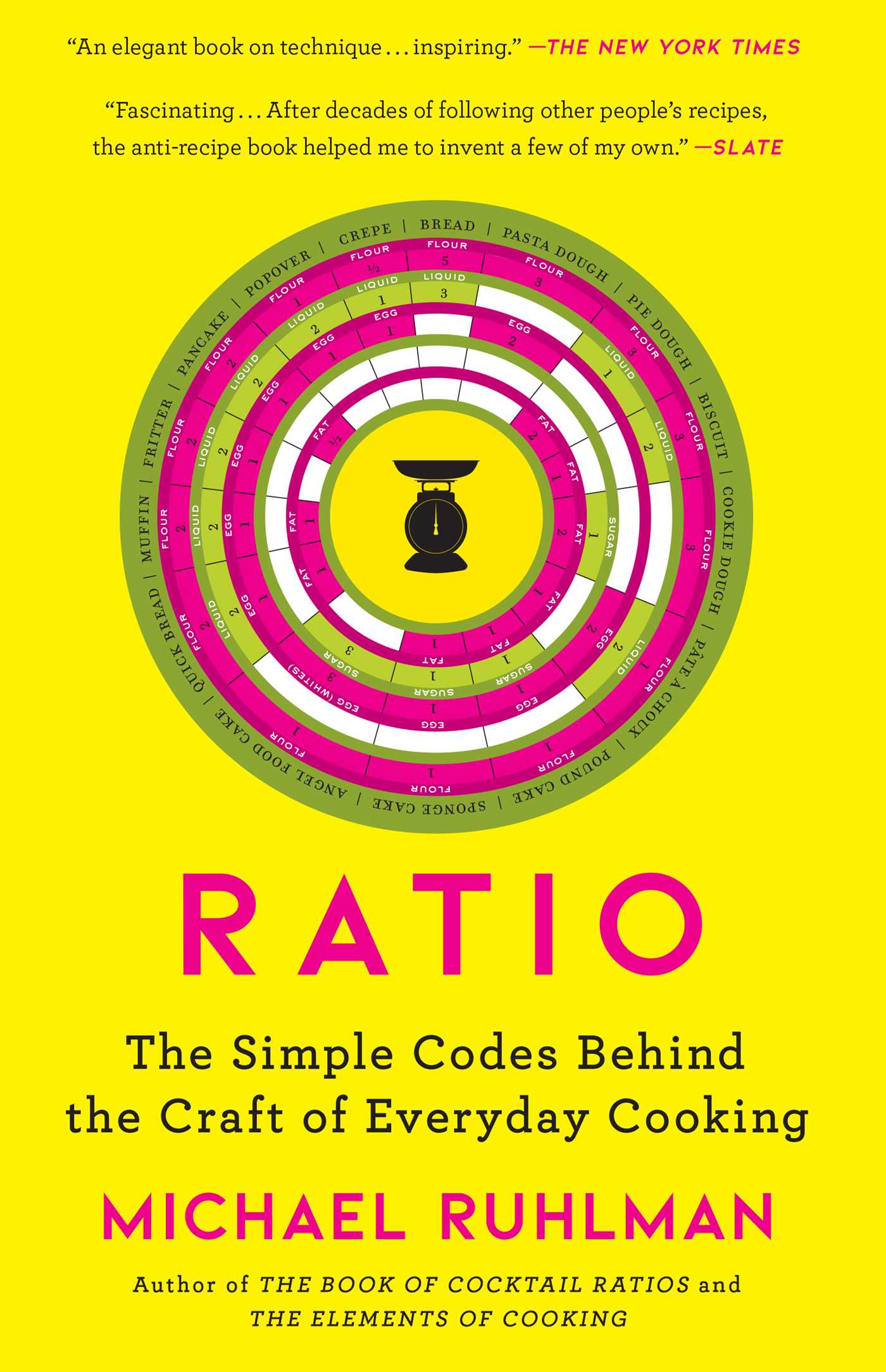
Ratio
The Simple Codes Behind the Craft of Everyday Cooking
Scribner · Print & ebook · September 7, 2010
Michael Ruhlman’s groundbreaking New York Times bestseller gets at the very “truth” of cooking: it is not about recipes but rather about basic ratios and fundamental techniques.
We earn from qualifying purchases.
- Who it’s for
- A tidy way into everyday cooking, with enough craft to keep the page open.
- Themes
- Cooking fundamentals, Culinary ratios, Recipe simplification
- Pacing
- Steady
Nearest books
Matched by what the books are about, then ordered by what their readers also loved.
 How Not to Get SickBenjamin Bikman, Diana Keuilian49% match
 CoastalScott Clark, Betsy Andrews50% match
 Artisan Sourdough Made SimpleEmilie Raffa58% matchShares Cooking Resources and Baking
 Betty Crocker Found RecipesBetty Crocker49% match
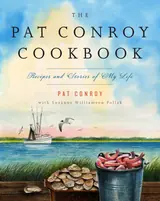 The Pat Conroy CookbookPat Conroy, Suzanne Williamson Pollak52% match
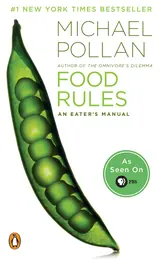 Food RulesMichael Pollan65% matchShares Cooking Resources
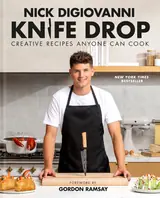 Knife DropNick DiGiovanni63% match
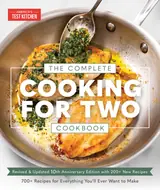 The Complete Cooking for Two Cookbook, 10th Anniversary EditionAmerica's Test Kitchen62% matchShares Cooking Resources
For younger readers: The Best Kids Cookbook, Kids Can Cook Anything!, The Complete Cookbook for Young Scientists
Start with three books, and this one can be the first.
Members get a new edition every morning: a route out from their books to essays, research and talks, with the reason for each.
Start with this bookAbout this book
Michael Ruhlman’s groundbreaking New York Times bestseller gets at the very “truth” of cooking: it is not about recipes but rather about basic ratios and fundamental techniques. Ratios are the simple proportions of one ingredient to another. Knowing a culinary ratio is not like knowing a single recipe; it’s instantly knowing a thousand. Why spend time sorting through millions of cookie recipes online or in cookbooks? Isn’t it easier to remember 1:2:3?
Continue reading
That’s the ratio of ingredients that consistently make a basic, delicious cookie dough: 1 part sugar, 2 parts fat, and 3 parts flour. From there, add anything you want—chocolate, orange zest, walnuts, cinnamon, almond extract, or peanut butter, to name a few favorite variations. Replace white sugar with brown for a darker, chewier cookie. Add baking powder and/or eggs for a lighter, airier texture. Biscuit dough is 3:1:2—or 3 parts flour, 1 part fat, and 2 parts liquid. Vinaigrette is 3:1, or 3 parts oil to 1 part vinegar, and is one of the most useful sauces imaginable, giving everything from grilled meats and fish to steamed vegetables or lettuces fabulous flavor. Change its ratio and bread dough becomes pasta dough; cakes become muffins become popovers become crepes. Once you know the ratio, you no longer need a recipe. Ratio also helpfully teaches readers how the fundamental ingredients of the kitchen—water, flour, butter and oils, milk and cream, and eggs—work together. In a world full of overly complicated recipes, award-winning author Michael Ruhlman delivers an innovative, straightforward book that makes the cooking easier and more satisfying than ever.
Kitchen Basics
A tidy way into everyday cooking, with enough craft to keep the page open.
Come here for
- clear kitchen ratios
- practical, accessible guidance
Expect
- skill-building over fuss
- easy-to-grasp structure
Where it sits
| Cooking Resources | 80% |
|---|---|
| Baking | 56% |
| Cooking Techniques | 45% |
Percentages are BookFrontier’s reading of the book.
Publisher categories
- Baking
- Cooking Techniques
- Cooking Resources
- Authors
- Michael Ruhlman
- Publisher
- Scribner
- Published
- September 7, 2010
- Format
- Print & ebook
- Theme
- Cooking fundamentals · Culinary ratios · Recipe simplification
- Reading lane
- Baking