
Trust Me, I'm Lying
Confessions of a Media Manipulator
Penguin Publishing Group · Print & ebook · July 2, 2013
The cult classic that predicted the rise of fake news—revised and updated for the post-Trump, post-Gawker age.
We earn from qualifying purchases.
- Who it’s for
- Ryan Holiday pulls back the curtain on media manipulation and the economics that help rumors travel.
- Genres
- Public Relations, How Media Works, Propaganda
- Published
- Penguin Publishing Group, July 2, 2013
Nearest books
Matched by what the books are about, then ordered by what their readers also loved.
 Revenge of the Tipping PointMalcolm Gladwell, Little, Brown & Company60% match
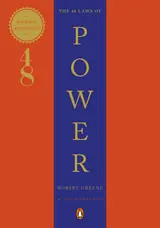 The 48 Laws of PowerRobert Greene53% match
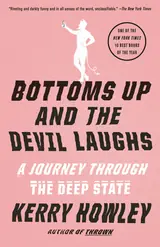 Bottoms Up and the Devil LaughsKerry Howley54% match
For younger readers: True or False, What the Fact?, Big Lies
Start with three books, and this one can be the first.
Members get a new edition every morning: a route out from their books to essays, research and talks, with the reason for each.
Start with this bookAbout this book
The cult classic that predicted the rise of fake news—revised and updated for the post-Trump, post-Gawker age. Hailed as "astonishing and disturbing" by the Financial Times and "essential reading" by TechCrunch at its original publication, former American Apparel marketing director Ryan Holiday’s first book sounded a prescient alarm about the dangers of fake news. It's all the more relevant today.
Continue reading
Trust Me, I’m Lying was the first book to blow the lid off the speed and force at which rumors travel online—and get "traded up" the media ecosystem until they become real headlines and generate real responses in the real world. The culprit? Marketers and professional media manipulators, encouraged by the toxic economics of the news business. Whenever you see a malicious online rumor costs a company millions, politically motivated fake news driving elections, a product or celebrity zooming from total obscurity to viral sensation, or anonymously sourced articles becoming national conversation, someone is behind it. Often someone like Ryan Holiday. As he explains, “I wrote this book to explain how media manipulators work, how to spot their fingerprints, how to fight them, and how (if you must) to emulate their tactics. Why am I giving away these secrets? Because I’m tired of a world where trolls hijack debates, marketers help write the news, opinion masquerades as fact, algorithms drive everything to extremes, and no one is accountable for any of it. I’m pulling back the curtain because it’s time the public understands how things really work. What you choose to do with this information is up to you.”
How Stories Spread
Ryan Holiday pulls back the curtain on media manipulation and the economics that help rumors travel.
Come here for
- A close look at how rumors climb from online chatter to real headlines
- The uneasy overlap of marketing, media incentives, and manipulation
Expect
- A sharp, unsettling account of how online stories gain force
- An insider’s perspective on spotting—and sometimes using—manipulative tactics
Where it sits
| Public Relations | 46% |
|---|---|
| How Media Works | 30% |
| Propaganda | 30% |
Percentages are BookFrontier’s reading of the book.
Publisher categories
- Media & Communications
- Blogs & Blogging
- How Media Works
- Authors
- Ryan Holiday
- Publisher
- Penguin Publishing Group
- Published
- July 2, 2013
- Format
- Print & ebook
- Reading lane
- Media & Communications