
Civilization
The West and the Rest
Penguin Press HC, The · Print & ebook · November 1, 2011
Western civilization’s rise to global dominance is the single most important historical phenomenon of the past five centuries.
We earn from qualifying purchases.
- Who it’s for
- A brisk way to think about the West, its rivals, and the terms of the argument.
- Genres
- Civilizations, World History, International Relations
- Published
- Penguin Press HC, The, November 1, 2011
Nearest books
Matched by what the books are about, then ordered by what their readers also loved.
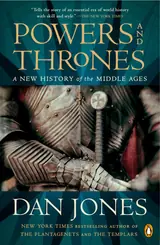 Powers and ThronesDan Jones64% matchShares World History
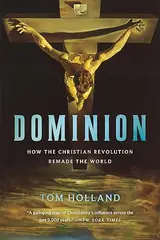 DominionTom Holland58% matchShares Civilizations
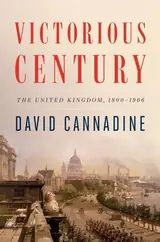 Victorious CenturyDavid Cannadine, Kris Dyer55% match
 Unintended ReformationBrad S. Gregory53% match
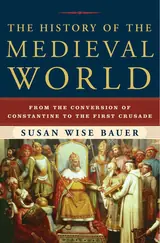 The History of the Medieval WorldSusan Wise Bauer59% matchShares Civilizations
 From Dawn to Decadence: 1500 to the PresentJacques Barzun67% matchShares Civilizations
For younger readers: Imperialism, Unstoppable US, Volume 2: Why the World Isn't Fair, Story of the World, Vol. 4 Revised Edition
Start with three books, and this one can be the first.
Members get a new edition every morning: a route out from their books to essays, research and talks, with the reason for each.
Start with this bookAbout this book
Western civilization’s rise to global dominance is the single most important historical phenomenon of the past five centuries. All over the world, more and more people study at Western-style universities, work for Western-style companies, vote for Western-style governments, take Western medicines, wear Western clothes, and play Western sports.
Continue reading
Yet six hundred years ago the petty kingdoms of Western Europe seemed like miserable backwaters, ravaged by incessant war and pestilence. It was Ming China or Ottoman Turkey that had the look of world civilizations. How did the West overtake its Eastern rivals? And has the zenith of Western power now passed? In Civilization: The West and the Rest, acclaimed historian Niall Ferguson argues that, beginning in the fifteenth century, the West developed six powerful new concepts that the Rest lacked: competition, science, the rule of law, modern medicine, consumerism, and the work ethic. These were the ‘killer applications’ that allowed the West to leap ahead of the Rest; opening global trade routes, exploiting new scientific knowledge, evolving representative government, more than doubling life expectancy, unleashing the industrial revolution, and hugely increasing human productivity. Civilization shows exactly how a dozen Western empires came to control three-fifths of mankind and four-fifths of the world economy. Yet now, Ferguson argues, the days of Western predominance are numbered because the Rest have finally downloaded the six killer apps the West once monopolized – while the West has literally lost faith in itself. Chronicling the rise and fall of empires alongside the clashes of civilizations, Civilization recasts world history with verve and wit. Boldly argued but also teeming with memorable characters, this is Ferguson at his very best.
Big Questions
A brisk way to think about the West, its rivals, and the terms of the argument.
Come here for
- Civilization, treated as history and social theory
- A clean, category-friendly way into a big argument
Expect
- Analytical, cross-disciplinary framing
- Teaching-friendly structure
Where it sits
| Civilizations | 81% |
|---|---|
| World History | 39% |
| International Relations | 33% |
Percentages are BookFrontier’s reading of the book.
Publisher categories
- Civilizations
- Authors
- Niall Ferguson
- Publisher
- Penguin Press HC, The
- Published
- November 1, 2011
- Format
- Print & ebook
- Reading lane
- Civilizations