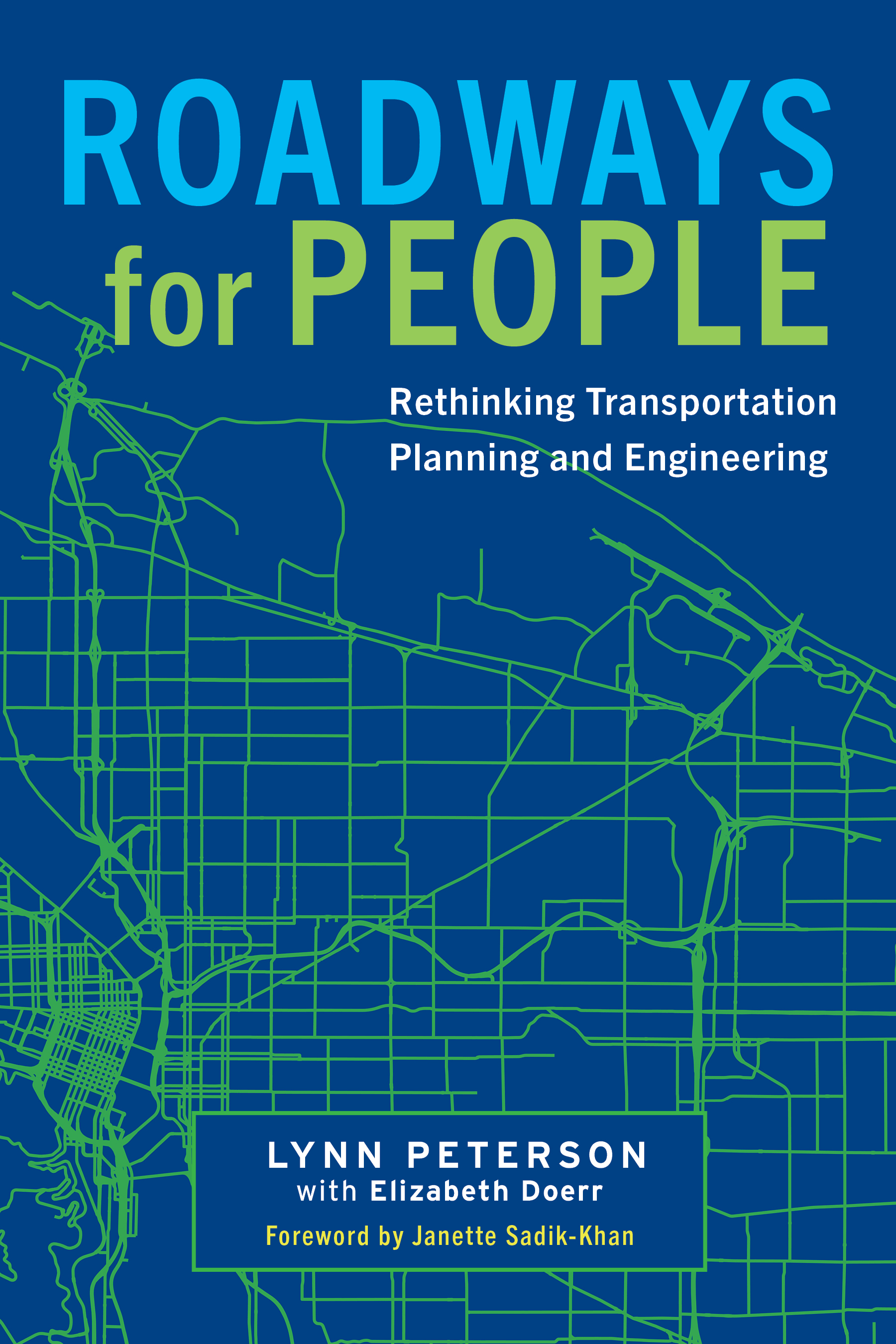
Roadways for People
Rethinking Transportation Planning and Engineering
Island Press · Print & ebook · December 6, 2022
“Seventy years of a car-only approach—not car-centric, it’s car-only—is actually not just non-driver hostile, it’s driver hostile.
We earn from qualifying purchases.
- Who it’s for
- Lynn Peterson shows how community engagement can reshape transportation planning around people, not just cars.
- Genres
- Urban & Land Use Planning, Transport Engineering, Cities & Urban Planning
- Published
- Island Press, December 6, 2022
Nearest books
Matched by what the books are about, then ordered by what their readers also loved. Most of these share its genres: Urban & Land Use Planning and Cities & Urban Planning.
 Inclusive TransportationVeronica Davis, tamika l. butler73% match
 Confessions of a Recovering EngineerCharles L. Marohn Jr.67% matchAlso shares Transport Engineering
 Shifting GearsSusan Handy66% match
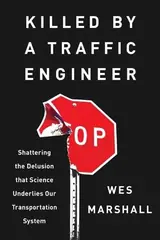 Killed by a Traffic EngineerWes Marshall, Stephen R. Thorne65% matchAlso shares Transport Engineering
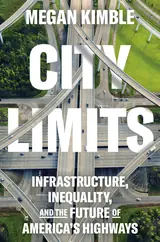 City LimitsMegan Kimble65% match
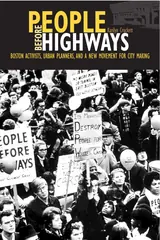 People Before HighwaysKarilyn Crockett63% match
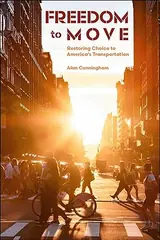 Freedom to MoveAlan Cunningham60% match
 Door to DoorEdward Humes58% match
For younger readers: Transportation!, Pedal Power, Women of Steel and Stone
Start with three books, and this one can be the first.
Members get a new edition every morning: a route out from their books to essays, research and talks, with the reason for each.
Start with this bookAbout this book
“Seventy years of a car-only approach—not car-centric, it’s car-only—is actually not just non-driver hostile, it’s driver hostile. No one benefits.” —Beth Osborne, Director, Transportation for America The car-only approach in transportation planning and engineering has led to the construction of roadways that have torn apart and devalued communities, especially Black and Brown communities.
Continue reading
Forging a new path to repair this damage requires a community solutions-based approach to planning, designing, and building our roadways. When Lynn Peterson began working as a transportation engineer, she was taught to evaluate roadway projects based only on metrics related to driver safety, allowable speed for the highest number of cars, project schedule, and budget. Involving the community and collaborating with peers were never part of the discussion. Today, Peterson is a recognized leader in transportation planning and engineering, known for her approach that is rooted in racial equity, guided by a process of community engagement, and includes collaboration with other professionals. In Roadways for People, Lynn Peterson draws from her personal experience and interviews with leaders in the field to showcase new possibilities within transportation engineering and planning. She incorporated a community-solutions based approach in her work at Metro, TriMet, and while running the Washington State Department of Transportation, where she played an instrumental role in the largest transportation bill in that state’s history. The community solutions-based approach moves away from the narrow standards of traditional transportation design and focuses instead on a process that involves consistent feedback, learning loops, and meaningful and regular community engagement. This approach seeks to address the transportation needs of the most historically marginalized members of the community. Roadways for People is written to empower professionals and policymakers to create transportation solutions that serve people rather than cars. Examples across the U.S.—from Portland, Oregon to Baltimore, Maryland—show what is possible with a community-centered approach. As traditional highway expansions are put on pause around the country, professionals and policymakers have an opportunity to move forward with a better approach. Peterson shows them how.
Community Roadway Planning
Lynn Peterson shows how community engagement can reshape transportation planning around people, not just cars.
Come here for
- Community-centered roadway planning rooted in racial equity
- U.S. examples from Portland to Baltimore
Expect
- Personal experience and interviews with field leaders
- Consistent feedback, learning loops, and regular community engagement
Where it sits
| Cities & Urban Planning | 60% |
|---|---|
| Urban & Land Use Planning | 44% |
| Transport Engineering | 34% |
Percentages are BookFrontier’s reading of the book.
Publisher categories
- Urban & Land Use Planning
- Transport Engineering
- Transportation
- Authors
- Lynn Peterson, Elizabeth Doerr, Janette Sadik-Khan
- Publisher
- Island Press
- Published
- December 6, 2022
- Format
- Print & ebook
- Reading lane
- Urban & Land Use Planning