
Python Tools for Scientists
An Introduction to Using Anaconda, Jupyterlab, and Python's Scientific Libraries
No Starch Press · Print & ebook · January 17, 2023
An introduction to the Python programming language and its most popular tools for scientists, engineers, students, and anyone who wants to use Python for research, simulations, and collaboration.
We earn from qualifying purchases.
- Who it’s for
- Explore Python tools for scientific work, from project environments to data visualization and machine learning.
- Themes
- Python for scientific research, Data visualization and analysis, Research simulations and collaboration
- Genres
- Python Programming, Data Science, Data Viz
Nearest books
Matched by what the books are about, then ordered by what their readers also loved.
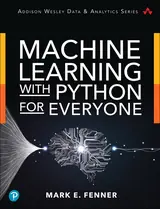 Machine Learning With Python for EveryoneMark Fenner56% matchShares Python Programming
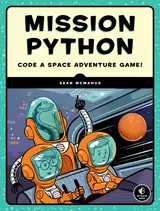 Mission PythonSean McManus52% matchShares Python Programming
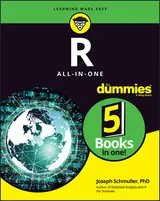 R All-in-one for DummiesJoseph Schmuller49% matchShares Data Viz
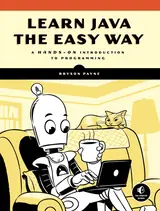 Learn Java the Easy WayBryson Payne49% match
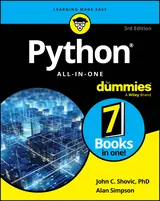 Python All-in-one for DummiesJohn C. Shovic, Alan Simpson56% matchShares Python Programming
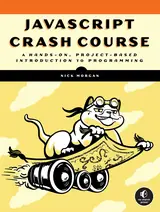 Javascript Crash CourseNick Morgan53% match
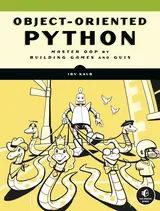 Object-oriented PythonIrv Kalb52% matchShares Python Programming
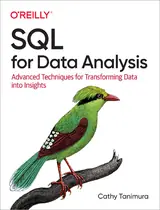 SQL for Data AnalysisCathy Tanimura51% match
For younger readers: Adventures in Python, Scratch 3 Programming Playground, Python for Kids
Start with three books, and this one can be the first.
Members get a new edition every morning: a route out from their books to essays, research and talks, with the reason for each.
Start with this bookAbout this book
An introduction to the Python programming language and its most popular tools for scientists, engineers, students, and anyone who wants to use Python for research, simulations, and collaboration. Python Tools for Scientists will introduce you to Python tools you can use in your scientific research, including Anaconda, Spyder, Jupyter Notebooks, JupyterLab, and numerous Python libraries.
Continue reading
You’ll learn to use Python for tasks such as creating visualizations, representing geospatial information, simulating natural events, and manipulating numerical data. Once you’ve built an optimal programming environment with Anaconda, you’ll learn how to organize your projects and use interpreters, text editors, notebooks, and development environments to work with your code. Following the book’s fast-paced Python primer, you’ll tour a range of scientific tools and libraries like scikit-learn and seaborn that you can use to manipulate and visualize your data, or analyze it with machine learning algorithms. You’ll also learn how to: - Create isolated projects in virtual environments, build interactive notebooks, test code in the Qt console, and use Spyder’s interactive development features - Use Python’s built-in data types, write custom functions and classes, and document your code - Represent data with the essential NumPy, Matplotlib, and pandas libraries - Use Python plotting libraries like Plotly, HoloViews, and Datashader to handle large datasets and create 3D visualizations Regardless of your scientific field, Python Tools for Scientists will show you how to choose the best tools to meet your research and computational analysis needs.
Python for Research
Explore Python tools for scientific work, from project environments to data visualization and machine learning.
Come here for
- Anaconda, Jupyter, and Spyder workflows
- NumPy, Matplotlib, pandas, and scientific libraries
Expect
- Geospatial data, natural-event simulations, and numerical data
- Plotly, HoloViews, and Datashader for large datasets and 3D visualizations
Where it sits
| Python Programming | 89% |
|---|---|
| Data Viz | 42% |
| Data Science | 22% |
Percentages are BookFrontier’s reading of the book.
Publisher categories
- Computer Science
- Data Science
- Python Programming
- Authors
- Lee Vaughan
- Publisher
- No Starch Press
- Published
- January 17, 2023
- Format
- Print & ebook
- Theme
- Python for scientific research · Data visualization and analysis · Research simulations and collaboration
- Reading lane
- Computer Science