
Chemistry for Cooks
An Introduction to the Science of Cooking
MIT Press · Print & ebook · January 10, 2023
A fun approach to teaching science that uses cooking to demonstrate principles of chemistry for undergraduate students who are not science majors, high school students, culinary students, and home cooks.
We earn from qualifying purchases.
- Who it’s for
- Cooking becomes a way to explore food’s molecular structure, chemical reactions, nutrition, and taste.
- Themes
- Chemistry of cooking, Food structure and heat, Nutrition and taste
- Genres
- Cooking, Chemistry, Food Chemistry & Biotechnology
Nearest books
Matched by what the books are about, then ordered by what their readers also loved. Most of these share its genre: Chemistry.
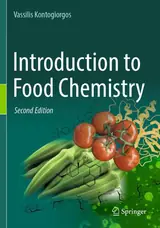 Introduction to Food ChemistryVassilis Kontogiorgos69% matchAlso shares Food Chemistry & Biotechnology
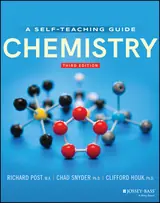 ChemistryRichard Post, Chad Snyder64% match
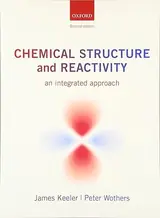 Chemical Structure and ReactivityJames Keeler, Peter Wothers62% match
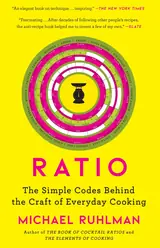 RatioMichael Ruhlman61% match
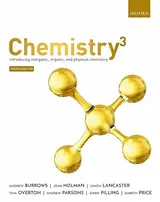 Chemistry 3Andrew Burrows, John Holman60% match
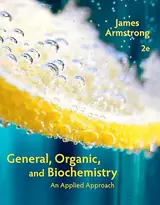 General, Organic, and BiochemistryJames Armstrong59% match
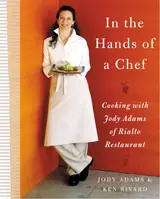 In the Hands of a ChefJody Adams, Ken Rivard58% match
 ChemistryJohn Moore, Conrad Stanitski58% match
For younger readers: The Complete Cookbook for Young Scientists, Janice Vancleave's Chemistry for Every Kid, Kids Can Cook Anything!
Start with three books, and this one can be the first.
Members get a new edition every morning: a route out from their books to essays, research and talks, with the reason for each.
Start with this bookAbout this book
A fun approach to teaching science that uses cooking to demonstrate principles of chemistry for undergraduate students who are not science majors, high school students, culinary students, and home cooks. How does an armload of groceries turn into a culinary masterpiece? In this highly accessible and informative text, Sandra C. Greer takes students into the kitchen to show how chemistry—with a dash of biology and physics—explains what happens when we cook.
Continue reading
Chemistry for Cooks provides all the background material necessary for nonscientists to understand essential chemical processes and to see cooking as an enjoyable application of science. Greer uses a variety of practical examples, including recipes, to instruct readers on the molecular structure of food, the chemical reactions used in cooking to change the nature of food, and the essentials of nutrition and taste. She also offers kitchen hints and exercises based on the material in each chapter, plus do-it-yourself projects to encourage exploration of the chemistry that takes place when we cook food. Features - Perfect for science courses aimed at non–science majors: does not require prior knowledge of chemistry, physics, or biology - Equally useful for general readers, home and professional cooks, and culinary students - Topics include what matter is made of, how the structure of matter is altered by heat, how we treat food in order to change its microscopic structure, why particular procedures or methods are used in the kitchen, and how to think critically about various cooking methods - A reference section at the end of each chapter points readers to resources for further study - Additional online resources include a solutions manual, a sample syllabus, and PowerPoint slides of all tables and figures
Kitchen Chemistry
Cooking becomes a way to explore food’s molecular structure, chemical reactions, nutrition, and taste.
Come here for
- Recipes and practical examples of chemistry in cooking
- Kitchen hints, chapter exercises, and do-it-yourself projects
Expect
- Chemistry, with some biology and physics, explained through cooking
- Chapter-by-chapter references for further study
Where it sits
| Chemistry | 46% |
|---|---|
| Food Chemistry & Biotechnology | 41% |
| Cooking | 37% |
Percentages are BookFrontier’s reading of the book.
Publisher categories
- Chemistry
- Hands-On Science Projects
- Food Chemistry & Biotechnology
- Authors
- Sandra C. Greer
- Publisher
- MIT Press
- Published
- January 10, 2023
- Format
- Print & ebook
- Theme
- Chemistry of cooking · Food structure and heat · Nutrition and taste
- Reading lane
- Chemistry