
The Triumph of Economic Freedom
Debunking the Seven Great Myths of American Capitalism
Bloomsbury Academic · Print & ebook · May 13, 2025
"This readable and important book makes a strong case that the received version of economic history taught in high schools and colleges across the country is off the mark and that its errors distort current policy debates.
We earn from qualifying purchases.
- Genres
- Free Market Thinking, Economic History, Economic Policy
- Published
- Bloomsbury Academic, May 13, 2025
Nearest books
Matched by what the books are about, then ordered by what their readers also loved. Most of these share its genre: Free Market Thinking.
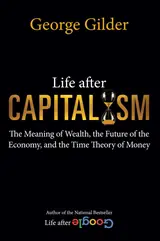 Life After CapitalismGeorge Gilder61% match
 Great SocietyAmity Shlaes66% matchAlso shares Economic History and Economic Policy
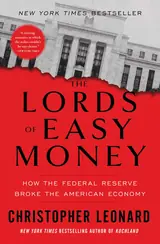 The Lords of Easy MoneyChristopher Leonard60% matchAlso shares Economic Policy
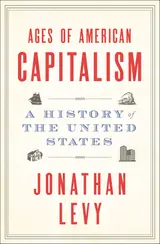 Ages of American CapitalismJonathan Levy69% matchAlso shares Economic History
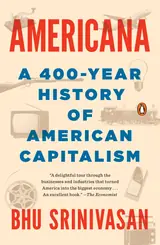 AmericanaBhu Srinivasan67% matchAlso shares Economic History
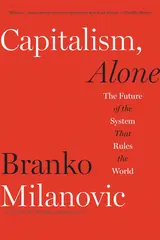 Capitalism, AloneBranko Milanovic, Branko Milanović65% match
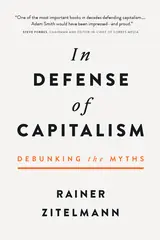 In Defense of CapitalismRainer Zitelmann65% match
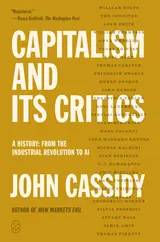 Capitalism and Its CriticsJohn Cassidy64% matchAlso shares Economic History
Start with three books, and this one can be the first.
Members get a new edition every morning: a route out from their books to essays, research and talks, with the reason for each.
Start with this bookAbout this book
"This readable and important book makes a strong case that the received version of economic history taught in high schools and colleges across the country is off the mark and that its errors distort current policy debates.
Continue reading
It deserves attention from economic policymakers of all persuasions."-LAWRENCE SUMMERS, former Secretary of the Treasury; President Emeritus, Harvard University Since the dawn of the Industrial Revolution, capitalism has unleashed unimaginable growth in opportunity and prosperity. And yet, at key points in American history, economic disruption has led to a greater role for government, ostensibly to protect against capitalism's excesses. Today, government regulates, mandates, subsidizes and controls a growing share of the American economy. In this book, Phil Gramm, one of America's premier public policy advocates, and noted economist Donald J. Boudreaux look at the seven events and issues in American history that define, for most Americans, the role of government and how the 21st century world works. To many Americans, these 5 periods of American history-the Industrial Revolution, Progressive Era, Great Depression, decline of America's postwar preeminence in world trade, and the Great Recession--along with the existing levels of income inequality and poverty, represent strong evidence for expanding government in American life. Gramm and Boudreaux argue that the evidence points to a contrary verdict: government interference and failed policies pose the most significant threat to economic freedom. Setting up each topic with a "just the facts" approach that defies partisanship, Gramm and Boudreaux provide a compelling and highly readable powerful reassessment that will challenge open-minded readers to rethink the conventional wisdom and the policies that spring from them.
Where it sits
| Economic History | 63% |
|---|---|
| Free Market Thinking | 43% |
| Economic Policy | 27% |
Percentages are BookFrontier’s reading of the book.
Publisher categories
- Economics
- Politics & Government
- Authors
- Phil Gramm, Donald J. Boudreaux
- Publisher
- Bloomsbury Academic
- Published
- May 13, 2025
- Format
- Print & ebook
- Reading lane
- Economics