Choosing books to trace change from the Reformation to the Enlightenment
A practical path through sixteenth-century context, Protestant and Catholic reform, confessional texts, seventeenth-century radicalism, long-range interpretation, and Enlightenment publishing and reception.
Edited by Chris · updated 2026-08-12
Start here
Which books best trace religious and cultural change from the Reformation through the Enlightenment?
Start with The Oxford History of the Reformation. It connects Protestant and Catholic reform to theology, politics, international relations, society, culture, art, gender, everyday life, and global expansion. Europe in the Sixteenth Century is the better choice when you first want political, economic, and urban context for an interconnected Europe. Rebel in the Ranks is the better choice when you want a Luther-centered interpretive argument carrying Reformation fragmentation and conflict toward the Enlightenment and later modernity; read those downstream links as Brad S. Gregory's thesis. The Books That Made the European Enlightenment is the better choice when your priority is how books moved from inception through publication and reception between 1699 and 1780.
[3][7][1][2]The books
Recommended books
Political, economic, and urban context
Europe in the Sixteenth Century
This book establishes political and economic context before you narrow your attention to confessional reform. You gain broad contextual and reference value, with the trade-off of a potentially slow, interwoven reading experience.
- Best for
- You want sixteenth-century Europe treated as an interconnected whole across empires, monarchies, city-republics, town life, and the economic setting of political change.
- Not for
- You want a strictly chronological, consistently light narrative; its thematic interrelations can feel dense and reward slow reading.
Cross-confessional Reformation survey
The Oxford History of the Reformation
You get a cross-confessional account with geographical and cultural range. It also resists a simple progression from oppression and ignorance to liberty and enlightenment, giving you synthesis without reducing the period to an inevitable story of progress.
- Best for
- You want Protestant and Catholic reform connected to politics, international relations, society, culture, art, gender, everyday life, and Christianity's global expansion.
- Not for
- Your immediate priority is direct primary material or detailed Enlightenment publication history; this book's declared task is compact Reformation synthesis.
Direct encounter with Luther
Martin Luther's Ninety-five Theses and Selected Sermons
You get direct access to one reformer's arguments rather than a later historian's reconstruction. The trade-off is a deliberately narrow confessional lens and theological prose that may require careful reading.
- Best for
- You are ready to encounter Luther directly through the Ninety-Five Theses and seven sermons.
- Not for
- You want a cross-confessional sourcebook, a broad narrative history, or a light reading experience; the primary theological prose can feel intense and demanding.
Liturgical history and reception
The Oxford Guide to the Book of Common Prayer
This guide turns confessional change into a concrete study of textual lineage, worship, and cultural adaptation. Its expert-contributor structure and breadth of material support either selective browsing or sustained exploration.
- Best for
- You want to follow the Book of Common Prayer and its descendants from 1549 onward, including their worldwide circulation and adaptation by Anglican communities to local cultures.
- Not for
- You want the prayer book itself as a primary-source edition or a general history of the Reformation; this is a guide to one liturgical tradition's history and use.
Mid-seventeenth-century radical ideas
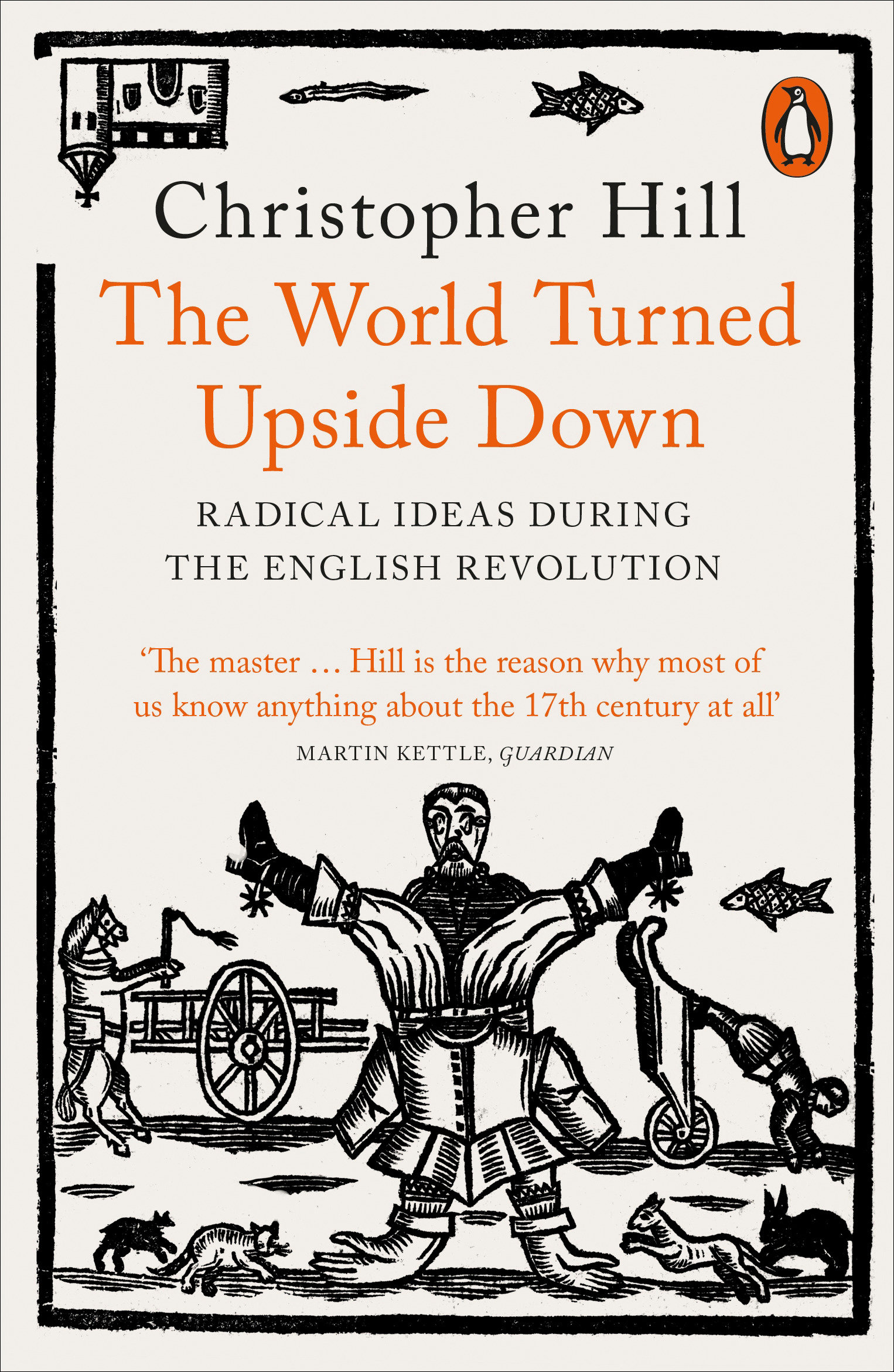
The World Turned Upside Down
The book explores revolutionary possibilities that diverged from the propertied Protestant settlement that prevailed. You gain a concentrated history of ideas and social impulses, with the trade-off that it does not attempt comprehensive event coverage.
- Best for
- You are interested in Diggers, Ranters, Levellers, and other radical groups, especially where religion intersects with property, democracy, class, church establishment, sexual freedom, blasphemy, and literature.
- Not for
- You want a general narrative of the English Revolution or a Europe-wide seventeenth-century survey; its focus is radical beliefs and their social and emotional impulses.
Interpretive bridge to later modernity
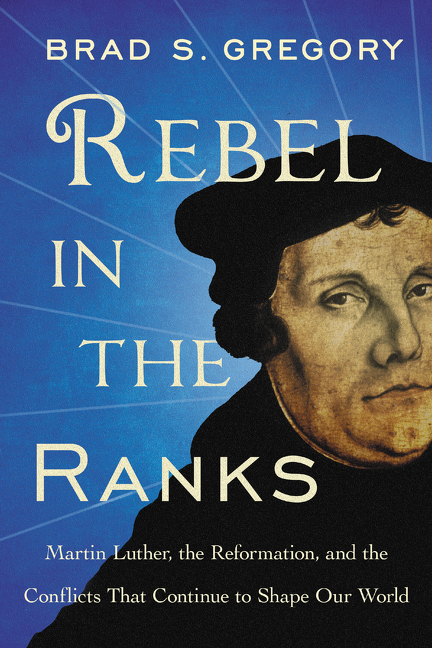
Rebel in the Ranks
This is an argument-led bridge from Reformation upheaval toward the Enlightenment and later modernity. More than one reader account notes readable or engaging presentation, but the long downstream arc remains Gregory's interpretation and should be read as such.
- Best for
- You want a Luther-centered account that follows competing interpretations of Scripture and church fragmentation into political and social conflict, then toward later cultural consequences.
- Not for
- You want a bounded sixteenth-century chronology; its declared arc extends across five centuries and into modern political and cultural questions.
Enlightenment publishing and reception
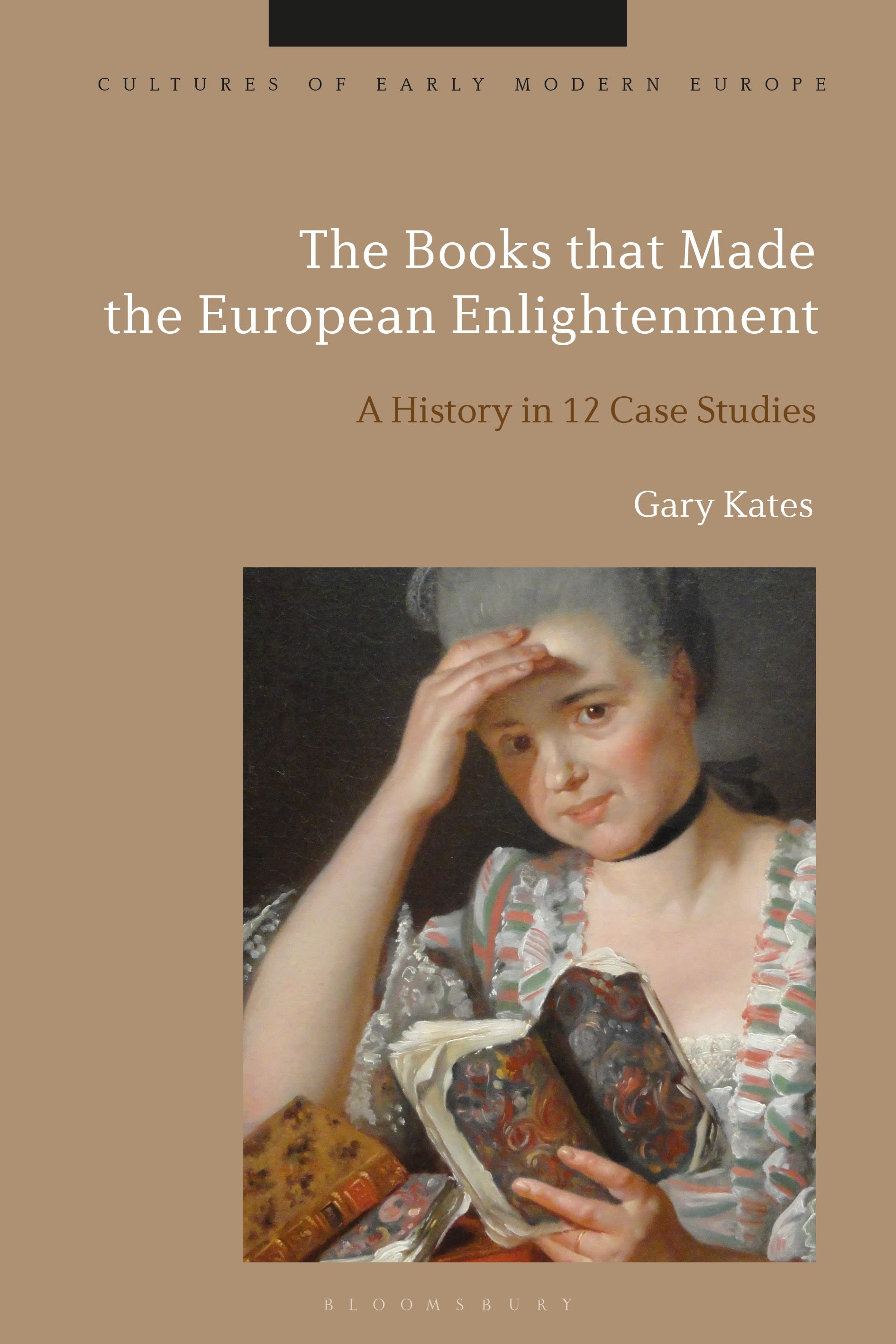
The Books That Made the European Enlightenment
Its twelve cases combine intellectual history with publication and reception history, supported by a database representing 5,000 eighteenth-century titles. You see how ideas reached readers, with the trade-off of a case-by-case account rather than a continuous general history of the period.
- Best for
- You want to approach the European Enlightenment through individual books and the relationships among authors, publishers, editions, ordinary readers, colonial readership, and reception.
- Not for
- You want a comprehensive chronological survey of Enlightenment philosophy, science, and politics; this book is organized around biographies of individual books.
Choose by what matters to you
Opening scope
Choose Europe in the Sixteenth Century for political structures, towns, and the economic setting of change across interconnected sixteenth-century Europe. Choose The Oxford History of the Reformation for Protestant and Catholic reform connected to theology, politics, society, culture, art, gender, everyday life, and global expansion.
[7][3]Type of evidence
Martin Luther's Ninety-five Theses and Selected Sermons gives you Luther's theses and seven sermons as primary material. The Oxford Guide to the Book of Common Prayer is a secondary history of a liturgical text, its use, descendants, worldwide circulation, and cultural adaptation.
[4][5]Chronological bridge
Use The World Turned Upside Down for radical beliefs and social impulses during the mid-seventeenth-century English Revolution. Use Rebel in the Ranks for Gregory's retrospective argument connecting Reformation fragmentation and conflict to the Enlightenment and later modernity. Use The Books That Made the European Enlightenment for publication and reception between 1699 and 1780.
[6][1][2]Reading style
Europe in the Sixteenth Century may require patient navigation of interwoven themes. Luther's theological prose can feel intense and demanding. The Oxford Guide to the Book of Common Prayer supports selective browsing or sustained exploration. More than one reader account describes Rebel in the Ranks as readable or engaging, alongside its argument-led historical approach.
[7][11][4][9][5][10][1][8]Depth and structure
The Oxford History of the Reformation offers compact synthesis. The Oxford Guide to the Book of Common Prayer uses an expert-contributor guide structure. The World Turned Upside Down concentrates on radical ideas rather than comprehensive event coverage. The Books That Made the European Enlightenment develops its history through twelve book biographies rather than a continuous general narrative.
[3][5][6][2]What to know before choosing
Useful context
- The two opening surveys do different jobs. Europe in the Sixteenth Century treats Europe as an interconnected political and economic whole, emphasizing political structures, towns, and economic conditions. The Oxford History of the Reformation concentrates on Protestant and Catholic reform while connecting theology to political, social, and cultural life across Europe and the wider world. [7][3]
- The confessional books provide different forms of evidence. Martin Luther's Ninety-five Theses and Selected Sermons gives you one Lutheran voice directly through the theses and seven sermons. The Oxford Guide to the Book of Common Prayer traces the later history, use, descendants, circulation, and adaptation of a liturgical text. [4][5]
- For the transition beyond the initial Reformation, The World Turned Upside Down examines radical groups in the mid-seventeenth-century English Revolution. Rebel in the Ranks retrospectively argues that Reformation fragmentation and conflict contributed to the Enlightenment and other later developments. The Books That Made the European Enlightenment then follows twelve books through inception, publication, and reception from 1699 to 1780. [6][1][2]
- For a chronological reading path, move from Europe in the Sixteenth Century to The Oxford History of the Reformation, Martin Luther's Ninety-five Theses and Selected Sermons, The Oxford Guide to the Book of Common Prayer, The World Turned Upside Down, Rebel in the Ranks as a retrospective synthesis, and The Books That Made the European Enlightenment. This trades one continuous narrative for methodological range across survey, religious synthesis, primary text, liturgical reception, radical intellectual history, long-range interpretation, and Enlightenment book history. [7][3][4][5][6][1][2]
Where accounts differ
- Reader accounts of Europe in the Sixteenth Century differ: more than one describes dense thematic interrelations and slow going, while another describes its organization and prose as easy to digest. Expect a book that may reward patient reading, but do not assume every reader finds it difficult. [7][11]
Sources
- Rebel in the RanksBookFrontier · checked 2026-08-12
- The Books That Made the European EnlightenmentBookFrontier · checked 2026-08-12
- The Oxford History of the ReformationBookFrontier · checked 2026-08-12
- Martin Luther's Ninety-five Theses and Selected SermonsBookFrontier · checked 2026-08-12
- The Oxford Guide to the Book of Common PrayerBookFrontier · checked 2026-08-12
- The World Turned Upside DownBookFrontier · checked 2026-08-12
- Europe in the Sixteenth CenturyBookFrontier · checked 2026-08-12
- Reader perspectives on Rebel in the RanksGoodreads reader reviews · checked 2026-03-31
- Reader perspectives on Martin Luther's Ninety-five Theses and Selected SermonsGoodreads reader reviews · checked 2026-02-19
- Reader perspectives on The Oxford Guide to the Book of Common PrayerGoodreads reader reviews · checked 2026-03-02
- Reader perspectives on Europe in the Sixteenth CenturyGoodreads reader reviews · checked 2026-02-22