How to Choose a Social and Economic History of Early Modern Britain and Europe
Choose by geographical scale, period, theme, and reading style—from broad social surveys to focused studies of London, labor, property, and radical ideas.
Edited by Chris · updated 2026-08-12
Start here
Which books best explain how ordinary people, labor, towns, class, and commerce changed early modern Britain and Europe?
Start with Early Modern England if you want an orientation to English social change: it spans 1550-1760 and combines a wide-ranging overview with attention to historiographical disputes and interpretive uncertainty. Europe 1600-1789 is the better choice when your question is continent-wide and centers on conflict among laboring people, ruling elites, commercial and financial groups, traditional communities, and monarchies. If your main interest is the texture of eighteenth-century English life—diet, housing, entertainment, work, and wages—begin with English Society in the 18th Century; readers often report an approachable, engaging experience, although some passages carry substantial statistical detail.
[7][13][1][2][9]The books
Recommended books
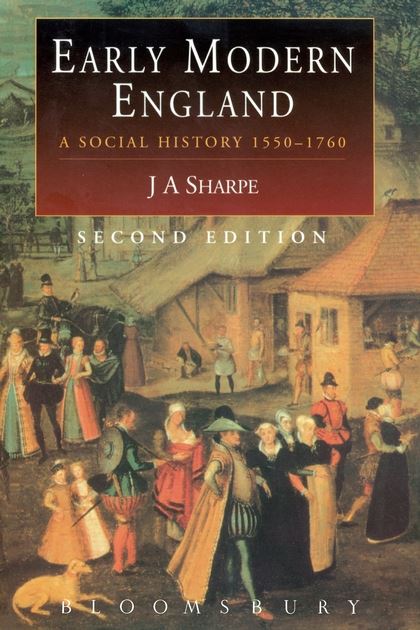
Starting-point English social history, 1550-1760
Early Modern England
You get two centuries of English social history in a wide-ranging overview that remains attentive to historiographical disputes and interpretive uncertainty. It provides orientation across the period, with the trade-off that it does not sustain the tight focus of a city- or conflict-centered study.
- Best for
- Readers wanting a long-span account of English society from 1550 to 1760 alongside an introduction to historical interpretation.
- Not for
- Readers whose subject is continental Europe or a specialized conflict confined to one city or theme.

Europe-wide structural survey, 1600-1789
Europe 1600-1789
You get a general European survey with an interpretive through-line built around diverging group interests and traditional structures of authority. Its trade-off is continent-wide structural explanation in place of intimate local detail.
- Best for
- Readers seeking a continent-wide explanation of how laboring communities, ruling elites, commercial and financial groups, traditional communities, and monarchies came into structural conflict between 1600 and 1789.
- Not for
- Readers whose priority is fine-grained household life or a close portrait of one town or city.
Interconnected sixteenth-century European survey
Europe in the Sixteenth Century
You get a sixteenth-century continental foundation that connects political structures, towns, and economic context. Those thematic cross-connections add analytical substance, but reported readability varies, so it is sensible to proceed deliberately without assuming the book will feel uniformly easy or difficult.
- Best for
- Readers wanting sixteenth-century Europe treated as an interconnected whole through empires, monarchies, city-republics, growing towns, and the economic setting of political change.
- Not for
- Readers focused on later seventeenth- or eighteenth-century developments, Britain-specific lived experience, or a simple chronological progression through events.
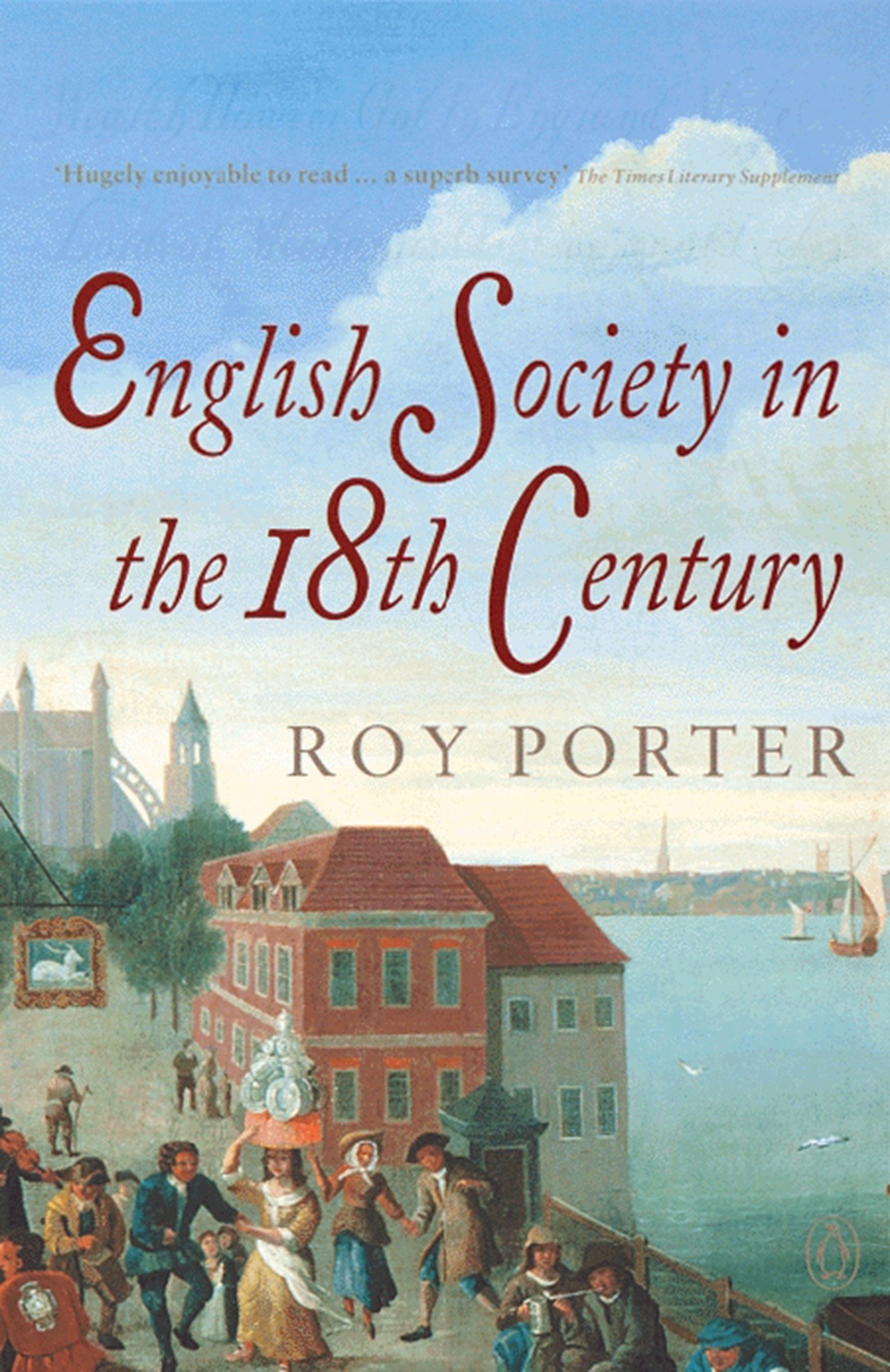
Everyday society across eighteenth-century England
English Society in the 18th Century
You move from princes to paupers and from London to small hamlets, encountering diet, housing, prisons, festivities, entertainment, work, and wages. Reader reports often describe the result as approachable and engaging, but its topical richness includes passages with substantial statistical detail.
- Best for
- Readers seeking an eighteenth-century English social portrait that crosses status and settlement scale while covering material life, culture, institutions, work, and wages.
- Not for
- Readers whose question extends beyond England or who want a ruler-by-ruler political chronology.
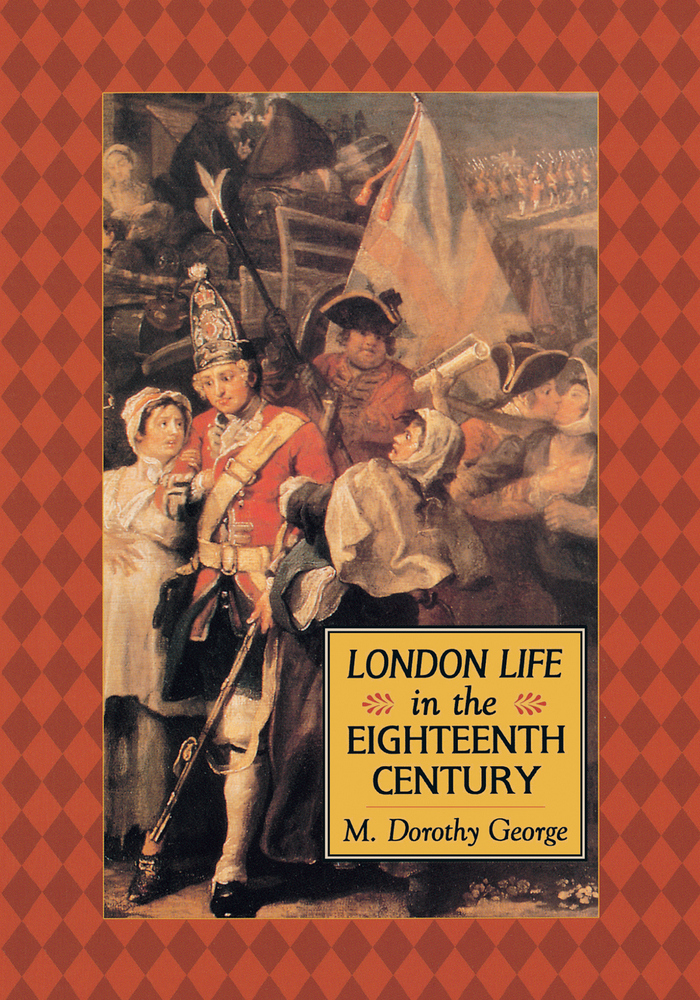
Street-level social history of eighteenth-century London
London Life in the 18th Century
You get a sustained reconstruction of social environments across one eighteenth-century metropolis, with a reference-oriented treatment of its people and places. The trade-off is concentrated attention to London rather than national or continental coverage.
- Best for
- Readers seeking an urban social history of eighteenth-century London through streets, poor districts, sweatshops, coffee houses, parks, and changing attitudes toward metropolitan order.
- Not for
- Readers whose scope is rural communities, Britain as a whole, continental Europe, or general political chronology.
Labor, property, class, and punishment in London
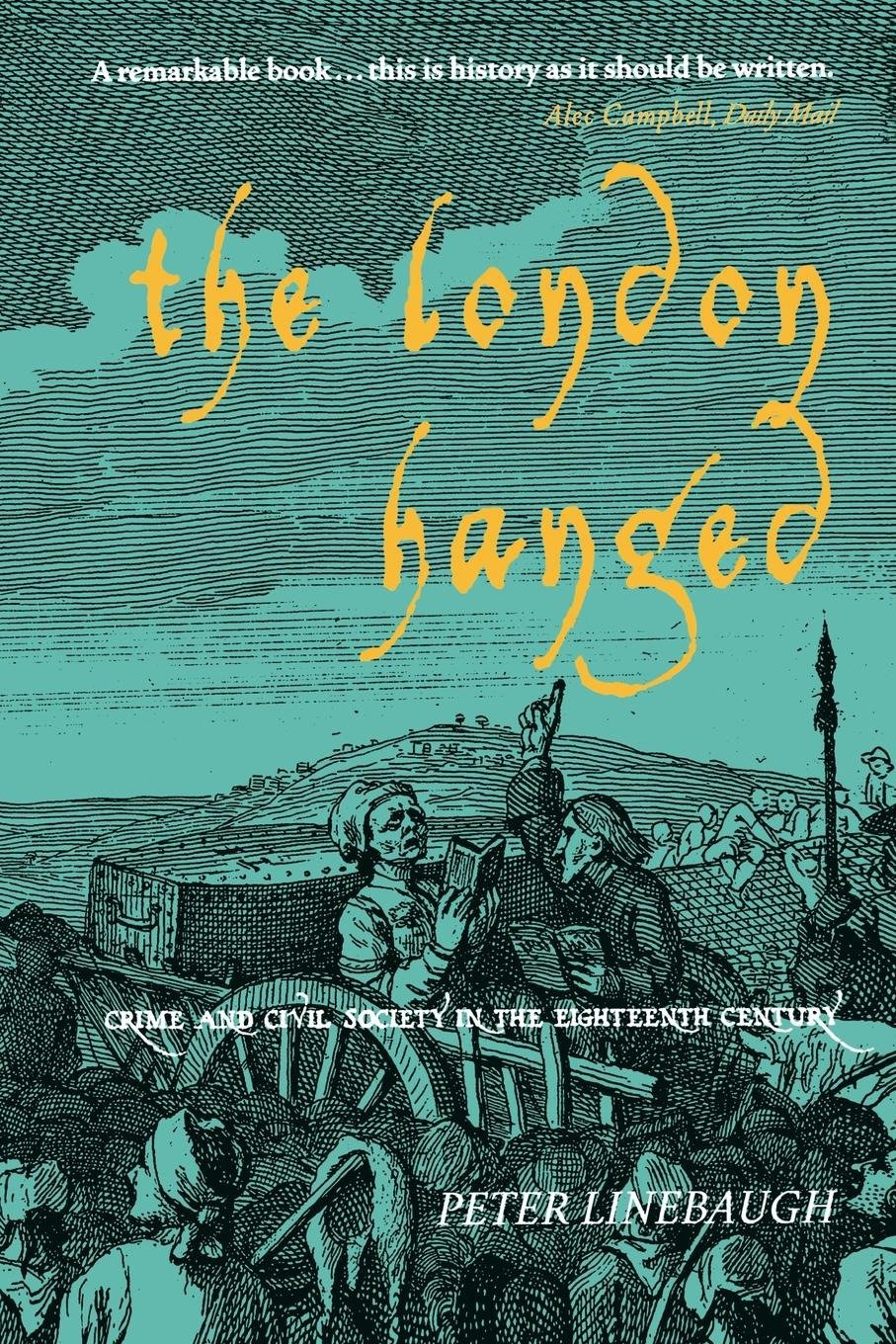
The London Hanged
Hanging and punishment become a lens on conflict between working people and a privileged ruling class, connecting workers and commodities with property and criminalization. The intensive, detail-rich treatment delivers analytical depth, with the trade-off of limited general-survey breadth.
- Best for
- Readers wanting an argument about workers, customary rights, private property, criminalization, class power, punishment, and emergent capitalism in eighteenth-century London.
- Not for
- Readers wanting coverage beyond London or an even survey of every aspect of English society.
Radical ideas and class conflict in the English Revolution
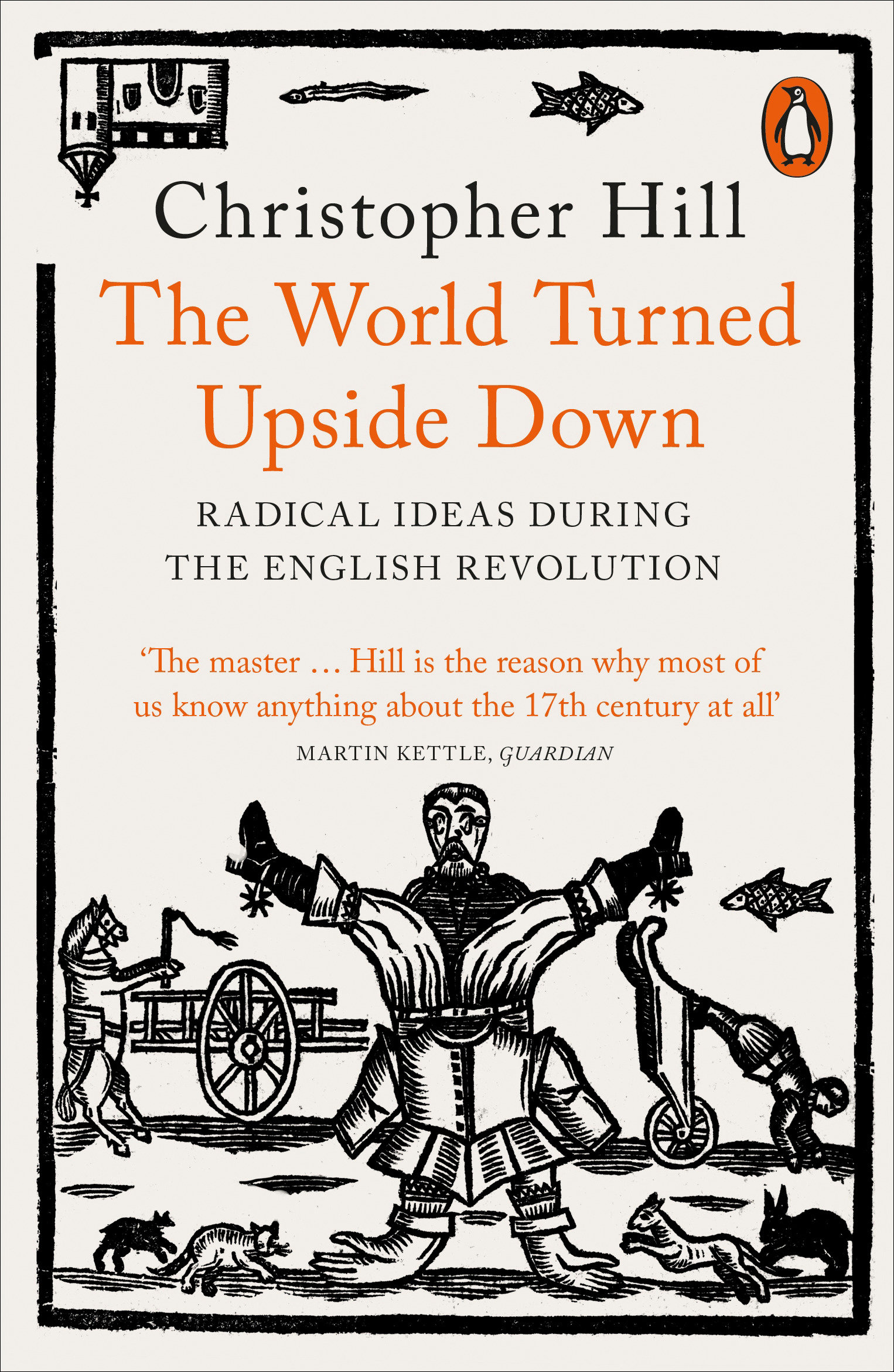
The World Turned Upside Down
You get an idea-centered study of radical beliefs and the social and emotional impulses behind them, including relations between rich and poor, communal property, and wider democracy. Its conceptual and group-centered depth makes it a companion to a broad period history rather than a replacement for one.
- Best for
- Readers interested in how Diggers, Ranters, Levellers, and other radical groups challenged property, hierarchy, church authority, and restricted political participation during the English Revolution.
- Not for
- Readers needing a complete chronological history of the revolution or sustained treatment of towns, commerce, and labor markets.
British and Irish thematic synthesis, 1688-1815
The Eighteenth Century
The multi-contributor structure gives you substantial thematic coverage across Britain and Ireland, including domestic and popular politics. Recurring reader reports describe the academic prose as demanding and sometimes difficult to navigate, so the book offers synthetic range in exchange for a reading experience that rewards patience.
- Best for
- Readers wanting a thematic synthesis of Britain and Ireland from 1688 to 1815 that combines politics, religion, demography, social structure, economic expansion, and political unification.
- Not for
- Readers focused on continental Europe, close ordinary-life microhistory, or an effortless narrative reading experience.
Choose by what matters to you
Geographical scope
Choose Europe in the Sixteenth Century or Europe 1600-1789 for a continent-wide frame. Early Modern England and English Society in the 18th Century focus on England; The Eighteenth Century covers Britain and Ireland; The London Hanged and London Life in the 18th Century concentrate on London; The World Turned Upside Down examines radical groups during the English Revolution.
[6][1][7][2][5][3][8][4]Chronological fit
Europe in the Sixteenth Century supplies the sixteenth-century continental foundation. Early Modern England spans 1550-1760, The World Turned Upside Down focuses on the mid-seventeenth-century English Revolution, and Europe 1600-1789 follows continental change from 1600. English Society in the 18th Century, The London Hanged, and London Life in the 18th Century deepen eighteenth-century English or London history, while The Eighteenth Century carries Britain and Ireland from 1688 to 1815.
[6][7][4][1][2][3][8][5]Ordinary life and urban scale
English Society in the 18th Century provides an English portrait spanning social ranks, settlements, material life, entertainment, work, and wages. London Life in the 18th Century sustains a single-city focus through poor districts, streets, workplaces, coffee houses, and parks. Europe in the Sixteenth Century places growing town life within a continent-wide account of political and economic change.
[2][8][6]Labor, class, and property
Choose English Society in the 18th Century when work and wages should form part of a wide social portrait. Choose The London Hanged for an organizing argument connecting working people, customary rights, private property, criminalization, punishment, and ruling-class power. The World Turned Upside Down examines radical challenges involving rich and poor, communal property, and wider democracy, while Europe 1600-1789 analyzes conflict among laboring people, elites, and commercial and financial groups.
[2][3][4][1]Commerce and political power
Europe 1600-1789 incorporates commercial and financial interests into its structural explanation. The London Hanged connects private property and emergent capitalism to conflict in London; The Eighteenth Century links British and Irish integration with economic expansion; Europe in the Sixteenth Century supplies the economic background to political change. For political power beyond rulers' biographies, these surveys examine monarchies, political structures, popular political culture, and unification, while The World Turned Upside Down studies radical challenges to the established order.
[1][3][5][6][4]Reading style and depth
English Society in the 18th Century is often reported as approachable and engaging, although some passages contain substantial statistical detail. Early Modern England combines wide-ranging orientation with historiographical disputes and interpretive uncertainty. The London Hanged is intensive, detail-rich, and argument-led. Reports on Europe in the Sixteenth Century range from fluent to dense, while The Eighteenth Century offers thematic range through prose that recurring reader reports characterize as academically demanding.
[2][9][7][13][3][10][6][12][5][11]What to know before choosing
Useful context
- The continental surveys serve different periods and purposes. Europe in the Sixteenth Century treats sixteenth-century Europe as an interconnected whole through political structures, growing town life, and the economic background to political change. Europe 1600-1789 continues from 1600 through conflicts involving laboring people, elites, commercial and financial groups, traditional communities, and monarchies. [6][1]
- The broad Britain-centered books work at distinct scales: Early Modern England surveys English society from 1550 to 1760; English Society in the 18th Century portrays England across social ranks, settlements, and everyday subjects; The Eighteenth Century covers Britain and Ireland from 1688 to 1815 through politics, religion, demography, society, economic expansion, and unification. [7][2][5]
- English Society in the 18th Century moves from princes to paupers and from the metropolis to hamlets, covering diet, housing, prisons, festivities, entertainment, work, and wages. London Life in the 18th Century concentrates on one capital through poor districts, streets, sweatshops, coffee houses, parks, and changing attitudes toward urban order. [2][8]
- The London Hanged makes labor and class conflict central to an argument about working people, customary rights, private property, criminalization, and ruling power. English Society in the 18th Century places work and wages inside a wider portrait of English society. [3][2]
- Hierarchy appears through three distinct lenses: group interests across continental Europe in Europe 1600-1789, radical challenges concerning property and democracy in The World Turned Upside Down, and conflict between working people and a privileged ruling class in The London Hanged. [1][4][3]
- Commerce enters through commercial and financial interests in Europe 1600-1789, private property and emergent capitalism in The London Hanged, economic expansion and integration in The Eighteenth Century, and the economic setting of political change in Europe in the Sixteenth Century. [1][3][5][6]
- Political power is approached through structures and groups: monarchies and the forces undercutting them in Europe 1600-1789; empires, monarchies, and city-republics in Europe in the Sixteenth Century; popular political culture and unification in The Eighteenth Century; and radical challenges to the established order in The World Turned Upside Down. [1][5][6][4]
Where accounts differ
- Reading experiences with Europe in the Sixteenth Century vary: some readers find it fluent or readily digestible, while others find its thematic interconnections dense and better approached slowly. [6][12]
- The Eighteenth Century offers substantial thematic breadth, but recurring reader reports describe its multi-author academic prose as demanding and sometimes difficult to navigate. [5][11]
Sources
- Europe 1600-1789BookFrontier · checked 2026-08-12
- English Society in the 18th CenturyBookFrontier · checked 2026-08-12
- The London HangedBookFrontier · checked 2026-08-12
- The World Turned Upside DownBookFrontier · checked 2026-08-12
- The Eighteenth CenturyBookFrontier · checked 2026-08-12
- Europe in the Sixteenth CenturyBookFrontier · checked 2026-08-12
- Early Modern EnglandBookFrontier · checked 2026-08-12
- London Life in the 18th CenturyBookFrontier · checked 2026-08-12
- Reader perspectives on English Society in the 18th CenturyGoodreads reader reviews · checked 2026-03-19
- Reader perspectives on The London HangedGoodreads reader reviews · checked 2026-02-22
- Reader perspectives on The Eighteenth CenturyGoodreads reader reviews · checked 2026-03-02
- Reader perspectives on Europe in the Sixteenth CenturyGoodreads reader reviews · checked 2026-02-22
- Reader perspectives on Early Modern EnglandGoodreads reader reviews · checked 2026-03-02