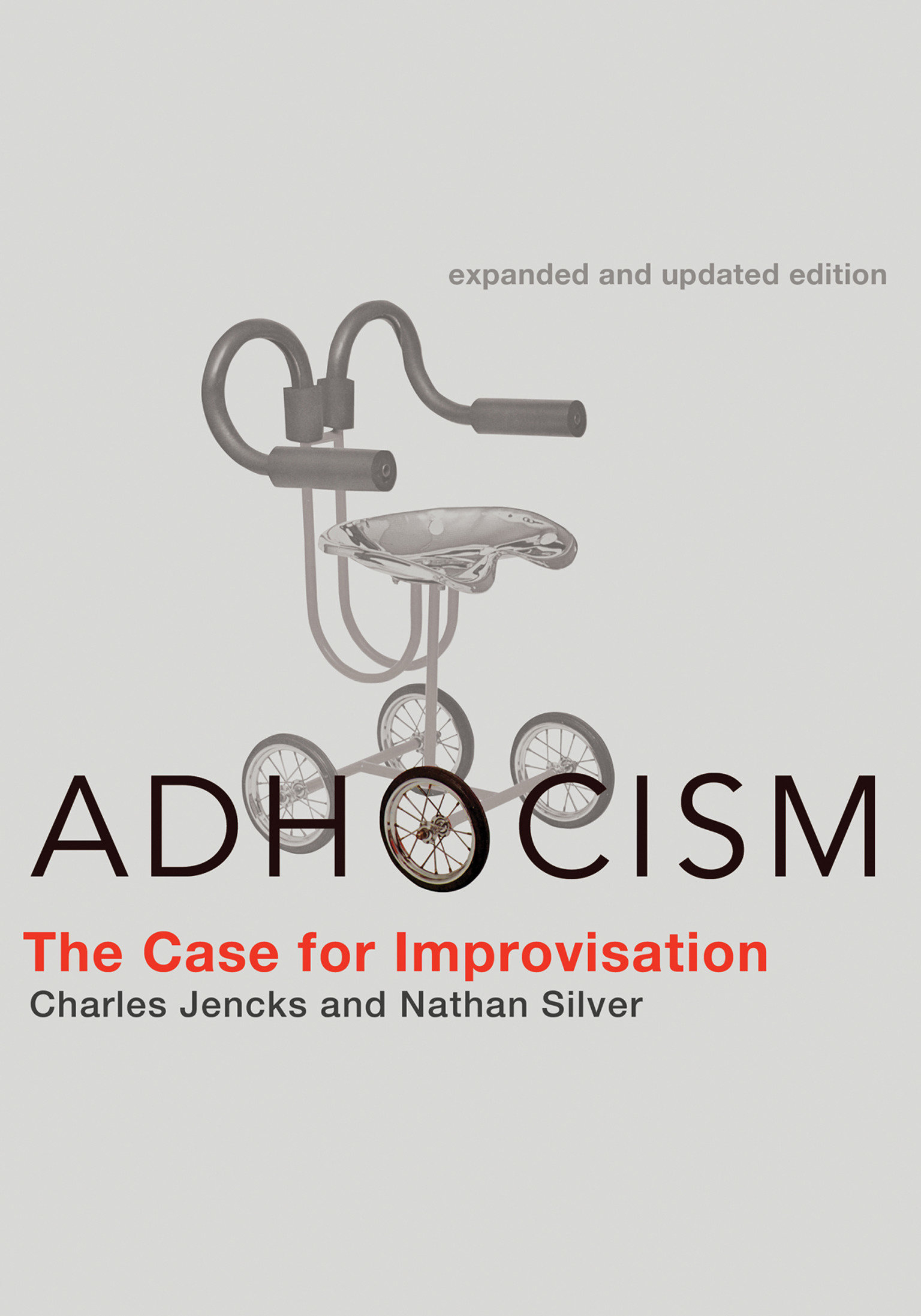
Adhocism, Expanded and Updated Edition
The Case for Improvisation
MIT Press · Print & ebook · May 24, 2013
The triumphant return of a book that gave us permission to throw out the rulebook, in activities ranging from play to architecture to revolution.
We earn from qualifying purchases.
- Who it’s for
- From makeshift household fixes to architecture, this book frames improvisation as practical design.
- Themes
- Everyday improvisation, Design and architecture, Trial-and-error problem-solving
- Genres
- Architecture, Design Writing, Design History
Nearest books
Matched by what the books are about, then ordered by what their readers also loved.
 Design ReimaginedCorey Damen Jenkins56% match
 The Design of Everyday ThingsDon Norman55% match
 How Architecture WorksWitold Rybczynski54% matchShares Architecture
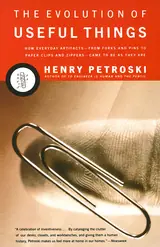 The Evolution of Useful ThingsHenry Petroski53% match
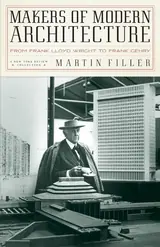 Makers of Modern ArchitectureMartin Filler52% match
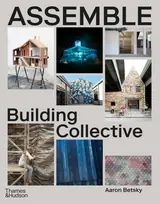 Assmble(d)Aaron Betsky52% match
 How Buildings LearnStewart Brand52% matchShares Architecture
 GamestormingDave Gray, Sunni Brown51% match
For younger readers: The Handbook of Forgotten Skills, Mistakes That Worked, Crafting Change
Start with three books, and this one can be the first.
Members get a new edition every morning: a route out from their books to essays, research and talks, with the reason for each.
Start with this bookAbout this book
The triumphant return of a book that gave us permission to throw out the rulebook, in activities ranging from play to architecture to revolution. When this book first appeared in 1972, it was part of the spirit that would define a new architecture and design era—a new way of thinking ready to move beyond the purist doctrines and formal models of modernism.
Continue reading
Charles Jencks and Nathan Silver's book was a manifesto for a generation that took pleasure in doing things ad hoc, using materials at hand to solve real-world problems. The implications were subversive. Turned-off citizens of the 1970s immediately adopted the book as a DIY guide. The word “adhocism” entered the vocabulary, the concept of adhocism became part of the designer's toolkit, and Adhocism became a cult classic. Now Adhocism is available again, with new texts by Jencks and Silver reflecting on the past forty years of adhocism and new illustrations demonstrating adhocism's continuing relevance. Adhocism has always been around. (Think Robinson Crusoe, making a raft and then a shelter from the wreck of his ship.) As a design principle, adhocism starts with everyday improvisations: a bottle as a candleholder, a dictionary as a doorstop, a tractor seat on wheels as a dining room chair. But it is also an undeveloped force within the way we approach almost every activity, from play to architecture to city planning to political revolution. Engagingly written, filled with pictures and examples from areas as diverse as auto mechanics and biology, Adhocism urges us to pay less attention to the rulebook and more to the real principle of how we actually do things. It declares that problems are not necessarily solved in a genius's “eureka!” moment but by trial and error, adjustment and readjustment.
Everyday Improvisation
From makeshift household fixes to architecture, this book frames improvisation as practical design.
Come here for
- Everyday improvisations using materials at hand
- Trial, error, adjustment, and readjustment as problem-solving
Expect
- New texts by Jencks and Silver reflecting on forty years of adhocism
- New illustrations demonstrating adhocism's continuing relevance
Where it sits
| Design History | 49% |
|---|---|
| Architecture | 44% |
| Design Writing | 40% |
Percentages are BookFrontier’s reading of the book.
Publisher categories
- Contemporary Architecture (1945-)
- Design History
- Authors
- Charles Jencks, Nathan Silver
- Publisher
- MIT Press
- Published
- May 24, 2013
- Format
- Print & ebook
- Theme
- Everyday improvisation · Design and architecture · Trial-and-error problem-solving
- Reading lane
- Contemporary Architecture (1945-)