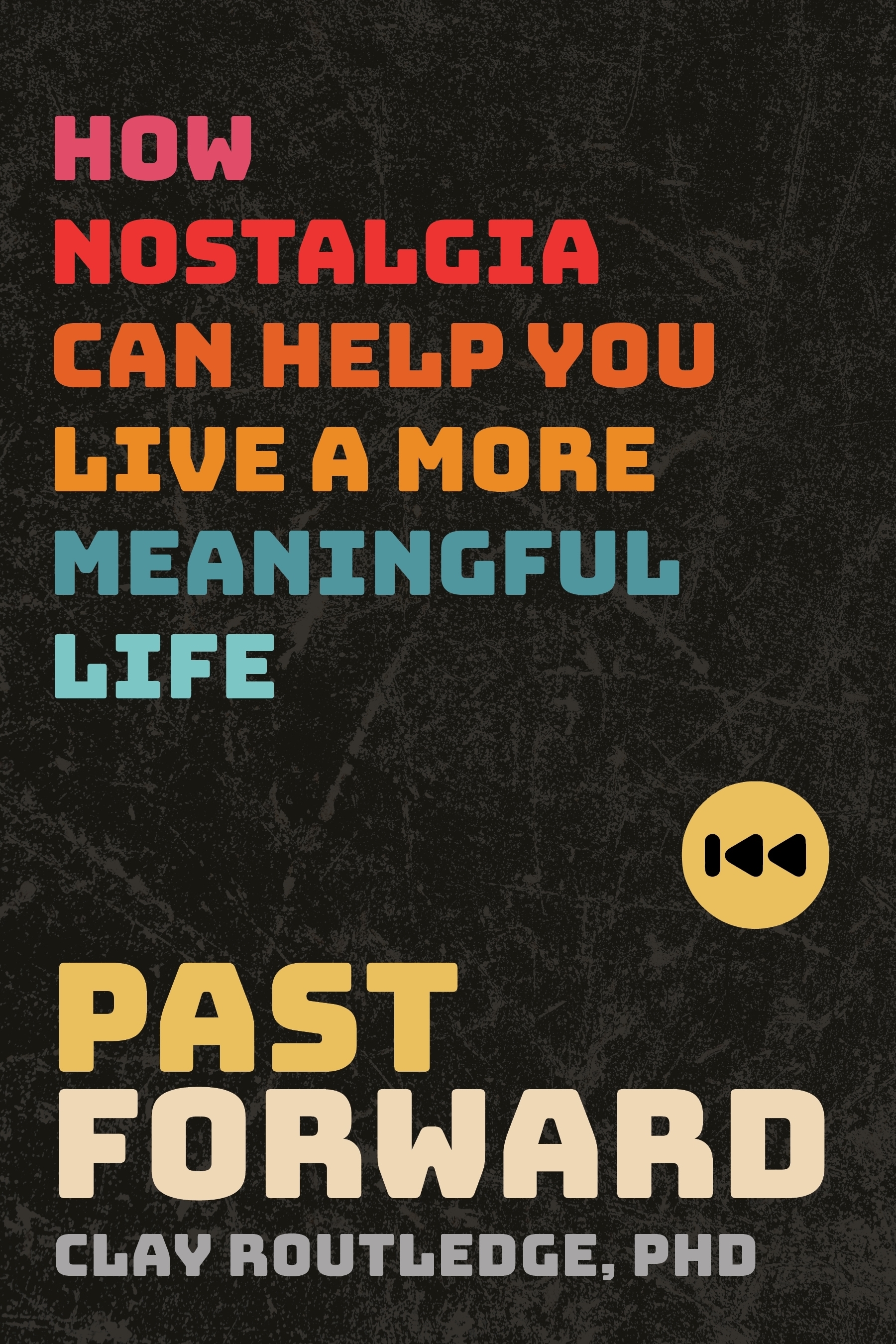
Past Forward
How Nostalgia Can Help You Live a More Meaningful Life
Sounds True · Print & ebook · December 5, 2023
A leading psychological researcher shares compelling science and valuable practices for mindfully using nostalgia to live a more grounded, connected, and purposeful life.
We earn from qualifying purchases.
- Who it’s for
- A thoughtful look at nostalgia as a resource for connection, resilience, and purpose.
- Themes
- Nostalgia and well-being, Memory, purpose, and identity, Connection through shared memories
- Pacing
- Reflective
Nearest books
Matched by what the books are about, then ordered by what their readers also loved.
 Nature and the MindMarc Berman47% match
 The Science of StuckBritt Frank LSCSW, Sasha Heinz55% match
 The Meaning of Your LifeArthur C. Brooks55% match
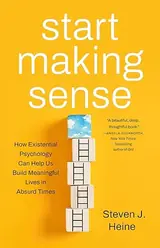 Start Making SenseSteven J. Heine53% match
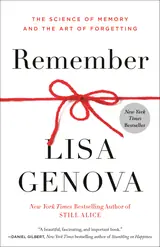 RememberLisa Genova52% match
For younger readers: The Handbook of Forgotten Skills, All I Know Now
Start with three books, and this one can be the first.
Members get a new edition every morning: a route out from their books to essays, research and talks, with the reason for each.
Start with this bookAbout this book
A leading psychological researcher shares compelling science and valuable practices for mindfully using nostalgia to live a more grounded, connected, and purposeful life. When an old song makes you want to dance like you did in high school, or you long for the comforting taste of your mom’s cooking, that’s more than just memory—it’s nostalgia. But is nostalgia all about “living in the past” to hide from reality?
Continue reading
In Past Forward, psychologist Clay Routledge presents a fascinating investigation into an emotion we all experience yet often misunderstand, revealing nostalgia’s extraordinary potential to enrich our present—and our future. Dr. Routledge has been at the forefront of a new wave of research that has established a fresh, evidence-based view of nostalgia—not as a psychological weakness, but as a complex and valuable resource for our well-being. Here he presents a treasury of informed insights and science-based practices to help you turn nostalgia into a powerful ally, including: • Understanding nostalgia—what this feeling is and why it’s necessary for a healthy psyche • Enhancing your sense of self—how nostalgia can help you build confidence and self-esteem • Deepening connection—the possibilities and pitfalls of nostalgia as a foundation for personal and group relationships • Coping with stress—invoking the past to face present-day anxieties with clarity and resilience • Finding purpose—how nostalgic reflection can reveal your most enduring values • Moving into the future—excavating the past as a source for innovation, creativity, and hope If we approach nostalgia with awareness and discernment, we can use our cherished memories to help look outside of ourselves, connect with others, and weave a meaningful life story that supports us through difficult times. As Dr. Routledge puts it, “By engaging in nostalgia, we are not moving toward the past. We are bringing the past forward to the present to help us build a more fulfilling future.”
Memory, Reconsidered
A thoughtful look at nostalgia as a resource for connection, resilience, and purpose.
Come here for
- A fresh perspective on an emotion often mistaken for retreating into the past
- Science-informed ways to draw on memory in everyday life
Expect
- Connections between nostalgia, self-worth, relationships, and purpose
- A warm, practical case for bringing the past into the present
Where it sits
| Emotions | 58% |
|---|---|
| Managing Emotions | 44% |
| Social Psychology | 28% |
Percentages are BookFrontier’s reading of the book.
Publisher categories
- Social Psychology
- Existential Approaches
- Personal Growth
- Authors
- Clay Routledge, PhD
- Publisher
- Sounds True
- Published
- December 5, 2023
- Format
- Print & ebook
- Theme
- Nostalgia and well-being · Memory, purpose, and identity · Connection through shared memories
- Reading lane
- Social Psychology