
Existential Therapy
100 Key Points and Techniques
Taylor and Francis · Print & ebook · April 18, 2015
Less of an orientation and more a way of understanding the challenges of being human, existential therapy draws on rich and diverse philosophical traditions and ways of viewing the world.¿ Traditionally it has been seen as difficult to summarise and comprehend and the air of mystery surrounding existential ideas has been exacerbated by the dense language often used by philosophers and practitioners.¿Existential Therapy: 100 Key Points and Techniques¿provides a comprehensive and accessible guide to a fascinating and exciting body of knowledge, and the therapeutic approach it informs.
We earn from qualifying purchases.
- Who it’s for
- A guide to existential therapy’s philosophical roots, assumptions, practice, and ethical questions.
- Genres
- Existential Approaches, Existentialism, Humanistic Approaches
- Published
- Taylor and Francis, April 18, 2015
Nearest books
Matched by what the books are about, then ordered by what their readers also loved. Most of these share its genres: Existential Approaches and Existentialism.
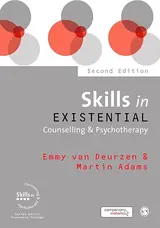 Skills in Existential Counselling & PsychotherapyEmmy van Deurzen, Martin Adams74% match
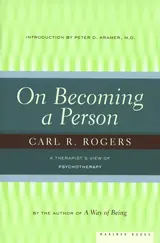 On Becoming a PersonCarl Rogers59% matchAlso shares Humanistic Approaches
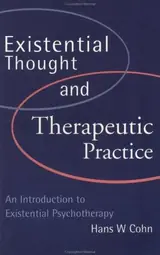 Existential Thought and Therapeutic PracticeHans W Cohn74% match
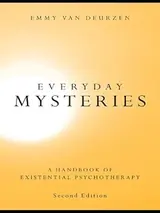 Everyday MysteriesEmmy van Deurzen72% match
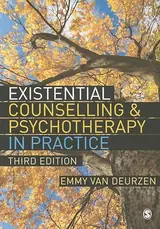 Existential Counselling & Psychotherapy in PracticeEmmy van Deurzen70% match
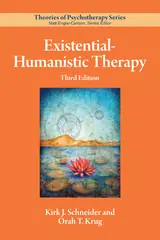 Existential–humanistic TherapyKirk J. Schneider, Orah T. Krug68% matchAlso shares Humanistic Approaches
 Living Your Own LifeSilvia Laengle, Christopher Wurm66% match
 Existential TherapyLaura Barnett, Greg Madison66% matchAlso shares Humanistic Approaches
For younger readers: 10 Minutes to Better Mental Health, Anxiety Relief for Teens, Wide Awake
Start with three books, and this one can be the first.
Members get a new edition every morning: a route out from their books to essays, research and talks, with the reason for each.
Start with this bookAbout this book
Less of an orientation and more a way of understanding the challenges of being human, existential therapy draws on rich and diverse philosophical traditions and ways of viewing the world.¿ Traditionally it has been seen as difficult to summarise and comprehend and the air of mystery surrounding existential ideas has been exacerbated by the dense language often used by philosophers and practitioners.
Continue reading
¿Existential Therapy: 100 Key Points and Techniques¿provides a comprehensive and accessible guide to a fascinating and exciting body of knowledge, and the therapeutic approach it informs. Divided into five parts the topics covered include: Existentialism ¿ inception to present day Theoretical assumptions Existential phenomenological therapy in practice Ethics and existential therapy Bringing it all together Existential Therapy: 100 Key Points and Techniques will be essential reading for all trainee and qualified counsellors, psychotherapists, psychologists and psychiatrists who want to use the wisdom of existential ideas in their work with clients. It will also benefit clients and potential clients who want to find out how existential ideas and existential therapy can help them explore what it means to be alive.
Existential Ideas at Work
A guide to existential therapy’s philosophical roots, assumptions, practice, and ethical questions.
Come here for
- Existentialism, from inception to present day
- Existential phenomenological therapy in practice
Expect
- Theoretical assumptions
- Ethics in existential therapy
Where it sits
| Existential Approaches | 100% |
|---|---|
| Existentialism | 45% |
| Humanistic Approaches | 35% |
Percentages are BookFrontier’s reading of the book.
Publisher categories
- Existential Approaches
- Authors
- Susan Iacovou, Karen Weixel-Dixon
- Publisher
- Taylor and Francis
- Published
- April 18, 2015
- Format
- Print & ebook
- Reading lane
- Existential Approaches