
What Video Games Have to Teach US About Learning and Literacy. Second Edition
Revised and Updated Edition
St. Martin's Press · Print & ebook · December 26, 2007
What Video Games Have to Teach US About Learning and Literacy.
We earn from qualifying purchases.
- Who it’s for
- A serious, curious look at what playing video games can teach about learning and literacy.
- Themes
- Video games and learning, Cognitive development, Identity and meaning
- Genres
- EdTech, Educational Psychology, Games
Nearest books
Matched by what the books are about, then ordered by what their readers also loved.
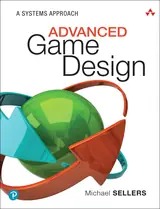 Advanced Game DesignMichael Sellers53% matchShares Games
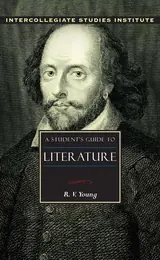 A Student's Guide to LiteratureR. V. Young44% match
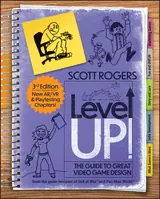 Level Up! the Guide to Great Video Game DesignScott Rogers56% matchShares Games
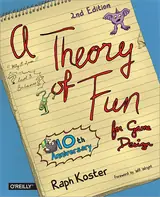 Theory of Fun for Game DesignRaph Koster67% matchShares Games
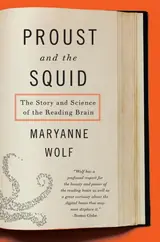 Proust and the SquidMaryanne Wolf44% match
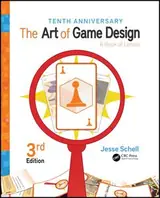 The Art of Game DesignJesse Schell57% match
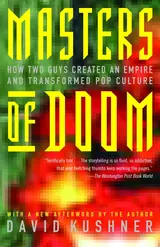 Masters of DoomDavid Kushner48% matchShares Games
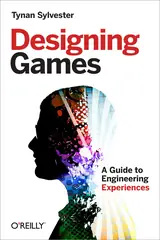 Designing GamesTynan Sylvester55% match
For younger readers: Game On!, The Greatest Stories Ever Played, FGTeeV Saves the World!
Start with three books, and this one can be the first.
Members get a new edition every morning: a route out from their books to essays, research and talks, with the reason for each.
Start with this bookAbout this book
James Paul Gee begins his classic book with "I want to talk about video games--yes, even violent video games--and say some positive things about them." With this simple but explosive statement, one of America's most well-respected educators looks seriously at the good that can come from playing video games.
Continue reading
In this revised edition of What Video Games Have to Teach Us About Learning and Literacy, new games like World of WarCraft and Half Life 2 are evaluated and theories of cognitive development are expanded. Gee looks at major cognitive activities including how individuals develop a sense of identity, how we grasp meaning, how we evaluate and follow a command, pick a role model, and perceive the world.
Games as Learning
A serious, curious look at what playing video games can teach about learning and literacy.
Come here for
- Video games considered through learning, literacy, and cognitive development
- Questions of identity, meaning, and how we follow commands
Expect
- An educator’s positive case for taking games seriously
- Revised discussion of World of Warcraft and Half-Life 2
Where it sits
| Games | 54% |
|---|---|
| EdTech | 41% |
| Educational Psychology | 30% |
Percentages are BookFrontier’s reading of the book.
Publisher categories
- Human-Computer Interaction
- Education Policy
- EdTech
- Authors
- James Paul Gee
- Publisher
- St. Martin's Press
- Published
- December 26, 2007
- Format
- Print & ebook
- Theme
- Video games and learning · Cognitive development · Identity and meaning
- Reading lane
- Human-Computer Interaction